Ever wondered how engineers make sure that shiny new airplane wing, or that intricate car engine part, isn't going to, well, fall apart? Especially when those parts are all sorts of crazy shapes? That's where Non-Destructive Testing (NDT) comes in, and trust me, it's way cooler than it sounds! Think of it as a super-powered doctor's exam for machines.
Basically, NDT is all about checking the health of a part without, you guessed it, destroying it. No sledgehammers involved! It’s like giving your car a check-up – you want to find potential problems *before* they turn into bigger, more expensive (or even dangerous!) headaches. This is especially vital when we're talking about components with complex geometries – those twisty, turny, strangely shaped bits that are vital to many machines.
Why Complex Shapes Need Special Attention
Imagine baking a fancy layer cake with lots of swirls and decorations. Seems simple enough, right? But what if there’s a hidden air bubble inside one of those swirls? You wouldn't know until you cut into it, and that could ruin the whole presentation (and the taste, potentially!). Similarly, complex shapes in engineering are prone to specific types of defects due to manufacturing processes like casting, forging, or welding.
Think about it: sharp corners, deep grooves, and intricate curves can create stress concentrations. These are like little pressure points where cracks can start and grow. If you imagine bending a paperclip repeatedly, it eventually snaps at the point where you bent it the most. That's a stress concentration in action! NDT helps us spot these potential weak points in components with complex geometries before they become critical failures.
The Cool Tools of NDT
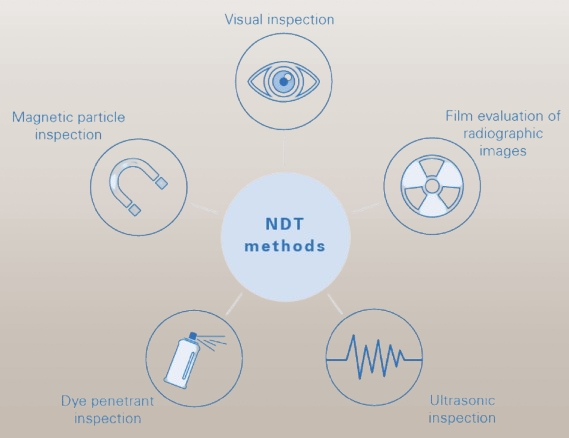
So, how *do* they do it? NDT technicians have a whole arsenal of fascinating tools at their disposal. Here are a few of the most common and how they're adapted for complex shapes:
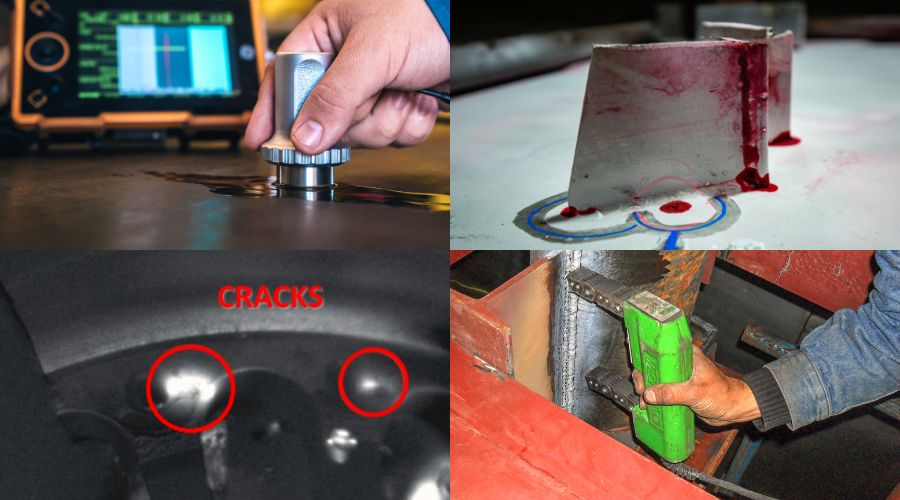
- Visual Testing (VT): Sounds basic, but it's often the first line of defense. A trained eye, sometimes with the help of magnifying glasses, borescopes (tiny cameras on flexible tubes that can snake into hard-to-reach places), or even robotic crawlers, can spot surface defects like cracks, scratches, or corrosion. Think of it as a detective carefully examining a crime scene. For complex shapes, borescopes are a game-changer, allowing inspectors to see inside intricate castings or welded joints.
- Radiographic Testing (RT): This is basically taking X-rays of the part. Just like a doctor looking at your bones, technicians can see internal flaws like porosity (tiny air pockets) or inclusions (foreign materials trapped inside). For complex geometries, advanced techniques like computed tomography (CT scanning) are used. This creates a 3D image of the part, allowing for a thorough inspection from every angle. It’s like giving the part a full-body scan!
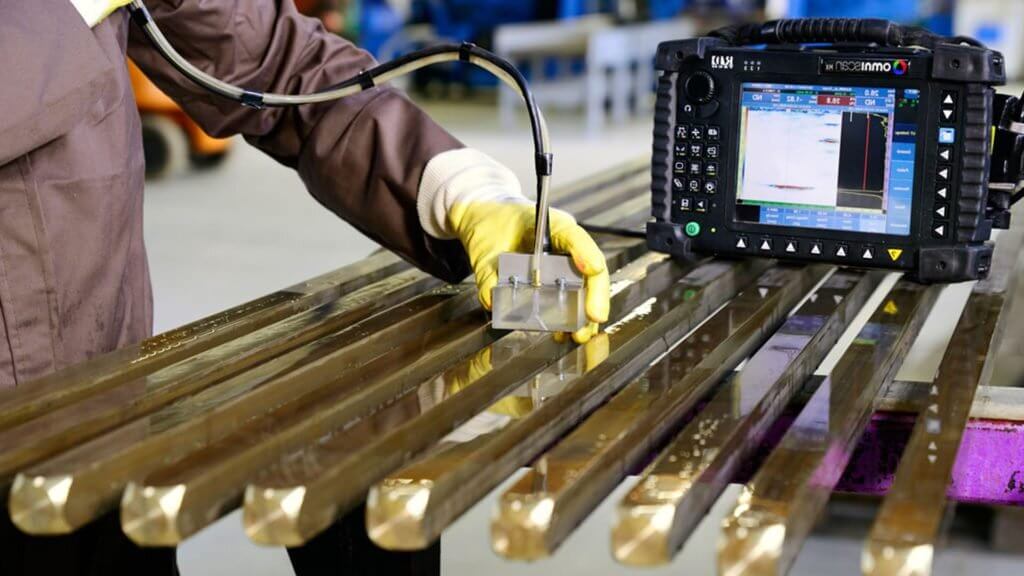
- Ultrasonic Testing (UT): Imagine sending sound waves into the material and listening for echoes. Any change in the material, like a crack or void, will bounce the sound wave back differently. This is particularly useful for detecting subsurface flaws. Phased array UT is a sophisticated technique that allows technicians to steer and focus the ultrasonic beam, making it ideal for inspecting complex shapes with varying thicknesses and curvatures.
- Magnetic Particle Testing (MT): This method is used for detecting surface and near-surface flaws in ferromagnetic materials (like steel). The part is magnetized, and then tiny magnetic particles are applied. Any cracks or defects will interrupt the magnetic field, causing the particles to cluster around them, making the flaws visible. For complex shapes, special yokes and coils are used to ensure proper magnetization in all areas.
- Dye Penetrant Testing (PT): A colorful (literally!) way to find surface cracks. A liquid dye is applied to the surface, allowed to seep into any cracks, and then a developer is applied that draws the dye back out, making the cracks visible to the naked eye. This method is relatively simple but effective for identifying surface-breaking defects, even on parts with complicated surface features.
Why Should You Care?
Okay, so you're probably not an engineer. Why should you care about all this NDT stuff? Because it affects you every single day! Think about:
- Your Car: NDT ensures the safety and reliability of critical components like the engine block, suspension parts, and braking system.
- Air Travel: NDT is vital for inspecting aircraft wings, engines, and landing gear, ensuring safe flights for millions of passengers.
- Bridges and Buildings: NDT helps to identify corrosion, cracks, and other defects in bridges and buildings, preventing catastrophic failures.
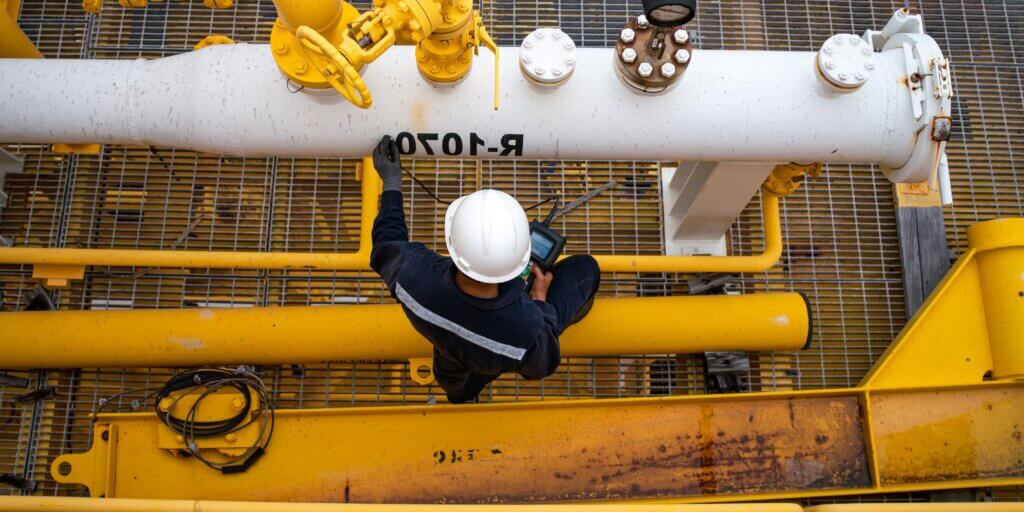
- Power Plants: NDT is used to inspect pipelines, pressure vessels, and other critical components in power plants, ensuring safe and reliable energy production.
Basically, NDT is a silent guardian, ensuring that the things we rely on every day are safe, reliable, and won't suddenly fall apart. It's the reason bridges don't crumble, planes stay in the air, and cars don't spontaneously disassemble on the highway. So, the next time you're soaring through the sky, driving across a bridge, or simply enjoying the comforts of your home, take a moment to appreciate the unsung heroes of NDT who work tirelessly behind the scenes to keep us safe.
And remember, even though we can't *see* it happening, NDT is making sure everything stays together – especially those parts with all the crazy twists and turns!