Ever wondered about the invisible gas that keeps your house toasty warm or helps cook your dinner? We're talking about methane! It might sound like something from a science lab, but methane is actually a huge part of our everyday world, and understanding it can be surprisingly fun and useful. It’s not just a buzzword in environmental discussions; it’s a powerhouse molecule that fuels much of our modern comfort and industry. Let's peel back the layers and see what this fascinating gas is all about and what it’s really used for.
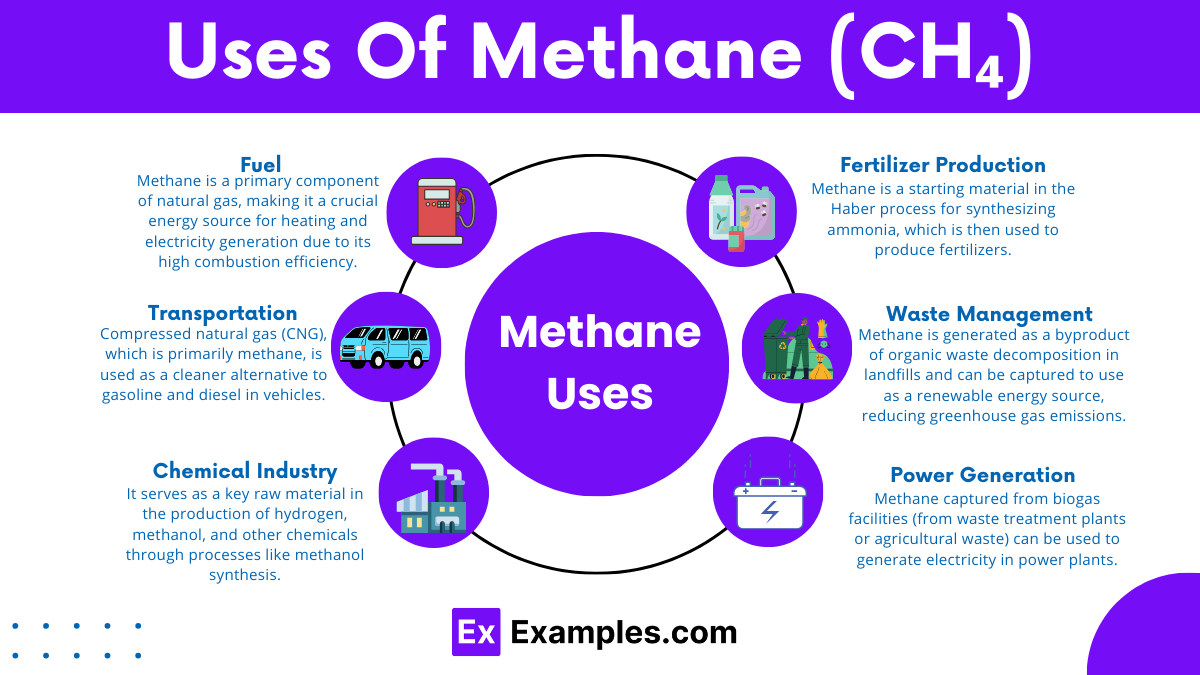
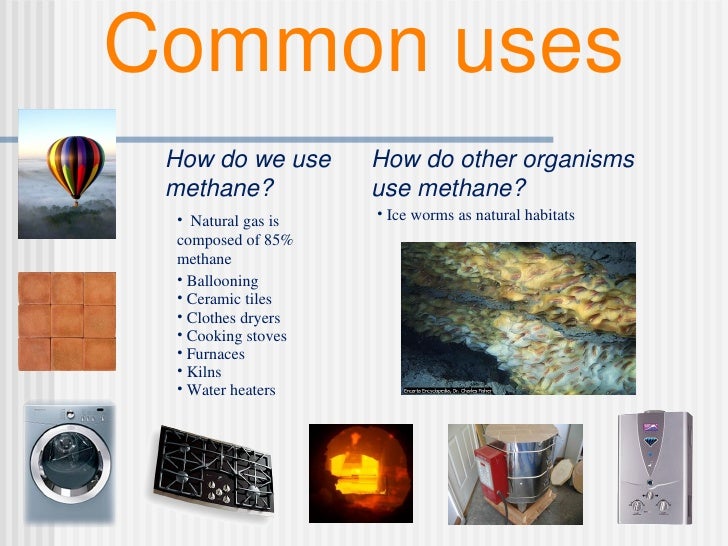
For beginners, the simplest way to think about methane is that it's the primary component of natural gas. When you turn on your gas stove or your furnace kicks in, you're essentially using methane. Its main purpose is to provide energy, and it does so very efficiently. Imagine the cozy warmth on a chilly winter evening or the sizzling sound of dinner cooking – that's often methane at work, bringing comfort and convenience right into our homes.
For families, methane is quite literally the invisible helper that powers many household essentials. It heats your water for those lovely hot showers, warms your home when it's cold outside, and provides the flame for cooking countless delicious meals. Beyond the immediate home, it's also a major fuel source for generating the electricity that lights up your evenings and charges your devices. It’s the behind-the-scenes hero ensuring your family stays comfortable and connected.
And for the more curious hobbyists or anyone interested in how things really work, methane's uses extend far beyond the home. Industrially, it’s a critical feedstock. It's used to produce ammonia, which is essential for making fertilizers that help grow our food. It's also a building block for other important chemicals like methanol, which can be used to create plastics and other materials. Some vehicles, particularly buses and large trucks, even run on compressed natural gas (CNG) or liquefied natural gas (LNG), both primarily methane, offering an alternative to traditional liquid fuels. From chemical production to powering transport, its versatility is impressive!
So, how can you appreciate methane more or even "get started" with understanding it? Firstly, simply be aware of its role. When you use your gas appliances, take a moment to acknowledge the energy they provide. Secondly, for safety, always remember that natural gas (methane) in pipelines has an odor added to it (that "rotten egg" smell) to help you detect leaks. If you ever smell it, take it seriously and follow safety protocols. Finally, embrace energy efficiency! While methane is incredibly useful, using less energy means less impact on the environment. Simple actions like insulating your home, using energy-efficient appliances, or turning down your thermostat slightly can make a big difference.
Methane, far from being just a technical term, is a powerful and incredibly versatile molecule woven into the fabric of our modern lives. It brings us warmth, cooks our food, powers our industries, and even moves our vehicles. Understanding its various uses not only demystifies a key energy source but also highlights the importance of using such resources wisely and responsibly. So, next time you feel that comforting warmth or cook up a storm, give a little nod to the amazing world of methane!