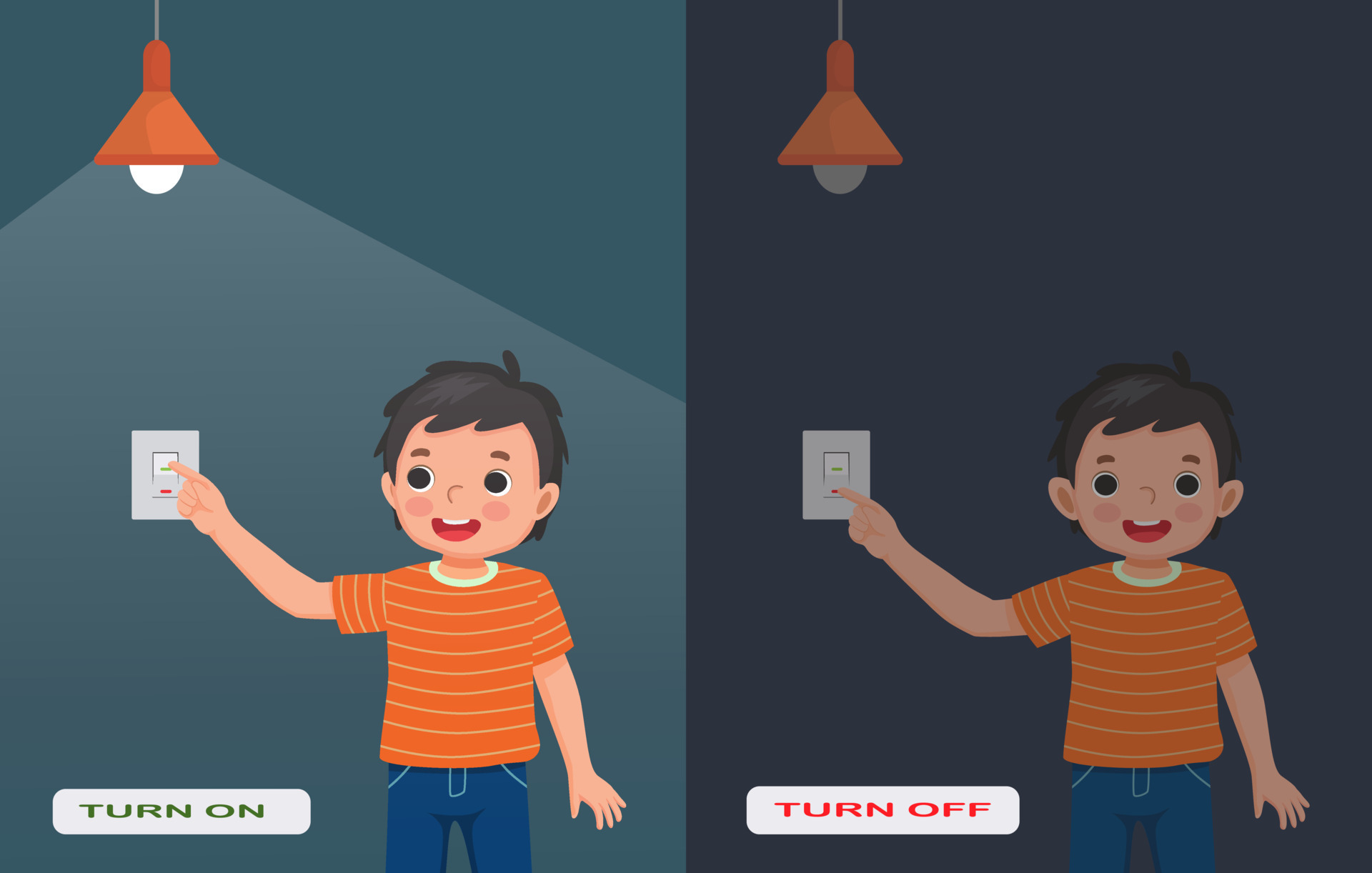
Ever walk into a room, flip a switch, and just like magic, light floods the space? It's such a common, everyday occurrence that we rarely give it a second thought. But take a moment to pause and consider it: lights that turn on and off. This seemingly simple act is actually a fascinating dance of electricity, ingenuity, and convenience that has utterly transformed our world. Far from being mundane, the ability to control light at will is one of humanity's quiet triumphs, making life safer, more productive, and certainly a whole lot more fun.
At its core, the purpose of lights that turn on and off is, well, illumination on demand. No more fumbling in the dark, stubbing toes, or relying solely on daylight hours. The benefits are profound: think of the sheer convenience of navigating your home at night, the safety provided by streetlights or emergency vehicle beacons, or the ability to extend our working, studying, and socializing hours long after the sun has set. Beyond basic vision, controllable light allows for communication (think Morse code or traffic signals), sets a mood (dimmable lamps for a cozy evening), and even plays a crucial role in modern automation, reacting to our presence or schedules.
Examples of this technology are everywhere, woven into the very fabric of our daily lives. From the humble light switch in your kitchen to the intricate blinking patterns of your car’s turn signals, it’s all about controlled light. Traffic lights orchestrate the flow of vehicles, stage lights transform performances, and the screen you’re reading this on is a complex array of lights turning on and off to form images and text. In education, understanding how to make an LED blink is often one of the first exciting steps into electronics and coding. Students learn about circuits, resistance, and the very nature of electricity by making simple lights obey their commands – a truly hands-on way to grasp fundamental scientific principles.
So, how can you explore this everyday marvel? Start by simply observing. Next time you flip a switch, notice the immediate response. Think about the variety of light sources around you – incandescent, fluorescent, LED – and how each operates. For a more hands-on approach, grab a small battery, a simple LED (light-emitting diode), and a couple of wires. You can easily find kits online or at electronics stores. Connecting them to make the LED light up, and then disconnecting to turn it off, is a wonderfully tangible way to grasp basic electrical circuits. If you have smart home devices, play with scheduling lights or linking them to motion sensors. It's a fantastic, low-stakes way to interact with technology that often goes unnoticed, revealing the hidden layers of wonder behind something as simple as a light turning on and off.