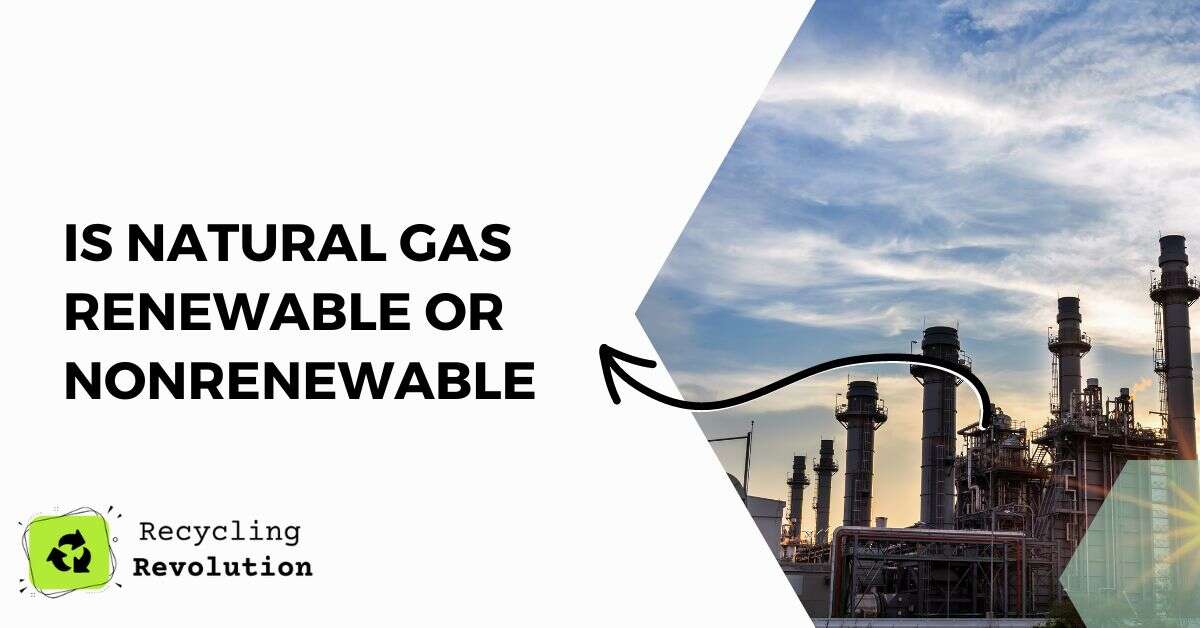
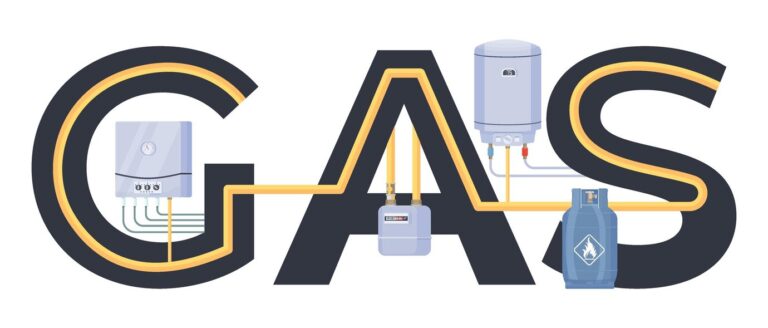
Okay, let's talk about something that powers a lot of our lives, heats our homes, and often gets thrown around in energy debates: natural gas. But here's the million-dollar question (or maybe the trillion-dollar question, considering its impact on the economy!): Is it a renewable resource like sunshine and wind, or is it a nonrenewable resource like oil and coal? Understanding this difference is super important because it affects everything from energy policy to the future of our planet. So, grab a cup of something warm (maybe heated by natural gas!), and let's dive in!
The main purpose of figuring out if natural gas is renewable or nonrenewable is to understand its long-term availability and the environmental consequences of using it. Renewable resources, by their very nature, replenish themselves quickly. Think of trees growing back after being harvested, or the sun shining brightly every day. Nonrenewable resources, on the other hand, are finite. Once we use them up, they're gone (at least on a human timescale!).
So, where does natural gas fit? Well, the (slightly disappointing) truth is that natural gas is classified as a nonrenewable resource. Here's why: natural gas is primarily methane, and it's formed over millions of years from the remains of ancient plants and animals buried deep underground. Think of it like a really, really, really slow cooker, turning organic matter into a valuable fuel. The process takes so long that we're using it far faster than it can ever be replenished. Basically, Mother Nature isn't making it fast enough to keep up with our demands.
Now, you might be thinking, "Okay, that's a bummer. But what are the actual benefits of understanding this?" Glad you asked! Knowing that natural gas is nonrenewable helps us:
- Make informed energy choices: Understanding the limitations of natural gas encourages us to explore and invest in renewable energy sources like solar, wind, and geothermal.
- Develop sustainable energy policies: Governments and businesses can create policies that prioritize energy conservation and the development of renewable energy infrastructure.
- Reduce our environmental impact: Burning natural gas releases greenhouse gasses, contributing to climate change. Recognizing its nonrenewable nature pushes us to find cleaner alternatives.
- Plan for the future: Knowing that natural gas supplies are finite forces us to think about long-term energy security and how we'll power our lives in the decades to come.
In conclusion, while natural gas is a valuable energy source that currently plays a significant role in our energy mix, it's crucial to remember that it's a nonrenewable resource. This understanding empowers us to make smarter choices, support sustainable policies, and work towards a future powered by cleaner, renewable energy sources. So, let's keep the conversation going and keep exploring ways to build a brighter, more sustainable energy future for everyone!