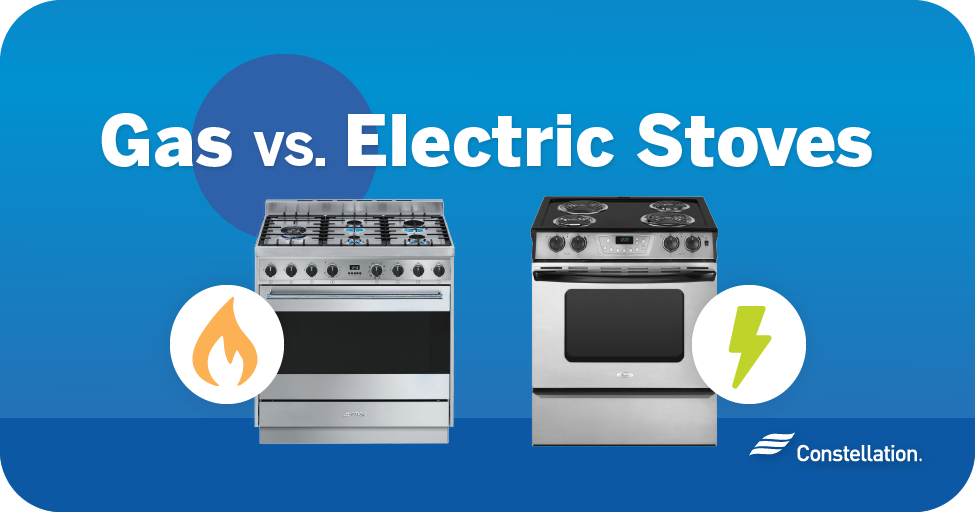
Ever found yourself staring blankly at a stove, wondering, "Is this thing gas or electric?" You're not alone! It might seem like a trivial question, but whether you’re moving into a new place, helping a friend set up, or just trying to understand the appliances in your own home, knowing your stove's fuel source is actually a super handy piece of information. It’s a bit like being a kitchen detective, and trust us, it adds a surprising dash of excitement to your everyday
So, why bother playing stove detective? Beyond simple curiosity, there are some solid benefits to knowing whether your flames are fed by natural gas or electrons. For starters, it impacts your
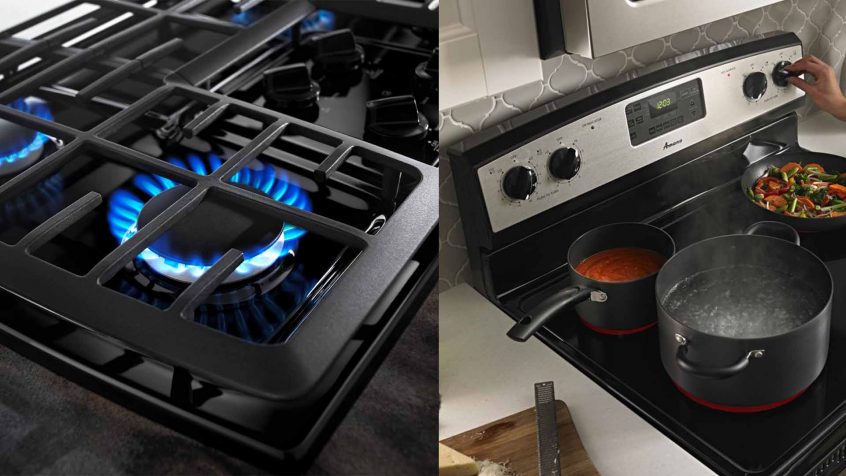
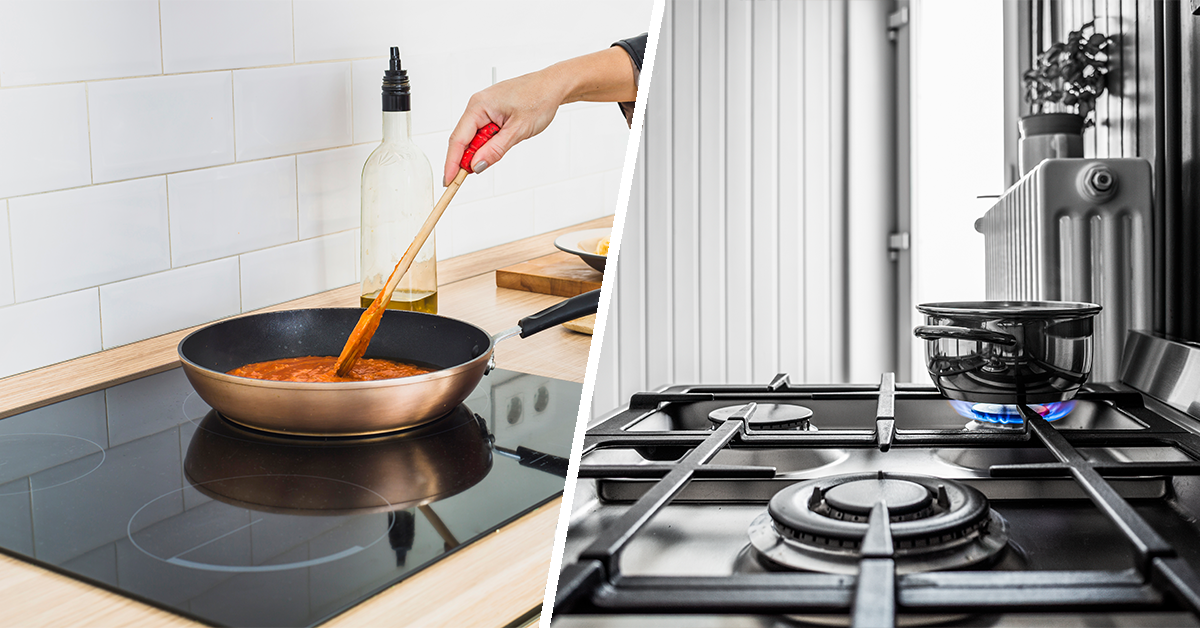
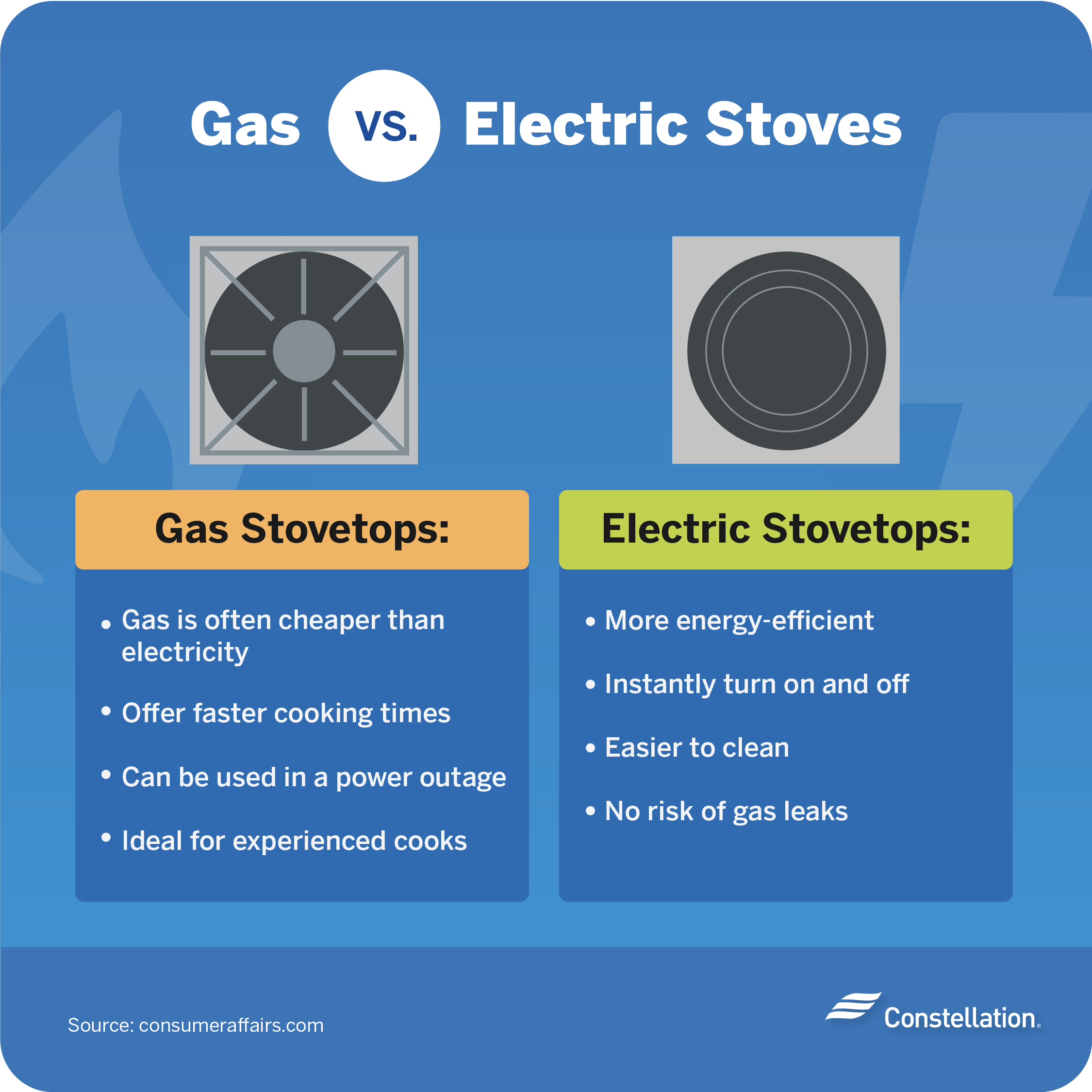
Let's dive into the fun part: identification! If your stove is electric, you'll typically spot one of two main types. The most common modern electric stove features a smooth, flat glass top. Underneath this sleek surface, you might see glowing red coils when the burner is on (radiant electric), or sometimes nothing at all if it’s an
Now, for the gas stoves! These are often easier to identify. The biggest clue? You'll see metal grates covering individual burners. Underneath these grates are the actual burner heads, which typically have small holes where the gas emerges, and an igniter that sparks to light the flame. When you turn a knob on a gas stove, you'll usually hear a distinct
Still unsure? Don't fret! Sometimes appliances are tucked away or disguised. If visual cues aren't enough, check your lease agreement, ask your landlord, or look for an appliance manual if available. Knowing your stove's fuel type is a small detail that can make a big difference in your kitchen confidence. So go ahead, be a kitchen detective, and proudly declare whether your cooking is powered by gas or electric!