:max_bytes(150000):strip_icc()/gas-dryer-vs-electric-dryer-2146251_FINAL-5bbe54b846e0fb00511f28f4.png)
Ever stood in your laundry room, mid-wash, and suddenly thought, "Wait a minute, is my dryer sipping on gas or zapping electricity?" It’s one of those delightful little mysteries of modern homeownership, right? Like wondering why socks disappear or where all the Tupperware lids go. But unlike those eternal riddles, figuring out your dryer's fuel source is actually super easy, and knowing the answer can save you a headache (and perhaps a few bucks) down the line.
Whether you're moving into a new place, wrestling with a stubborn utility bill, or just satisfying a sudden burst of appliance curiosity, understanding your dryer is like learning a secret handshake with your laundry day hero. Let's peel back the curtain, shall we?
The Quick Peek: What's Hiding Behind Your Dryer?
The easiest way to crack this code is to take a peek behind your trusty laundry companion. Now, safety first! If it's tucked away in a tight spot, maybe grab a flashlight and *gently* pull it out a few inches if you can, or just lean in for a good look. What are you searching for?
The Power Cord: This is often your biggest giveaway.
- If your dryer is electric, you’ll typically see a large, thick power cord with either three or four prongs. These prongs are much bigger and beefier than your average lamp plug. Think "industrial strength" rather than "dainty." This chunky cord plugs into a dedicated 240-volt outlet – it’s often a rectangular or square outlet designed specifically for high-power appliances.
- If your dryer is gas, you'll find a more standard-looking 120-volt power cord. It’ll have the familiar two flat prongs and a round ground prong, just like most of your other household electronics. This cord powers the dryer's drum, lights, and igniter – but not the heat itself!
The Gas Line: This is the dead giveaway for a gas unit.
- A gas dryer will have a flexible gas line (often yellow, black, or steel-braided) connecting from a shut-off valve on your wall directly into the back of the dryer. This line is usually about 3/8" or 1/2" in diameter. If you see this, congratulations, you've got a gas-guzzling (in a good way!) machine!
- An electric dryer, unsurprisingly, will have no gas line whatsoever. Just the big power cord.
The Vent Hose: Both types have one, but it's worth noting.
Both gas and electric dryers will have a large, flexible exhaust vent hose (usually silver foil or white plastic) leading to the outside. This is essential for getting rid of hot, moist air and lint. So, don't use this as your primary identifier!
Why Does It Even Matter, Anyway?
Beyond satisfying your inner detective, knowing your dryer's type is actually pretty useful!
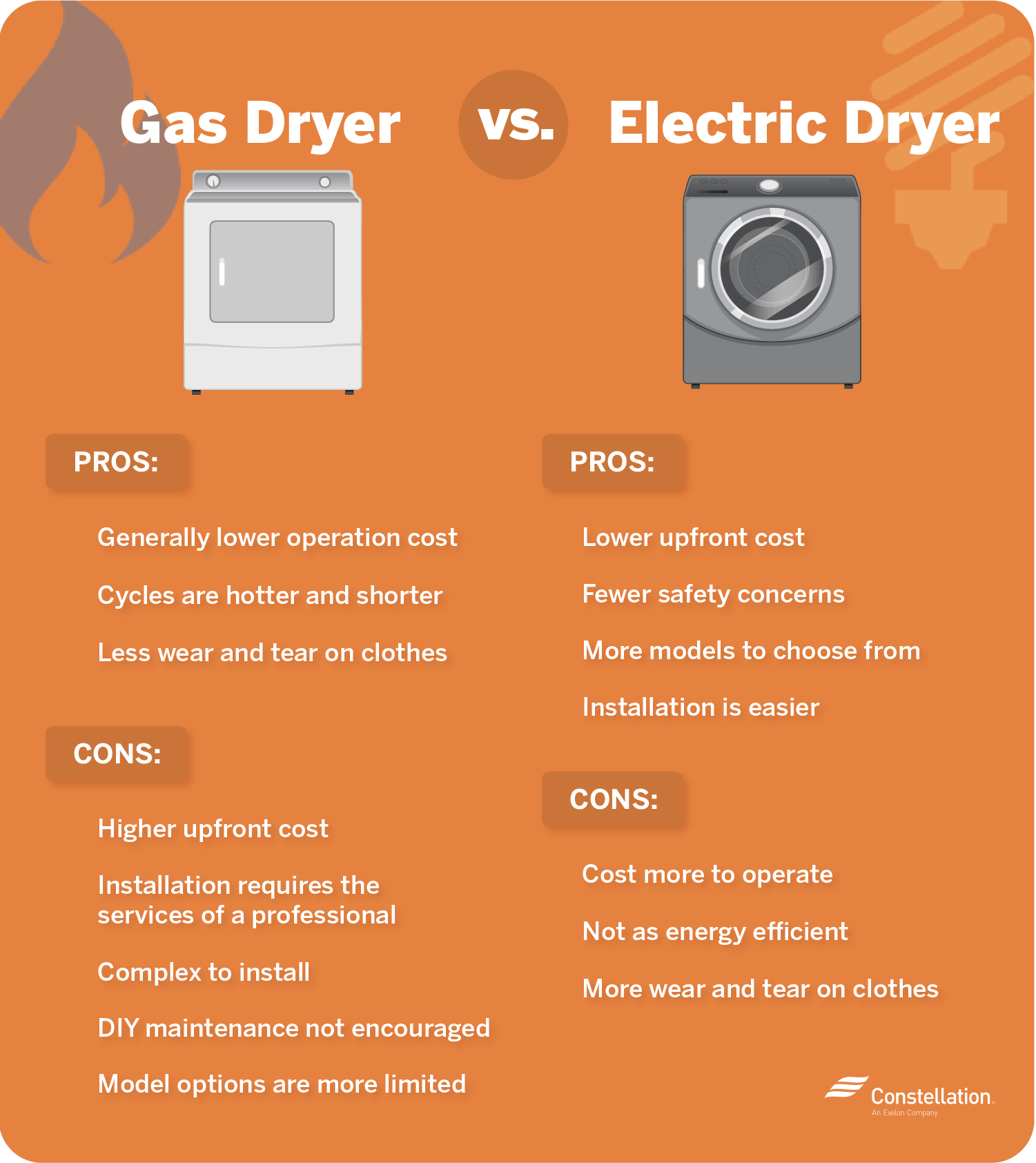
Utility Bills: In many regions, natural gas is a more economical fuel source for heating than electricity. So, if you're keeping an eye on your monthly expenses, a gas dryer *might* be helping you save a few pennies per load compared to an electric one. Of course, energy efficiency ratings play a huge role too!
Moving Day Blues: Imagine buying a new dryer for your dream home, only to realize you bought an electric one and your new place only has gas hookups (or vice versa). *Oof.* Knowing what you have, and what you need, is crucial before making that big purchase. Always double-check your hookups before delivery!
Maintenance & Safety: While both types require regular lint trap cleaning (seriously, do it every load!), gas dryers have additional components like igniters and gas valves that might need professional attention over time. For gas appliances, it’s always a good idea to ensure proper ventilation and check for any unusual odors (a rotten egg smell can indicate a gas leak – evacuate and call your gas company immediately!).
Fun Fact Break!
Did you know the first electric clothes dryer was invented in 1938? Gas dryers followed soon after, offering an alternative for those with gas service. Fast forward to today, and modern dryers, both gas and electric, are incredibly efficient, often featuring moisture sensors that automatically shut off when clothes are dry, saving energy and preventing over-drying (which can damage fabrics).
Still Unsure?
If you've taken a peek and you're still scratching your head (it happens!), here are a couple of other tricks:
- Check your utility bills: If you have a natural gas bill, chances are you have at least one gas appliance.
- Look for the model number: It's usually on a sticker inside the dryer door or on the back. A quick online search of the model number will tell you everything you need to know.
- Ask a professional: If you're truly stumped, a local appliance technician or even your landlord can tell you in a flash.
And there you have it! The mystery solved. Knowing whether your dryer runs on gas or electricity is one of those small, satisfying bits of knowledge that makes you feel a little more connected to the everyday workings of your home. It’s a tiny step towards becoming the master of your domain, one perfectly fluffed load of laundry at a time. Now go forth and dry with confidence!