I’ll never forget my first real snow drive. It was a classic "I'm invincible!" moment in my early twenties, behind the wheel of a slightly rusty, front-wheel-drive sedan. Fresh powder had just blanketed the streets, and I, in my infinite wisdom, thought, "Hey, this looks fun!" Then came the stop sign. I hit the brakes with the same enthusiasm I usually reserved for hitting the snooze button, and suddenly, my trusty (and utterly unprepared) car decided to perform a graceful, albeit terrifying, 360-degree pirouette right in the middle of the intersection. My heart nearly exited my chest through my ear. Lesson learned, folks: snow driving ain't like regular driving. It’s a whole different beast.
That heart-stopping moment made me, and probably makes you, wonder: "Is it *really* safe to drive in snow?" The short answer is… well, it's complicated. It's less of a 'yes' or 'no' and more of a 'maybe, if you know what the heck you're doing and have the right gear.' Let's dive into it, shall we?
The Truth About Snow Safety (Spoiler: It Depends on YOU)
Let's be real, folks. The safety factor isn't just about the snowflakes or the icy patches; it's about you. Your car, your preparation, and most importantly, your driving habits. Think of yourself as a snow ninja – calm, prepared, and ready for anything. Or, you know, just a regular driver who took five minutes to read this. The conditions are only half the battle; your actions make up the other, much bigger, half.
Your Car's Secret Weapon (Or Lack Thereof)
First up, let's talk about the unsung heroes of winter: your tires. If you're rolling around on all-season tires when it's properly snowy, you're essentially wearing roller skates to a figure skating competition. They might *say* "all-season," but in heavy snow and ice, they're more like "all-slide." Their rubber compound hardens in cold temperatures, drastically reducing grip.
For real safety, especially if you live where snow is a regular visitor, invest in a set of winter tires. They're designed with special rubber compounds that remain flexible in freezing temperatures and tread patterns that bite into snow and slush. It's not just about tread depth; it's about the material itself. Seriously, it's a game-changer for traction, braking, and steering. Don't cheap out on these – they're your main point of contact with the road!
Now, I know some of you are thinking, "But I have AWD! I'm practically a tank!" And while all-wheel drive and four-wheel drive systems are fantastic for getting going in snow, they do absolutely nothing for stopping. That's all on your tires and your braking technique. Don't let AWD give you a false sense of security; it's like having super-fast running shoes but then trying to stop on a sheet of ice. You get the picture, right?
The Golden Rules of Snow Driving (Pay Attention!)
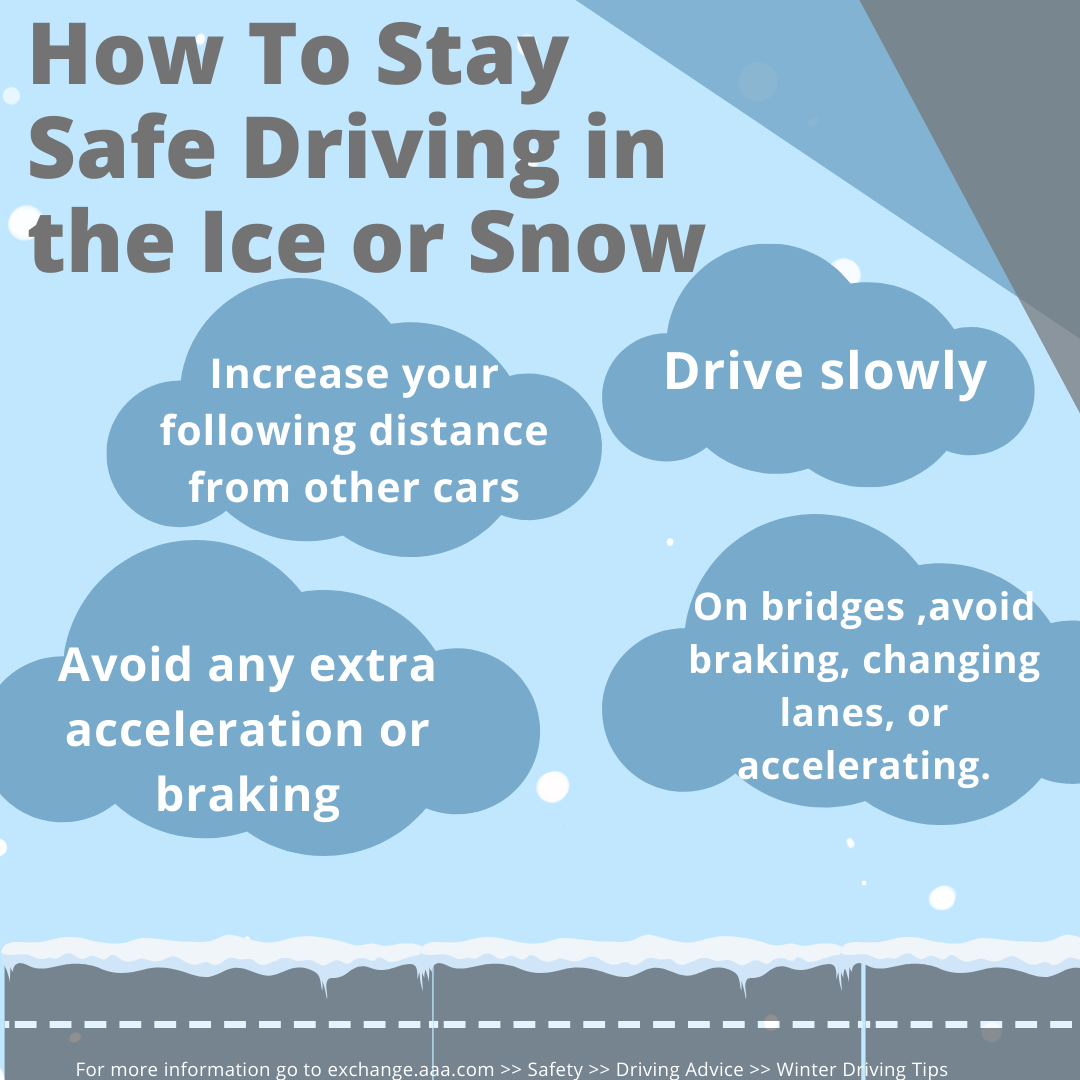
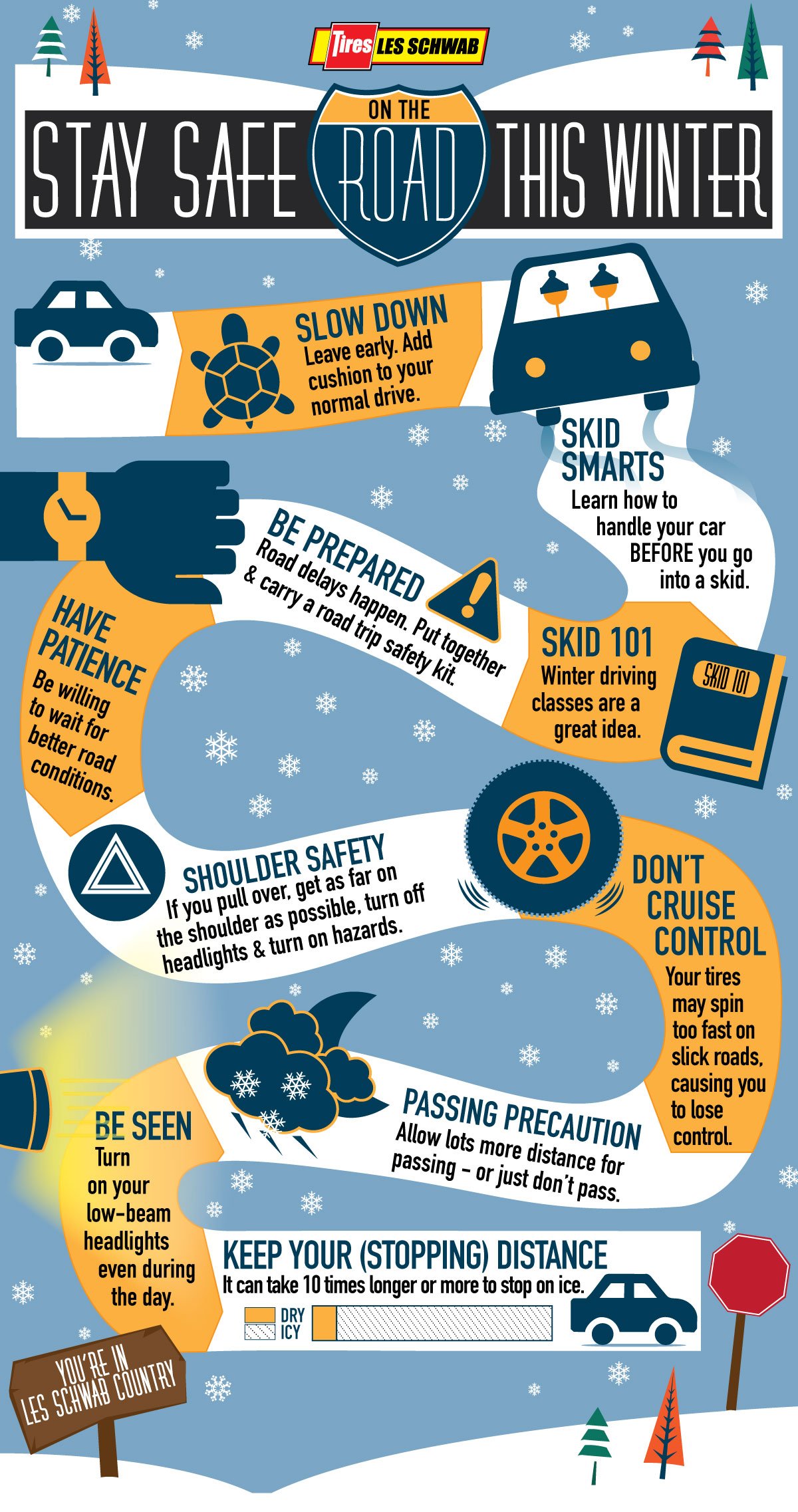
This one's a no-brainer, but it's amazing how many people forget it: slow down. Seriously. Way down. The posted speed limit is for *ideal* conditions, which snow is definitely not. If you feel like you're going too slow, you're probably going just right. Trust me, arriving late is infinitely better than arriving… well, sideways into a snowbank or, worse, another car.
Think of your car as a delicate opera singer – you want smooth, gentle inputs, not sudden, jerky movements.
- Accelerate gently: Ease onto the gas. No jackrabbit starts unless you fancy doing donuts (which, by the way, are only cool in movies or empty parking lots, *not* on public roads).
- Brake gently: Look far ahead and start braking much earlier than usual. If you have ABS, press firmly and steadily; let the system do its pulsating magic. If you don't (bless your vintage heart!), a light pumping action is your friend.
- Steer gently: Small, controlled movements. Whipping the wheel will send you spinning faster than a DJ on triple espresso.
Also, massively increase your following distance. Like, quadruple it. If the car in front suddenly slams on its brakes, you'll need all the room in the world to react and stop without playing bumper cars. You're not racing; you're *surviving* the commute.
See and Be Seen (Literally)
Before you even think about pulling out of the driveway, make sure your car is fully cleared of snow and ice. And I mean *fully*. Don't be that person with a tiny peephole scraped on the windshield, driving around with a snowdrift on your roof just waiting to fly off onto the car behind you (seriously, that's dangerous AND illegal in many places).
Are your wipers working? Check. Defroster on point? Check. Headlights, taillights, turn signals all clear? Check, check, check. Your life (and others') literally depends on your ability to see and be seen. Don't forget those often-neglected side mirrors!
The Wild Card: Other Drivers
Even if *you* are a snow driving guru, you can't control everyone else. There will always be folks who think their SUV is a snowplow, or who just haven't read this incredibly insightful article (their loss, right?). So, be extra vigilant. Assume everyone else is going to do something unpredictable. It's defensive driving, winter edition – your Spidey-sense needs to be tingling at full power.
When in Doubt, Don't Go Out
Sometimes, the absolute safest thing you can do is simply not drive. If the snow is coming down heavy, visibility is zero, or the roads look like an ice rink, ask yourself: Is this trip *really* essential? Can it wait? Work from home if you can. Reschedule that coffee date. There's no shame in admitting defeat to Mother Nature. Your cozy couch is a lot safer than a ditch, trust me. Plus, hot chocolate. Just saying.
So, is it safe to drive in snow? It absolutely can be, if you're smart, prepared, and respect the conditions. It's less about courage and more about common sense. Get those winter tires, slow down, be gentle with your controls, clear your car completely, and for goodness sake, stay home if it's truly nasty out there. Your future self (and your car's body panels) will thank you. Now go forth, be safe, and maybe tell a friend about those winter tires, okay? They might just save a pirouette.