So, you're at a party, nursing a lukewarm soda, when someone asks, "What do you do?" You proudly announce, "I'm an engineer!" Suddenly, three people chime in with, "Oh, electrical!" "No, electronics!" "Wait, are those the same thing?" Cue the awkward silence and the internal monologue questioning your entire life choices.
Let's be honest, even engineers sometimes get a little tongue-tied explaining the difference between Electrical Engineering (EE) and Electronics Engineering (ECE). It's like trying to explain the nuances between a poodle and a golden retriever to someone who only sees "dog." Both are undeniably canines, lovable, and capable of chewing your favorite shoes, but there are… differences.
The Granddaddy: Electrical Engineering
Think of Electrical Engineering as the granddaddy of the two. It's the older, more established field that deals with the big stuff: power generation, transmission, and distribution. We're talking massive power plants, the humming transformers you see on utility poles, and the wiring that brings electricity to your entire neighborhood. Basically, without electrical engineers, you wouldn't be binge-watching your favorite shows.
Imagine a lightning strike. That's EE's territory. Designing a system to safely channel that raw power, protect our homes, and maybe even harness it (for, you know, powering our time machines, obviously) is what these engineers do. They're the masters of the electron flow on a grand scale.
"Electrical Engineering is about making sure the lights stay on, the cities keep running, and the world doesn't plunge into darkness," says Professor Eleanor Vance, an electrical engineering professor with a notorious love for puns.
The Cool Kid: Electronics Engineering
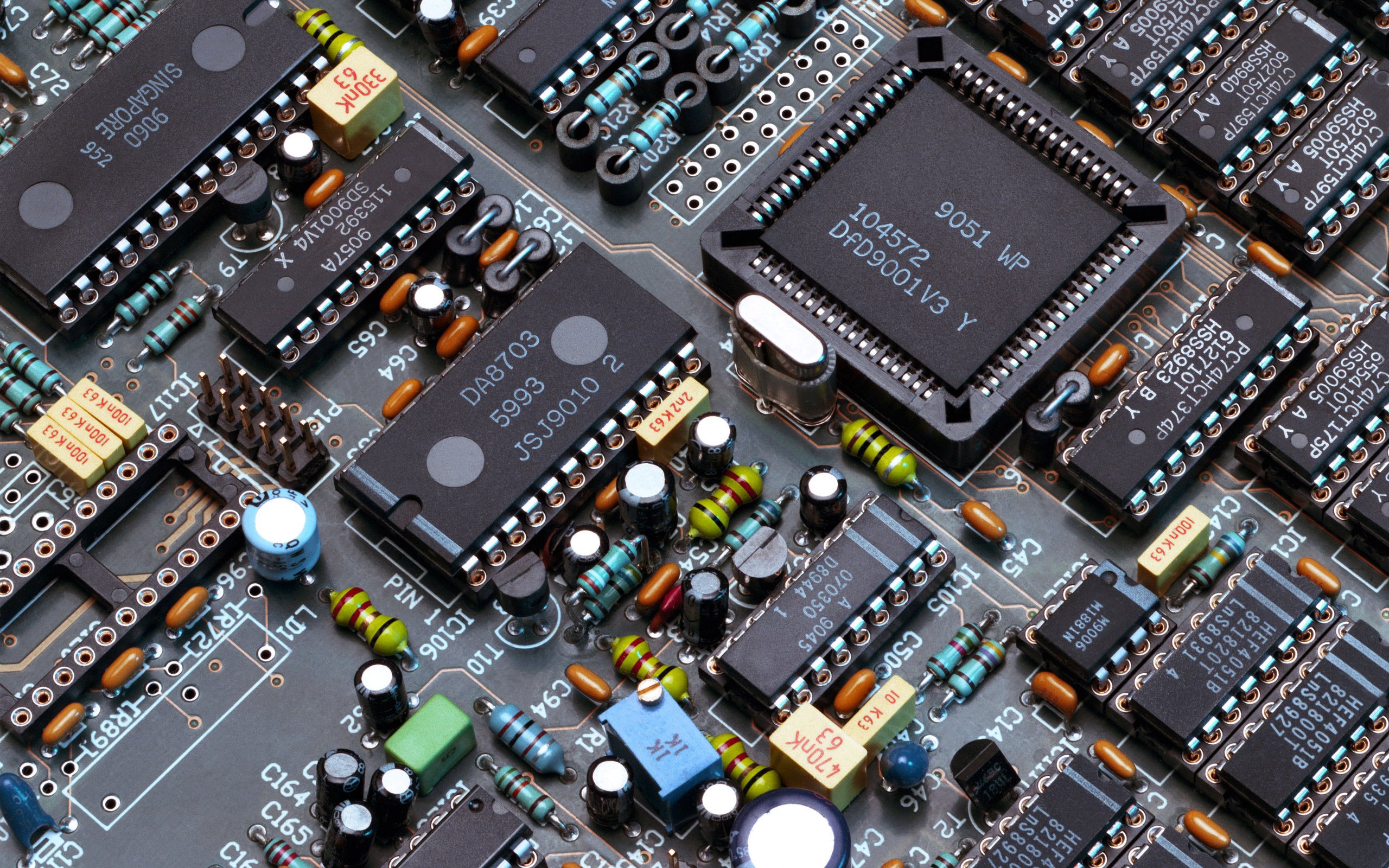
Now, along comes Electronics Engineering. Think of them as the cool kids, the younger sibling who's all about the gadgets and gizmos. They work with smaller circuits, transistors, microchips, and all those tiny components that make our smartphones, computers, and smart toasters tick. They're the masters of miniaturization, squeezing immense power into incredibly small packages.
Consider your phone. It’s a marvel of electronics engineering. From the touch screen to the processor to the camera, every single component is a testament to the ingenuity of these engineers. They design and build the brains of our modern world, making things smarter, faster, and more efficient.
One heartwarming aspect of electronics engineering is its role in creating assistive technologies. Think hearing aids that restore a sense, prosthetic limbs controlled by thought, or even simple tools that help people with disabilities navigate the digital world. They're using their skills to make a real difference in people's lives.
So, Are They the Same? The Punchline
Here's the fun part. The truth is, the lines between Electrical Engineering and Electronics Engineering are becoming increasingly blurred. They're cousins, really. Many universities even offer combined programs, recognizing the overlap and the need for engineers who understand both the big picture and the nitty-gritty details.
A modern electrical engineer might be designing a smart grid that integrates renewable energy sources, while an electronics engineer might be developing the microchips that control that grid. They're working together, using their unique skills to solve complex problems.
Next time you're at a party and someone asks about the difference, just smile and say, "Think of it like this: Electrical engineers bring the power to your house, and electronics engineers make sure that power can play your favorite music." Then, casually sip your soda and bask in the glory of your newfound wisdom.