There's a quiet hum underlying our modern lives, a constant, invisible flow that powers everything from our morning coffee makers to the late-night Netflix binge. It's electricity, of course, and while we happily plug things in without a second thought, there's a fascinating world of engineering humming behind those wall outlets. Ever paused to wonder about the *kind* of electrical juice coursing through your home's veins? It’s a question that sparks curiosity for many, leading to a deeper appreciation for the silent workhorse that keeps our world lit and lively.
The magic of electricity, whether you’re charging your phone, blending a smoothie, or simply enjoying the glow of a reading lamp, is that it effortlessly delivers energy right where you need it. This ubiquitous power makes our lives incredibly convenient, safe, and productive. Without it, our homes would be dim, our food wouldn't keep, and our communication would grind to a halt. It’s the invisible backbone of everyday comfort, allowing us to focus on living rather than laboring, and connecting us across vast distances.
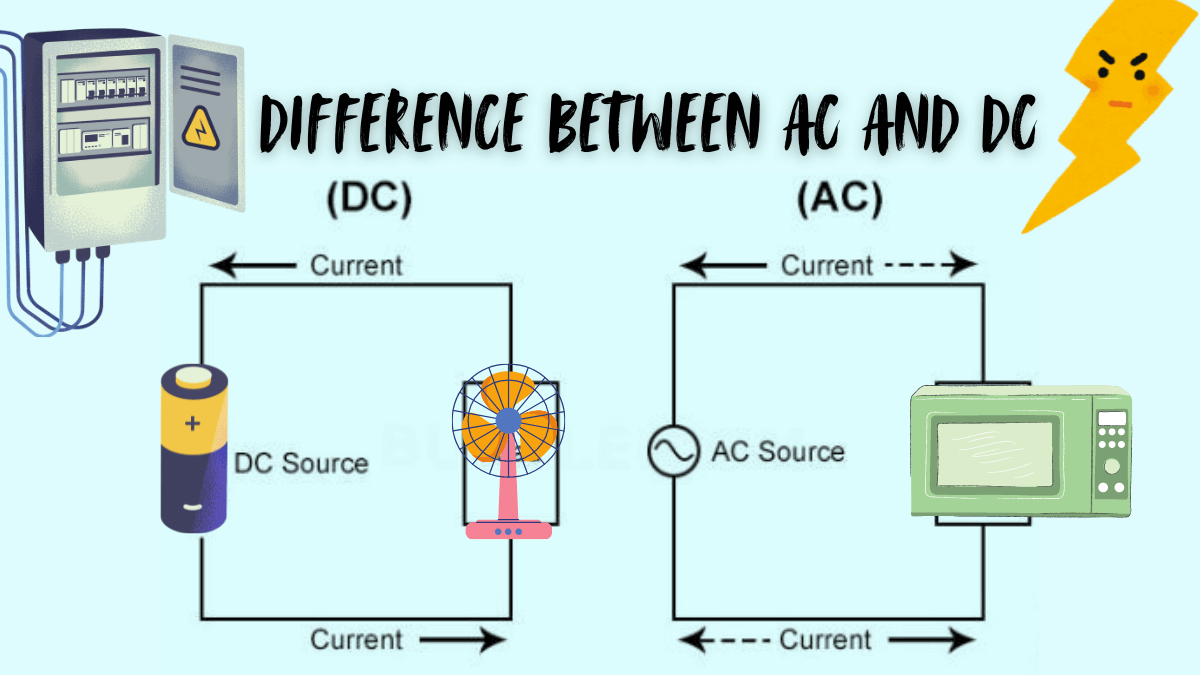
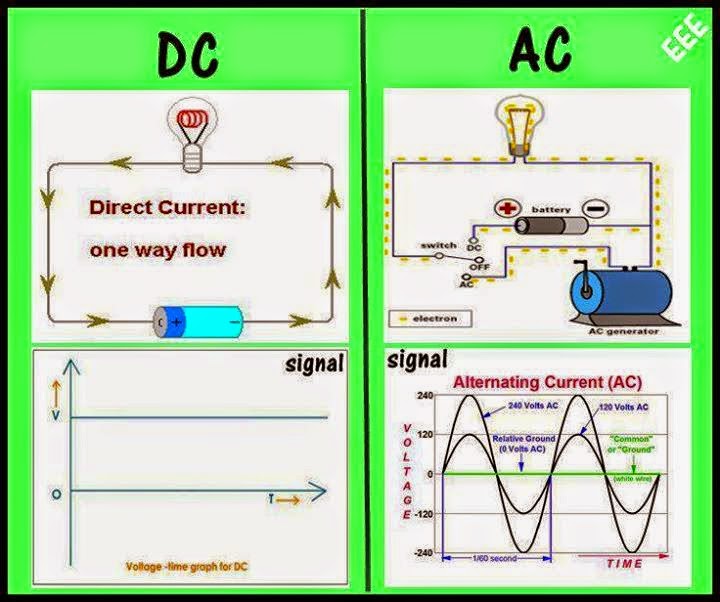
So, let's get right to it: Is your house AC or DC voltage? The answer, for virtually every modern home connected to a power grid, is overwhelmingly Alternating Current (AC) voltage. Think of AC electricity like waves in the ocean, constantly changing direction, flowing back and forth. This characteristic is what makes AC incredibly efficient for transmitting electricity over long distances from power plants to your home. It’s relatively easy to "step up" the voltage for long-haul travel with transformers (reducing energy loss) and then "step down" to a safer, usable voltage for residential areas. Direct Current (DC) voltage, on the other hand, flows steadily in one direction, like a river. While crucial for many devices, it's less practical for grid-scale distribution.
You encounter AC directly with most of your large household appliances: your refrigerator, washing machine, oven, and lighting fixtures all plug into those AC outlets. However, the world isn't purely AC. Many of your favorite gadgets, like your smartphone, laptop, and tablet, actually run on DC voltage. So, how do they get their power? That bulky little box on your charger or power cord? That’s a rectifier or power adapter, whose primary job is to convert the AC from your wall outlet into the DC that your device needs. It’s a beautiful dance between the two currents, ensuring everything gets the right kind of power.
To truly "enjoy" this invisible powerhouse more effectively, a little understanding goes a long way. First and foremost: safety is paramount. Always respect electricity, avoid overloaded outlets, and understand where your circuit breakers are. Secondly, become a conscious consumer. Knowing that power conversion loses some energy can encourage you to unplug chargers when not in use. Look for Energy Star rated appliances, which are designed to use both AC and DC more efficiently. Appreciate the engineering behind your devices; that slim phone wouldn't exist without miniature converters making AC to DC magic. Finally, consider smart home technology – smart plugs can monitor energy usage, giving you a tangible sense of how much power your various AC and converted-DC devices are drawing. Understanding the current that flows through your home not only satisfies your curiosity but also empowers you to use electricity more safely, efficiently, and intelligently.