Imagine a cozy evening at home. The aroma of dinner wafts from the kitchen, where the oven hums contentedly. In the living room, your favorite show plays on the TV, its screen glowing softly. You reach for your phone, noticing the battery icon is dangerously low, and instinctively plug it into its charger.
Every single one of these moments, and countless others, relies on a constant, invisible flow of energy. We plug things into the wall without a second thought, trusting the power to be there. But have you ever paused to wonder about the very nature of that power? Is it AC or DC current? It’s a question that might seem technical, yet its answer unveils a surprisingly delightful ballet of electricity happening right under your nose.
The Big Reveal: Mostly AC!
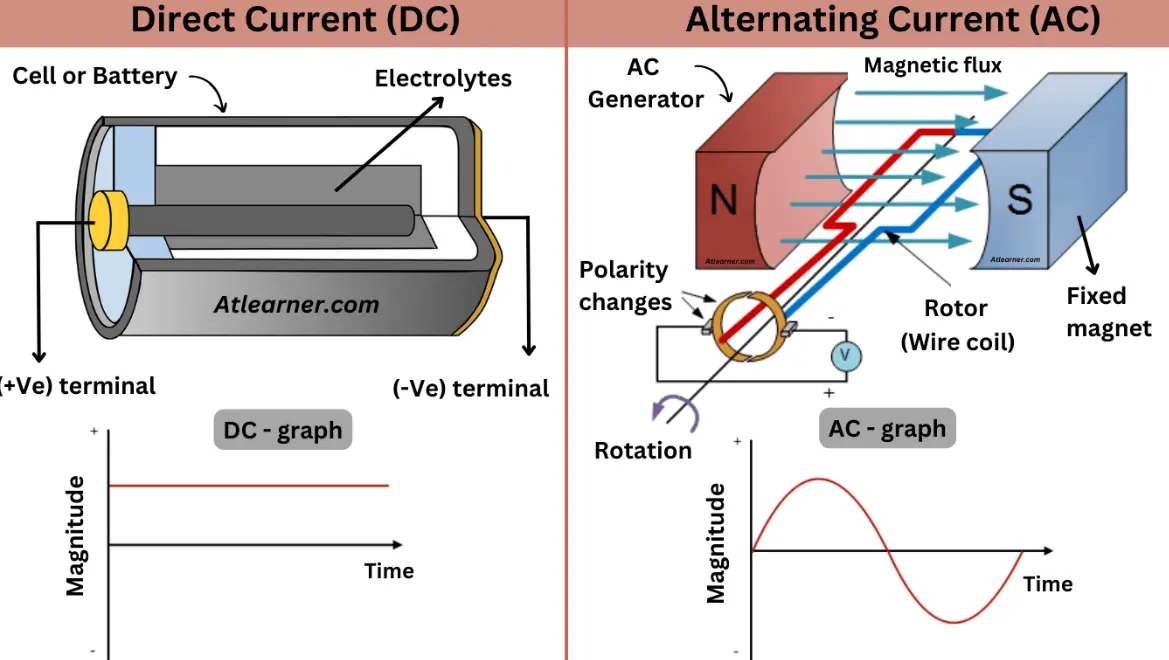
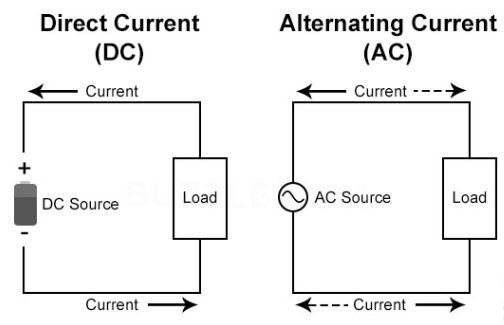
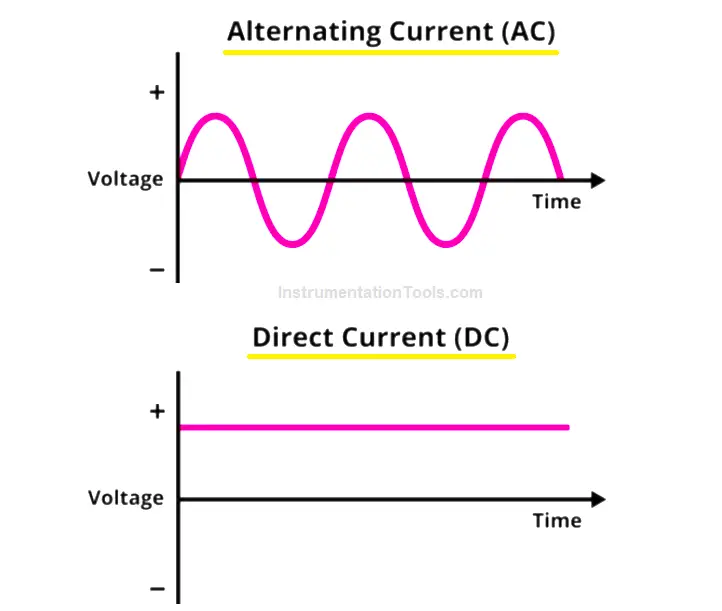
Let's cut right to the chase with a big, bold reveal: Your house, for the most part, is powered by AC current. AC stands for Alternating Current. Think of it like a playful pendulum, swinging back and forth, or a gentle wave lapping at the shore.
This "alternating" motion makes it incredibly efficient for sending electricity over long distances. It's the muscle behind your major appliances—the whirring refrigerator, the powerful washing machine, the bright overhead lights, and that ever-so-useful toaster that transforms bread into golden perfection.
The electricity streaming from the power plant to your home, through the wires in your walls, and into most of your hungry wall-plugged gadgets is indeed AC. It’s the workhorse, the reliable giant that keeps your household humming.
But Wait! There's a Plot Twist...
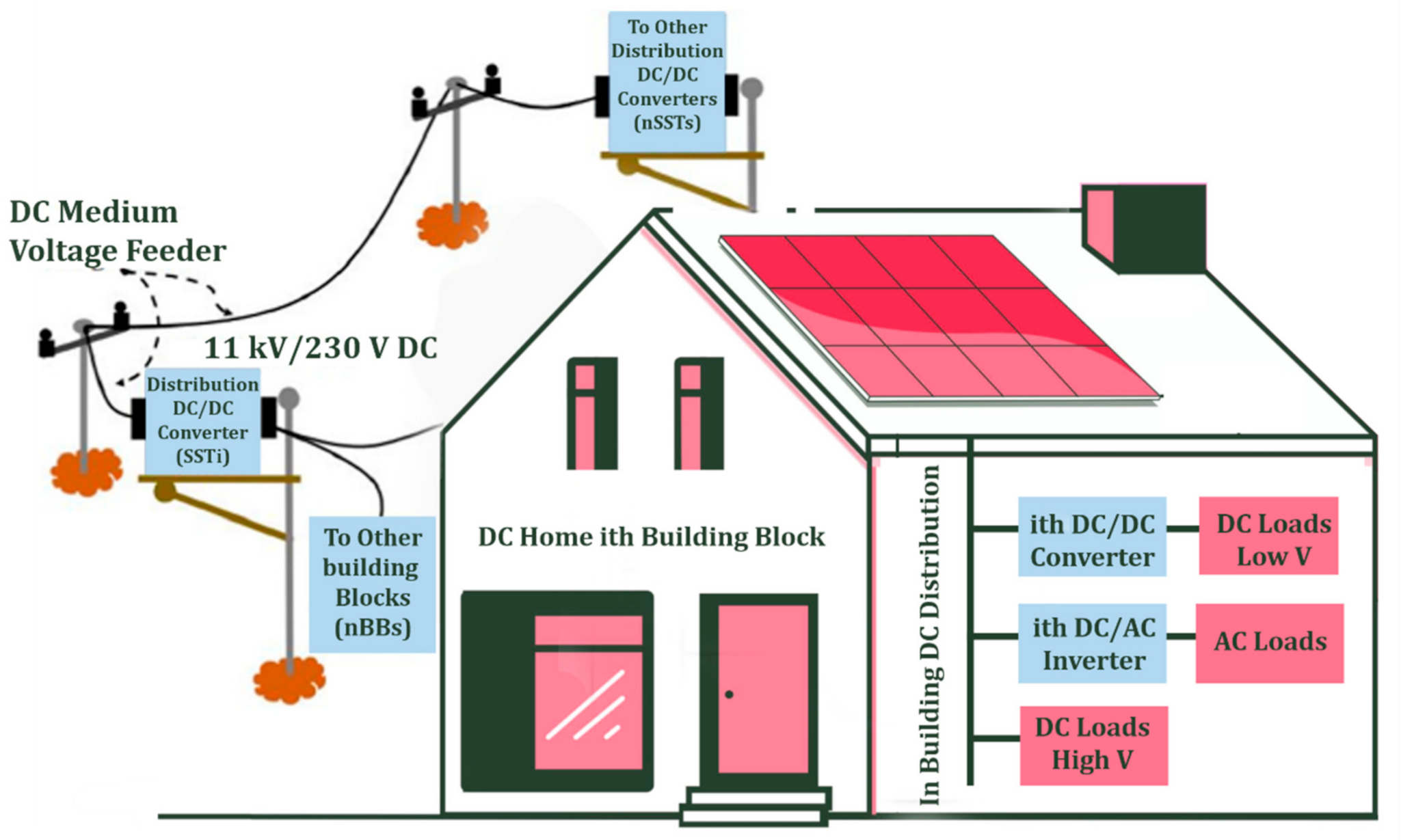
Just when you thought you had it all figured out, here comes the fascinating twist: while your house *delivers* AC, many of the beloved devices *within* your house actually prefer DC current! DC stands for Direct Current.
Unlike the back-and-forth swing of AC, DC is a steady, one-way street, like a calm river flowing consistently in a single direction. It's perfect for delicate electronics that need a stable, unwavering source of power.
"It's like the house speaks one language, but many of its inhabitants speak another, and they need a friendly translator to communicate."
This is where the magic, and a touch of ingenious engineering, truly begins.
Meet the Unsung Heroes: The Little Black Boxes
So, how do your smart devices, which crave that steady DC flow, get along in an AC-powered home? The answer lies in those often-overlooked little black boxes, the wall warts, and the power bricks that accompany so many of our gadgets.
These unassuming devices are the true unsung heroes of our modern homes. They are the brilliant translators, the quiet magicians. When you plug in your phone charger, laptop power cord, or even the adapter for your Wi-Fi router, you’re not just plugging in; you’re initiating a miniature, powerful transformation.
Inside these chargers and adapters, a clever circuit takes the incoming AC current from your wall outlet and converts it into the smooth, steady DC current that your device needs. It’s a tiny powerhouse, ensuring perfect harmony between your home's main power grid and your beloved electronics.
A Day in the Life of DC: Our Portable Pals
Think about all the devices that benefit from this convenient conversion. Your smartphone, a constant companion, runs on DC. So does your sleek laptop, your vibrant tablet, and even those fun little LED string lights that add a festive glow.
What about your TV remote control? Or your child’s favorite battery-operated toy car? All DC! These devices thrive on the consistent energy that DC provides, making them portable, precise, and wonderfully efficient.
Even some of the newer, energy-efficient household appliances, like certain smart light bulbs or fancy kitchen gadgets, often convert the incoming AC to DC internally to power their sophisticated electronics. It's a testament to the versatility and precision that DC offers.
The Heartwarming Connection
This hidden interplay of AC and DC is more than just technical jargon; it's what makes so much of our daily comfort and connection possible. That fully charged phone means a call to a loved one, or a quick video chat with a faraway friend.
Your laptop, powered by its trusty adapter, allows you to work, learn, and explore new worlds from the comfort of your couch. The small DC current flowing to your bedside lamp allows for late-night reading, creating a peaceful moment of solitude.
It’s a story of collaboration, not conflict. The robust, far-reaching power of AC laying the groundwork, while the precise, delicate touch of DC brings our personal gadgets to life.
A Symphony of Power
So, the next time you plug something into the wall, take a moment to appreciate the incredible, invisible symphony of electricity playing out in your home. Your house is a grand concert hall for AC current, but within its walls, many small, intimate performances of DC current are happening, brought to life by those clever little transformers.
It’s a subtle reminder of the wonders of engineering that surround us, making our lives easier, more connected, and filled with light—literally and figuratively. The simple question of AC or DC in a house reveals a deeper, more delightful truth: it's a beautiful blend of both, working in perfect harmony.