Okay, so picture this: I'm in my kitchen, minding my own business, probably trying to convince myself that burnt toast is a *culinary experience* rather than a failure. Suddenly, this faint, unmistakable whiff hits me. You know the one, right? That slightly sulphuric, vaguely rotten-egg smell that your brain instantly flags as "Wait a minute, that's not dinner." My first thought, and I kid you not, was, "Did my neighbor Brenda finally attempt that durian fruit smoothie recipe she's been threatening me with?" Brenda, bless her cotton socks, is an adventurous cook.
But then, the smell intensified. It wasn't durian. It wasn't even Brenda's experimental kimchi. It was something far more sinister, far more... well, frankly, dangerous. It was gas. And suddenly, my calm, burnt-toast-analyzing brain went from zero to full-on DEFCON 1 panic mode. "I smell gas in my apartment!" I thought, probably a little too loudly for an empty room.
And let's be real, you've probably been there too, or at least had a moment of intense fear about it. That peculiar, pungent odor isn't just unpleasant; it's a giant, flashing neon sign screaming "POTENTIAL EXPLOSION HAZARD!" It's enough to make anyone's heart do a little jig, right? So, what do you do when that tell-tale stink permeates your living space? Because, trust me, this isn't the time for a casual "Hmm, I wonder what that is?" shrug.
First Things First: Don't Panic (But Seriously, Do Something!)
Alright, so the first instinct might be to run around like a headless chicken. Resist it! Take a deep breath (preferably not one laden with gas, obviously). Your immediate actions are critical. This isn't just about inconvenience; it's about safety and potentially saving lives, including your own. No pressure, though!
Your Action Plan: Get Out!
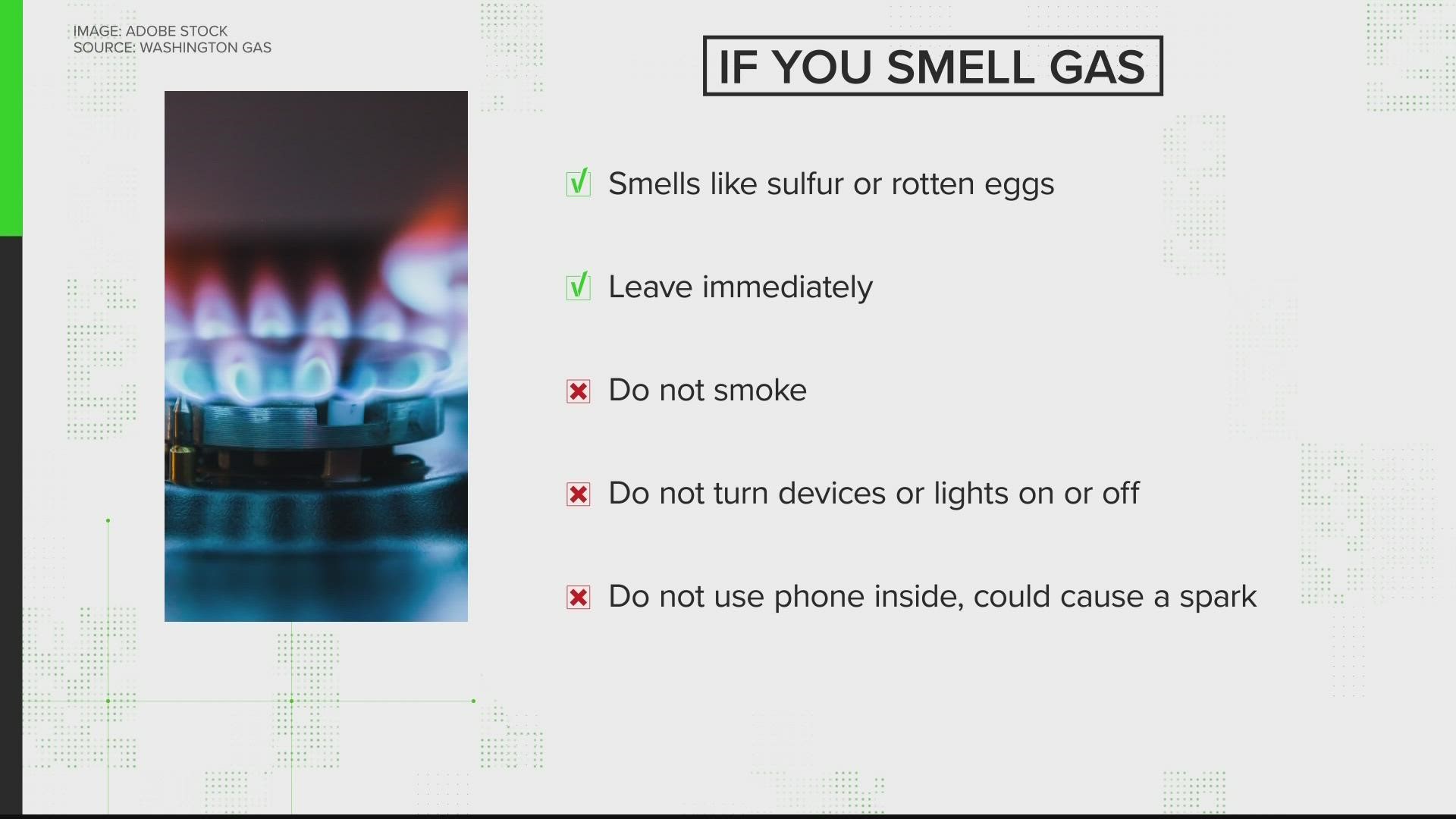
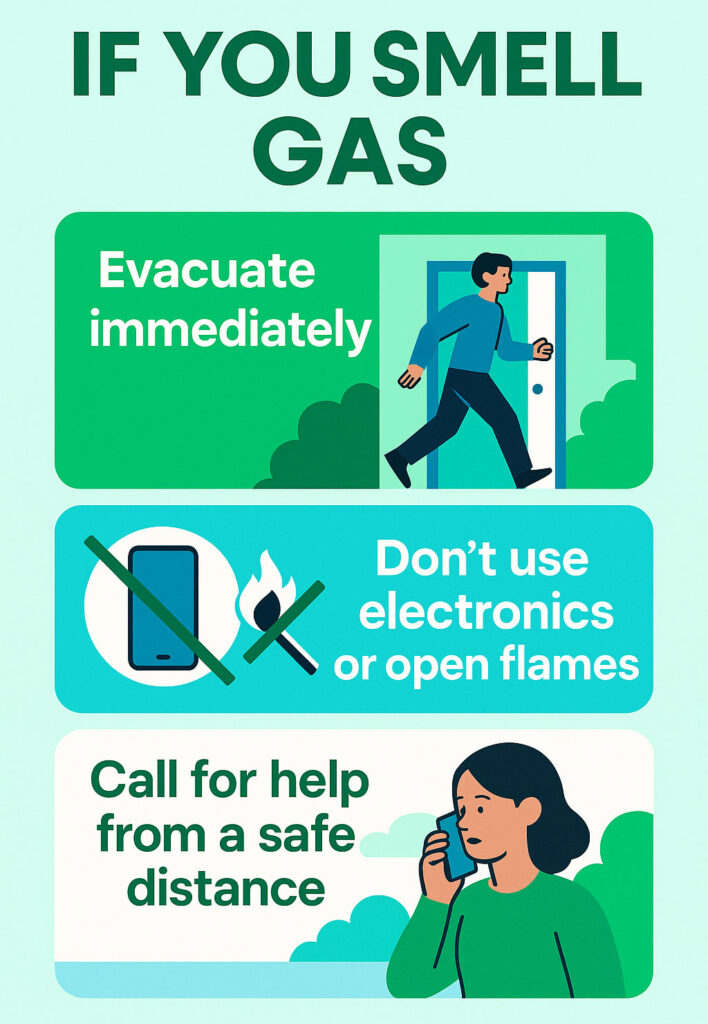
This is the big one, folks. Your absolute priority is to evacuate immediately. Don't even think about grabbing your phone, your keys, or that half-eaten bag of chips. Just go. Seriously. Every second counts when there's a potential gas leak.
But wait, there's a tiny bit more nuance to that "just go" command:
- DO NOT Flip Switches or Operate Appliances: This is huge. A tiny spark from turning on a light, switching on a fan, or even unplugging something can ignite accumulated gas. So, hands off the light switches, people!
- DO NOT Use Your Phone Inside: Again, potential spark risk. Get outside, then make your calls.
- DO Open Windows and Doors (If You Can Do So Quickly & Safely): If it's literally on your way out the door and doesn't delay your evacuation, a quick pop of a window can help ventilate. But don't linger!
- DO Warn Others: If you're in an apartment building, give a shout to your neighbors as you're making your quick exit. A simple "Gas smell! Get out!" should do the trick.
Once you're safely outside, at a significant distance from the building – maybe across the street, in the park, or at Brenda's apartment if she promises no durian – then it's time to make some calls.
Who You Gonna Call?
No, not ghostbusters. Although, if ghosts caused gas leaks, that would be a funnier story. You need to contact the real professionals:
- Your Gas Company's Emergency Line: Every gas company has a dedicated emergency number. This is usually the first call. They are equipped to handle gas leaks and can dispatch a crew super fast. Their number is often on your bill or readily available online.
- 911 (or Your Local Emergency Services): If you can't reach the gas company immediately, or if the smell is overwhelming and you feel there's imminent danger, call 911. They can coordinate with the gas company and other emergency responders.
- Your Landlord or Building Management: Once the immediate danger is being addressed by the pros, let your landlord know. They need to be aware of the situation and any potential damage or required repairs.
The "Why" Behind the Worry: It's More Than Just a Bad Smell
Curious about why natural gas smells like rotten eggs? Fun fact: natural gas itself is odorless! That distinct smell is actually mercaptan, an additive put in by gas companies specifically so we can detect leaks. Pretty clever, right?
But the dangers are real. Gas leaks can lead to:
- Explosions: If enough gas accumulates in an enclosed space and finds an ignition source, well, you can imagine. Not pretty.
- Fires: Similar to explosions, but perhaps a less dramatic, more localized ignition. Still, destructive.
- Asphyxiation: While natural gas isn't toxic like carbon monoxide, it can displace oxygen in a room. In extremely high concentrations, this can lead to suffocation.
And speaking of carbon monoxide (CO), while natural gas isn't CO, a faulty gas appliance (like a furnace or water heater) that's not burning gas correctly can produce CO. So, if you're ever feeling dizzy, nauseous, or generally unwell and suspect a leak, think CO poisoning too. A CO detector is a smart investment, just saying!
Final Thoughts: Better Safe Than Sorry
Smelling gas in your apartment is one of those situations where your gut feeling is usually right. Don't second-guess yourself, don't try to be a DIY hero, and certainly don't ignore it. Your nose is your first and best line of defense here. So, if your nostrils ever pick up that distinct, unsettling odor, remember Brenda's hypothetical durian, but then swiftly move on to your actual action plan. Get out, call for help, and stay safe, my friends!