
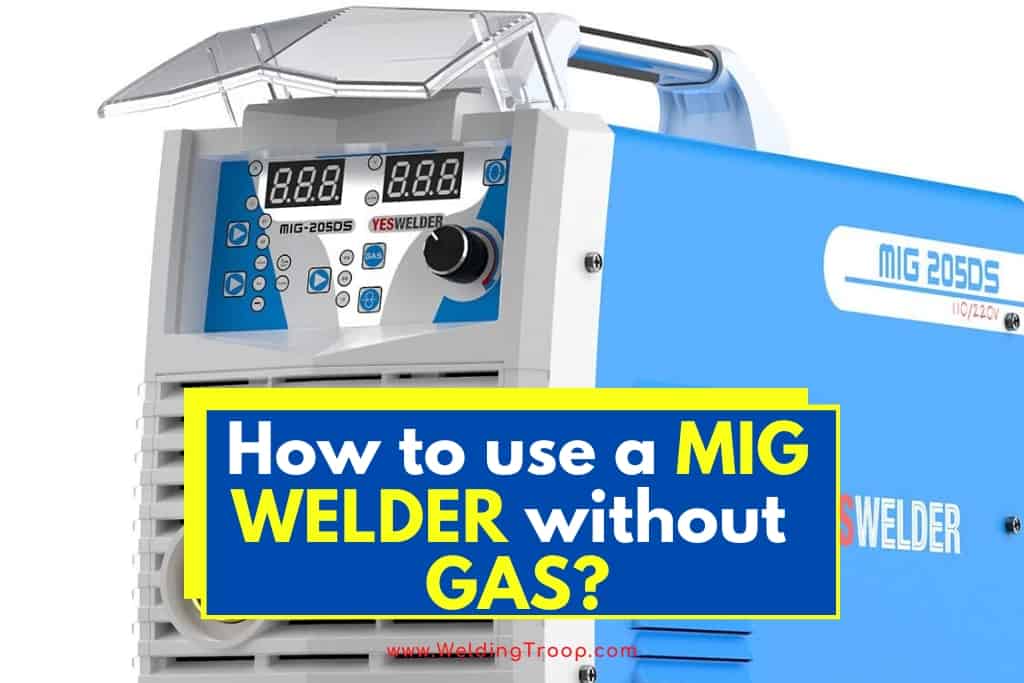
Ever gazed at a beautifully welded metal creation and thought, "Wow, I wish I could do that!"? Welding, the art of fusing metal, might seem intimidating with all its sparks, masks, and specialized equipment. But what if I told you there's a fantastic, beginner-friendly way to jump into the world of metal fabrication without one of the biggest perceived hurdles? Get ready to discover the magic of MIG welding without gas!
Typically, when people talk about MIG welding, they picture a welder with a big, bulky gas cylinder beside them. This cylinder holds shielding gas, which protects the molten weld pool from contaminants in the air. While traditional gas MIG is excellent, that gas tank can be a barrier. It’s heavy, requires refills, adds to the cost, and limits your mobility. This is precisely where "MIG without gas" — more accurately known as flux-cored arc welding (FCAW) with a self-shielded wire — swoops in like a superhero for hobbyists, DIY enthusiasts, and anyone looking to fix or create metal projects around the house or garage.
The purpose of welding without gas is to provide a highly accessible and versatile method for joining metals. Instead of an external gas supply, the secret lies within the wire itself! Flux-cored wire is a tubular wire filled with a powdered flux material. When this wire feeds through your MIG welder and melts, the flux burns off, creating its own mini cloud of shielding gas around the weld puddle. It's like having the shielding gas built right into your welding consumable!
The benefits of this gasless setup are numerous and compelling. First off, it's incredibly portable. No gas bottle means you can easily move your welder to different spots in your workshop, driveway, or even take it on location for repairs. Imagine fixing a gate or a trailer without lugging a heavy tank! Second, it's significantly more cost-effective in the long run. You save money by not having to buy or rent gas cylinders and constantly refuel them. This makes it a fantastic entry point for aspiring welders who want to experiment without a huge upfront investment.
Another major advantage is its performance in outdoor and windy conditions. External shielding gas can be easily blown away by a breeze, leading to poor welds. The self-shielding action of flux-cored wire is much more robust against wind, making it ideal for outdoor projects. Furthermore, flux-core is generally more forgiving on slightly rusty or dirty metal (though clean metal always yields the best results!). It's also excellent for welding thicker materials and often produces welds with deeper penetration, making for incredibly strong and durable joints.
Getting started is straightforward: you'll need a MIG welder capable of running flux-core wire (most entry-level MIG welders are), a spool of flux-core wire, and essential safety gear like a welding helmet, gloves, and protective clothing. While flux-core welds typically produce more spatter and leave a layer of slag that needs to be chipped off after welding (it looks a bit like burnt sugar), the strength and convenience it offers are well worth it. So, if you've been dreaming of fixing that fence, building a workbench, or even custom fabricating parts for your car, don't let the gas tank hold you back. Embrace the freedom and capability of MIG welding without gas – your next project awaits!


