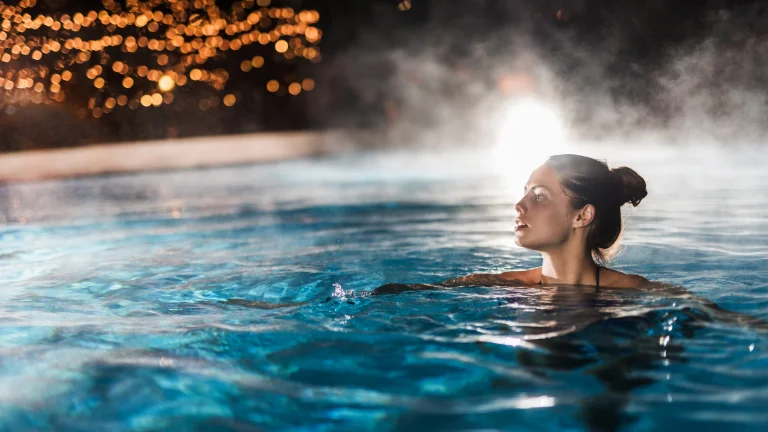
Imagine summer. Sunshine, a frosty drink, and the tantalizing glimmer of your backyard pool. Pure bliss, right? Until you dip a toe and… brrr. That invigorating shock might be great for polar bears, but for us mere mortals seeking a leisurely float or a playful splash, it's a mood killer. We dream of that perfect, bath-like warmth, the kind that makes you want to spend all day in the water, not just a fleeting moment of bravery.
There's nothing quite like the disappointment of a shivering swim when you were expecting a balmy retreat. It's like unwrapping a present only to find a pair of socks when you asked for a drone. You want to dive in, not tiptoe through a minefield of goosebumps. So, how do we transform that icy plunge into an inviting haven, and do it fast? Let's dive in!
The Active Heaters: Fast Lane to Warmth
Sometimes, you need a little direct intervention. These methods actively add heat to your pool water, making them the quickest ways to banish the chill.
Solar Covers: The Unsung Hero
The OG of pool warming. A good quality solar cover isn't just a dust bunny collector; it's a heat trap! It works by allowing sunlight to penetrate and warm the water, then preventing that precious heat from escaping through evaporation – the biggest culprit for heat loss. Think of it like a duvet for your pool. Keep it on whenever the pool isn't in use, especially overnight, and you'll be amazed at the temperature bump. Some can raise your water temperature by 10-15 degrees Fahrenheit!
Solar Rings & Mats: The Agile Alternative
Don't want to wrestle a giant cover? Enter solar rings or smaller solar mats. These are essentially mini solar covers that float on the surface. They capture sunlight and transfer heat, working on the same principle as the big covers but in more manageable pieces. While they might not be as potent as a full cover, they're super easy to deploy and remove, making them a great option for a quick boost or smaller pools.
Heat Pumps: The Eco-Conscious Powerhouse
For a more substantial, consistent warmth, a pool heat pump is your go-to. These marvels don't *create* heat; they *move* it, drawing warmth from the surrounding air (even on cooler days!) and transferring it to your pool water. It's like an air conditioner in reverse. They're incredibly energy-efficient, especially compared to gas heaters, and once installed, they offer reliable, consistent warmth. It's an investment, but one that pays off in extended swim seasons and happy swimmers.
Gas Heaters: Instant Gratification (at a Price)
If you need warmth right now – perhaps for an impromptu pool party or a sudden cold snap – a gas heater (natural gas or propane) is king. They are undeniably the fastest way to heat your pool, able to crank up the temperature in mere hours. The downside? They're often the most expensive to run, gulping down fuel. Think of them as the sports car of pool heating: thrillingly fast, but you'll feel it at the pump. Perfect for on-demand heating, less so for daily sustained warmth.
The Smart Fixes: Passive Power-Ups
Sometimes, the best offense is a good defense. These methods prevent heat loss or maximize natural heat gain, working subtly to your advantage.
Windbreaks: Simple Physics, Big Impact
Ever noticed how a breezy day makes you feel colder even if the sun's out? The same goes for your pool! Wind accelerates evaporation, which is a cooling process. Installing windbreaks like fences, hedges, or even strategically placed patio furniture can significantly reduce heat loss. It's a low-tech, high-impact solution.
Dark Bottoms: A Ray-Absorbing Secret
This is less of a "fast fix" and more of a design choice, but worth a mention for future pool dreamers! Pools with darker bottoms (think black or dark blue plaster) naturally absorb more solar radiation, much like wearing a black t-shirt on a sunny day. It's a subtle, constant heat gain that requires zero effort.
Timing is Everything: Sun's Out, Gains Out
This one's a no-brainer but often overlooked. Maximize your pool's sun exposure. Trim any overhanging branches. If you have a choice on when to run a heater, do it during the warmest, sunniest parts of the day when the ambient air temperature is highest, and heat transfer is most efficient.
Bonus Tip & Fun Fact!
Did you know that water has a very high specific heat capacity? This means it takes a lot of energy to raise water's temperature, but once warm, it also holds onto that heat really well. This is why lakes don't instantly freeze or boil, and why your pool needs a little help to get comfy. So, your efforts are definitely worthwhile in the long run!
Life, much like a pool, can sometimes throw us a curveball – or in this case, a cold splash! But with a little foresight, some clever tools, and a dash of strategic thinking, we can transform those chilly surprises into warm, inviting experiences. Whether it's planning ahead for a cozy swim or simply ensuring your morning coffee is just the right temperature, embracing these small comforts enriches our everyday. So, go ahead, crank up the warmth, and make every splash count!