Have you ever looked at a broken metal item, or imagined building something truly sturdy out of steel, and thought, "If only I knew how to weld!"? Well, get ready to unlock a superpower, because learning to use a wire feed welder is far more accessible and fun than you might think. It’s the kind of skill that not only brings immense satisfaction from creating or repairing something with your own hands but also opens up a whole new world of DIY possibilities. Forget relying on others for simple fixes; soon, you could be the go-to person for anything metal-related! It’s about empowering yourself to tackle projects that previously seemed out of reach, transforming raw materials into functional, beautiful, or incredibly strong objects.
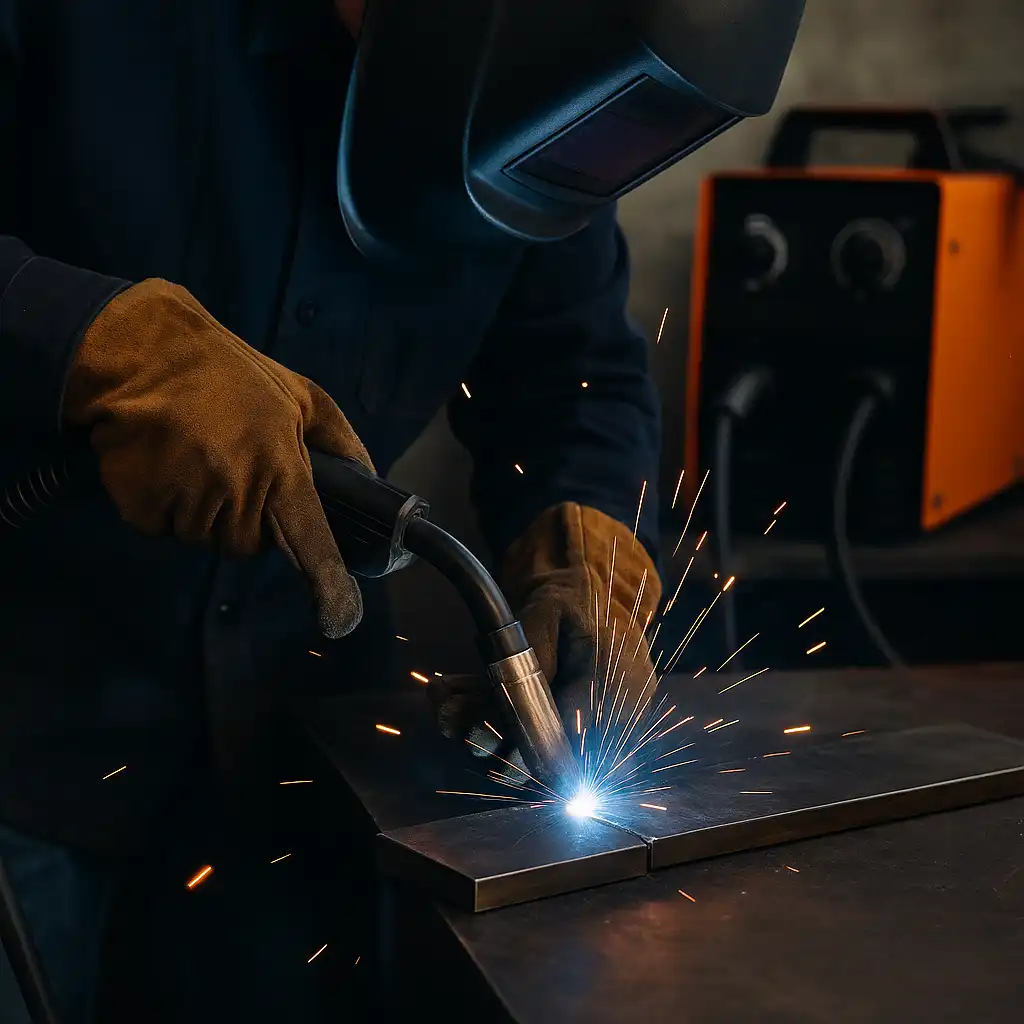
So, what exactly is a wire feed welder? At its heart, it’s a brilliant machine that continuously feeds a roll of wire (which acts as your electrode and filler material) into an arc between the machine and your workpiece, melting both and joining them into one solid piece. The beauty of the wire feed system, often referred to as MIG (Metal Inert Gas) or Flux-Cored welding, is its relative simplicity. Unlike stick welding, you don’t have to constantly change electrodes. This makes it incredibly user-friendly for beginners. You get consistent results, often with less splatter, and it's generally faster than other welding methods. Plus, it’s remarkably versatile, capable of handling various metal thicknesses and types, from mild steel to stainless steel and even aluminum with the right setup. It’s truly a fantastic entry point into the world of metal fabrication.
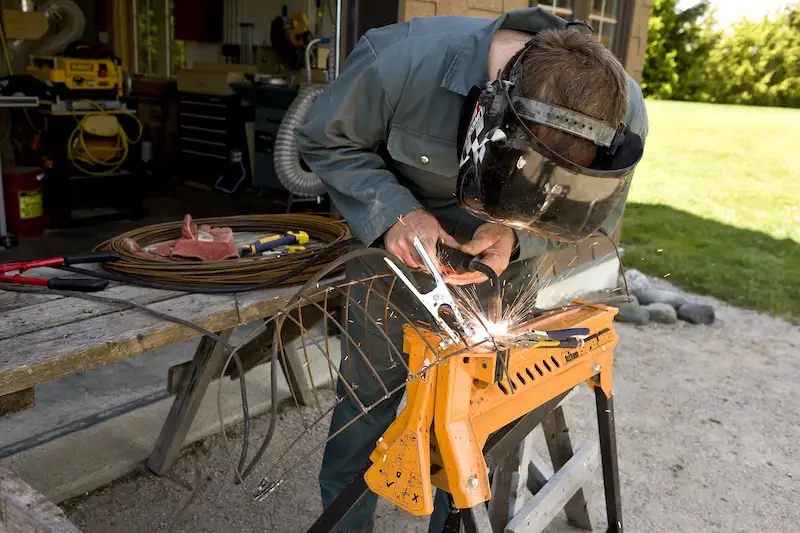
The applications for a wire feed welder are practically endless, stretching from the garage to the classroom. Imagine being able to repair a wobbly chair leg that's seen better days, patch a rust hole on your old pickup truck, or fabricate a custom shelf bracket exactly to your specifications. In daily life, it’s invaluable for mending broken garden gates, creating unique metal art sculptures, or even building a sturdy workbench frame. For those in education, shop classes and vocational schools frequently use wire feed welders to teach fundamental metalworking skills, allowing students to grasp the principles of joining metals quickly. Engineering students might use them for prototyping designs, and community maker spaces often feature them as popular tools for members to bring their creative metal projects to life. It’s a skill that truly bridges the gap between imagination and physical reality.
Ready to spark your curiosity and maybe even a few welds? The first and most crucial tip is safety first! You'll absolutely need a proper auto-darkening welding helmet, heavy-duty gloves, and appropriate protective clothing to shield yourself from the intense light and heat. Good ventilation is also a must. To get started, consider finding local community colleges or technical schools that offer introductory welding courses; hands-on instruction is invaluable. Alternatively, YouTube is an amazing free resource for countless tutorials. When you're ready to try it, start with plenty of scrap metal. Practice running beads (welds) on flat pieces before attempting more complex joints. Don't be discouraged by ugly welds at first; welding is an art that improves with consistent practice. You might even find local hardware stores that rent out smaller wire feed welders, allowing you to try before you commit to buying one. Dive in, experiment, and enjoy the journey of becoming a metal maestro!