:max_bytes(150000):strip_icc()/how-to-tell-if-your-pipes-are-frozen-2124985-v3-5b476dd246e0fb005b2575e8-f000053e481448d6b246a22658def1cc.png)
Ah, winter! The season of cozy sweaters, hot cocoa, and… the dreaded possibility of a frozen pipe. It's a topic that might not sound "fun" at first glance, but trust us, knowing how to spot a frozen pipe early can turn a potential plumbing catastrophe into a minor winter inconvenience. Think of it as gaining a superpower – the ability to avert disaster with a quick diagnostic glance! Instead of waking up to an indoor ice rink, you'll be a domestic superhero, saving the day (and your budget) from chilly peril.
So, why bother playing plumbing detective? Well, a frozen pipe isn't just an annoyance; it's a ticking time bomb. Water expands when it freezes, and that expansion puts immense pressure on your pipes. Eventually, this pressure can cause them to burst, leading to sudden, significant flooding, costly repairs, and a massive headache. Catching a frozen pipe before it bursts means you can often thaw it safely and avoid the whole ugly, watery scenario. It's all about prevention and early intervention – your wallet, your floors, and your sanity will all thank you for being vigilant.
Here are the key clues to look for, turning you into a pipe-freezing sleuth:
1. Low or No Water Pressure
This is often the first and most obvious sign that something’s amiss. You turn on a faucet, expect a steady gush, and get a pathetic dribble – or complete silence. If only one particular faucet is affected, especially one on an exterior wall or in an unheated area like a garage, it’s a strong indicator of a frozen pipe in that specific line. If multiple faucets in different parts of your home are acting up, the problem might be further back in your main water line, or even your water meter is frozen.
2. Visible Frost or Ice on Pipes
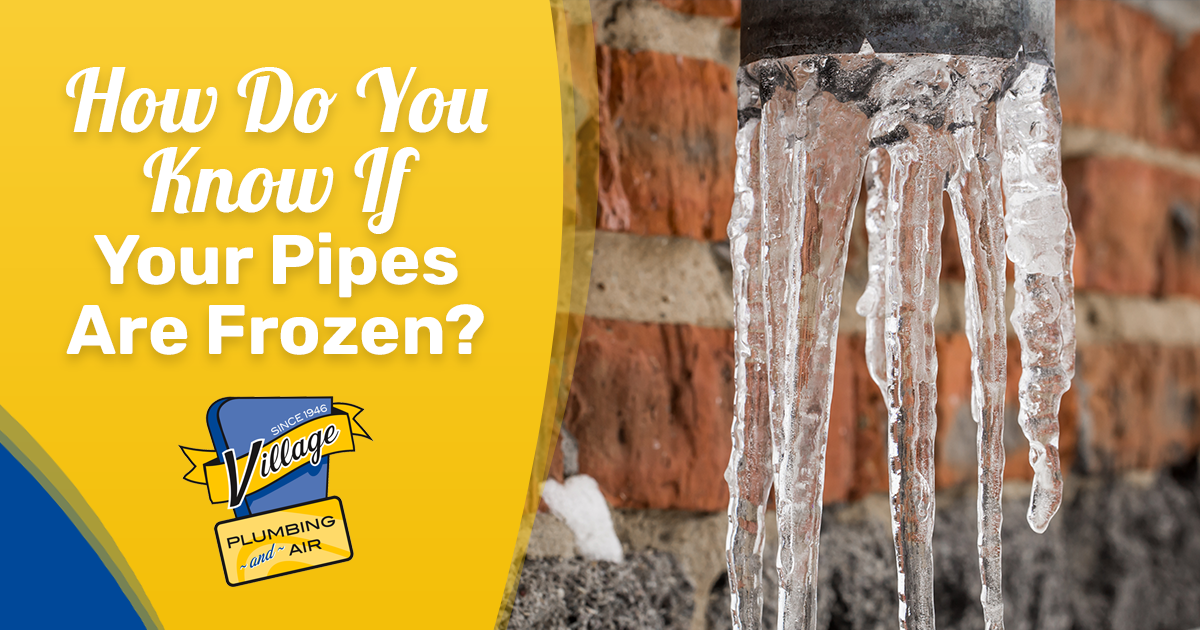
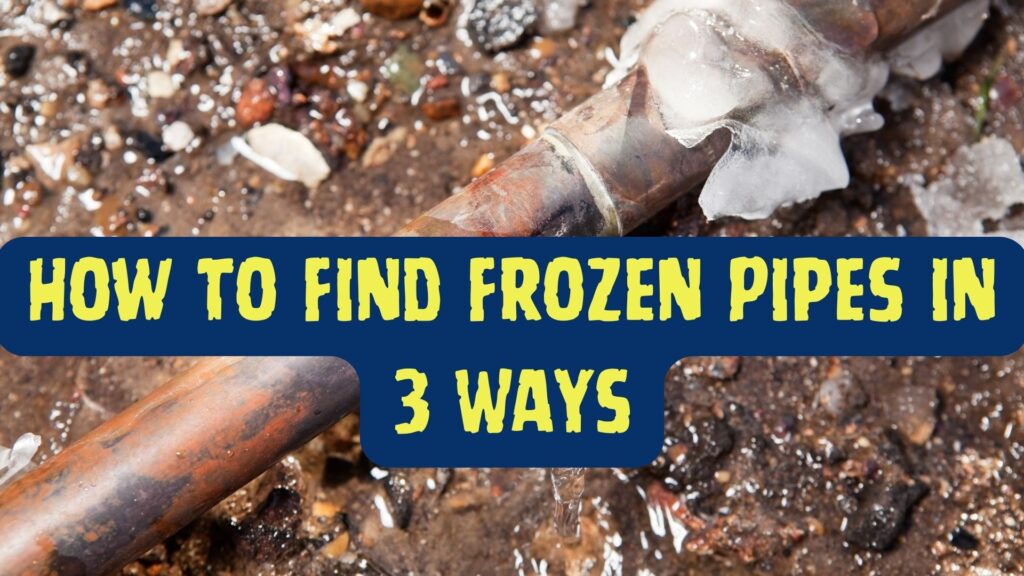
Sometimes, the pipe will tell you directly! Head to your basement, crawl space, under sinks, or any other areas where pipes are exposed. Look for any section of pipe that has a visible layer of frost, a bulging section of ice, or even just condensation that feels unusually cold. This is a dead giveaway that the water inside has turned solid. Pay extra attention to pipes running along exterior walls and those near vents or windows.
3. Strange Noises
While often associated with *thawing* pipes, a freezing pipe can also make some unusual sounds. You might hear gurgling, clanking, or even a humming sound coming from your walls or from near your water meter. These noises can indicate water struggling to get past an icy blockage, or the pipe material expanding under pressure. It's your home trying to warn you!
4. Unusual Damp Smells
This clue is less about the pipe *being* frozen and more about what might happen *after* it's frozen and possibly developed a crack. If you start to notice a damp, musty, or stagnant water smell in an area where pipes are located – especially if you haven't seen any water – it could mean water is already escaping from a small crack or leak caused by the ice expansion. This symptom requires immediate attention, as a slow leak can cause significant damage over time.
5. Cold Spots on Walls or Floors
If a pipe inside a wall or floor is frozen, the surrounding area might feel unusually cold to the touch. While not always reliable on its own, if you combine this with other symptoms like low water pressure in an adjacent faucet, it can help you pinpoint the exact location of the icy blockage. Use your hands to feel for distinct cold spots!
Knowing these signs empowers you to act quickly. Remember, dealing with a frozen pipe promptly and correctly can save you from a major household disaster. So, next time the mercury drops, keep an eye (and an ear, and a nose, and a hand!) out for these crucial clues. Stay warm, and keep your pipes flowing freely!