Okay, so picture this: you're out there, maybe camping, maybe just surviving a rogue backyard sprinkler incident (hey, it happens!). The sky opens up, rain starts hammering down, and suddenly, the one thing you *really* want – a toasty, crackling fire – seems about as likely as finding a unicorn serving lattes. But fear not, my friend! Starting a fire in the rain isn't just possible; it's practically a magic trick, and it's ridiculously fun to master.
Seriously, there's something deeply satisfying, almost primal, about coaxing a flame to life when everything else is soaking wet. It's like telling Mother Nature, "Nice try, but I've got this!" You feel like a wilderness wizard, a fire-bending guru. Plus, let's be honest, who doesn't love a good challenge? This isn't just about survival; it's about bragging rights around the next campfire (the one you totally built in a downpour, naturally).
The Wet, Wild, and Wonderful Challenge
So, what's the big deal? Well, water, obviously! It's the ultimate party pooper for fire. It cools things down, prevents proper combustion, and generally makes everything miserable. Your mission, should you choose to accept it, is to find or create something *dry enough* to catch a spark and then keep it going. Easier said than done when it feels like the world is trying to put your tiny flame out.
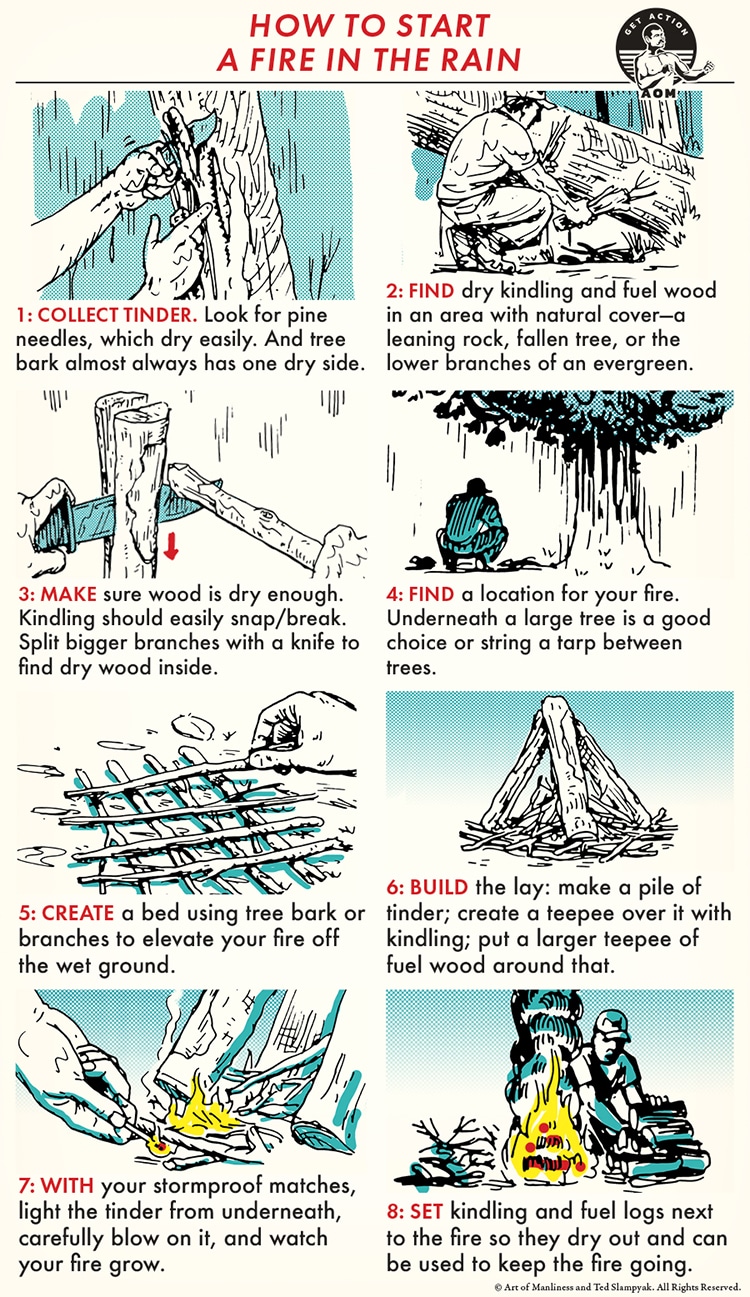
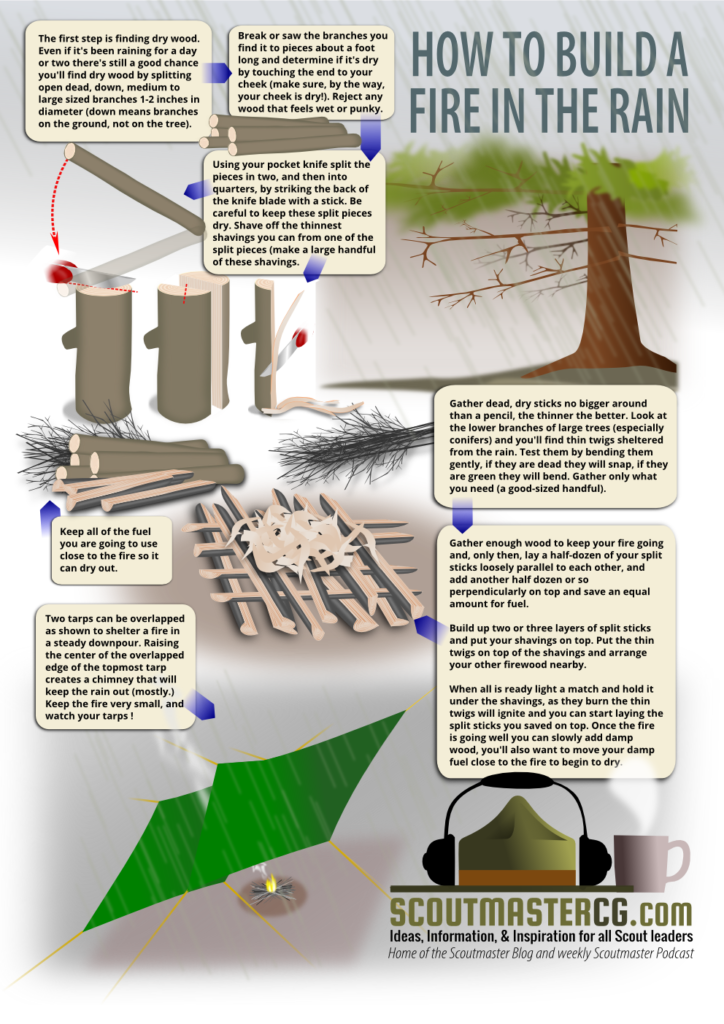
First things first: shelter, shelter, shelter! This isn't just for you; it's for your precious future fire. A small tarp, a poncho, even a strategically placed large tree branch can make all the difference. Think of it as your fire's cozy little umbrella. Get low to the ground. Use your body as a wind block. Every little bit helps to protect that initial, vulnerable spark.
Tinder Is King (and Must Be Dry!)
Now, for the real secret sauce: tinder. This is your fire's baby food – super fine, super dry, and super eager to catch a flame. And in the rain, finding dry tinder is like hitting the jackpot. Where do you look? Think *under* things. Seriously. Look under fallen logs, inside hollow trees, beneath rock overhangs. Nature's got little pockets of dryness if you know where to peek.
Got some birch trees around? Their bark is a godsend! The papery outer layers contain oils that make them almost waterproof and incredibly flammable, even when damp. Just peel off the thin, curly bits. Cottonwood fluff? Gold! Dead leaves that have been trapped under a rock for ages? Bingo! Even the dry, inner bark of certain trees can work. It's all about digging a little deeper.
And if you're smart (or a bit of a cheat, we won't judge!), you came prepared. Dryer lint, petroleum jelly-soaked cotton balls (seriously, these things are magic), or commercial fire starters are your best friends. They're like cheat codes for fire-starting in adverse conditions. Keep them in a waterproof bag. You'll thank yourself.
Building Your Tiny Inferno: The Layers
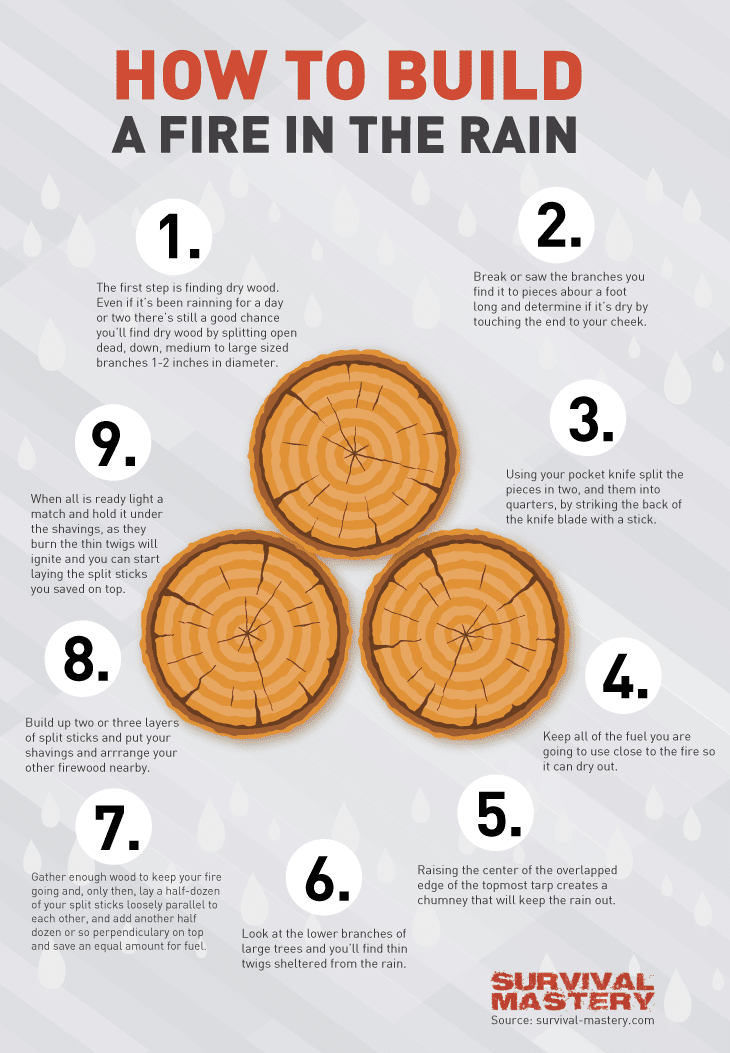
Once you've got your precious dry tinder, it's time to think about kindling. This is the awkward teenager of the fire world – bigger than tinder, smaller than logs, and needs to be relatively dry. Look for small twigs and branches that have snapped off but are still hanging, or are nestled in really sheltered spots. Snap them. If they snap cleanly with a loud crack, they're dry enough. If they just bend, keep looking!
Peel off any wet outer bark to get to the drier wood underneath. Use a knife to shave tiny curls from the dry inner wood. These are called feather sticks, and they're another pro move. They create a huge surface area for the flame to grab onto.
Start small. Lay down a tiny nest of your driest tinder. Then, *gently* add your smallest kindling in a tepee or log cabin formation around it. Remember, fire needs to breathe! Don't smother it. Leave gaps for air to flow through. This is crucial. Imagine your fire trying to gasp for air under a heavy blanket – no good, right?
The Spark, The Flame, The Triumph!
Now for the exciting part! Whether you're using a ferro rod, a lighter, or even those fancy waterproof matches, direct your spark or flame right at the heart of that tinder nest. Nudge it. Coax it. Blow *gently* on the glowing embers to feed them oxygen. This is where patience is a virtue, and your lung capacity gets a workout. You're literally breathing life into a flame!
Once your kindling catches, gradually add slightly larger pieces. Don't rush it. Think of it like a carefully constructed Jenga tower. One wrong move, and it all comes tumbling down. Keep feeding the flame, always remembering to build upwards and outwards, allowing for that all-important airflow.
You'll know you've won when you see those beautiful, dancing flames licking at the larger pieces of kindling. At this point, you can start adding slightly wetter, larger fuel wood. The established heat of the fire will help dry out the new wood before it burns. It's like a self-fulfilling prophecy of warmth!
And there you have it! A roaring fire, born from the most challenging conditions. You’re soaked, maybe a little smoky, but you've got a grin plastered across your face. That feeling of accomplishment? Priceless. So next time the skies open up, don't despair. Grab your gear, channel your inner fire whisperer, and go make some magic happen. It’s not just a skill; it’s an adventure waiting to ignite!