Alright, gather 'round, folks! Pull up a chair, grab your imaginary coffee, because we're about to delve into one of life's greatest mysteries: How to actually get that darn fish to stay on the line. You know the drill. You’re out on the water, sun’s shining, birds are chirping, and suddenly—BAM!—you feel a tug. Your heart leaps, adrenaline surges, you pull… and nothing. Just a limp line and the crushing realization that you’ve just been punked by a piscine Houdini. Frustrating, right?
Well, my friends, the secret to turning that "darn it!" into a "GOTCHA!" lies in mastering the ancient, noble art of setting the hook. It's less about brute force and more about timing, finesse, and knowing your fish. Think of it like a perfectly choreographed dance, but with a fish that has no idea it's participating.
The Big Moment: Feeling the Bite
First things first: you gotta feel the bite. This isn't always a dramatic yank. Sometimes it’s a subtle tap, a slight hesitation, or your line just suddenly feels… heavier. It's like a secret handshake with the underwater world. Is it a fish? Is it seaweed? Is it just your overactive imagination playing tricks on you because you really, really want to catch something? Welcome to the club!
The key here is attentiveness. Keep your eyes on your rod tip, or better yet, feel the line with your finger. Any twitch, any bump, any unnatural movement could be your dinner saying "hello." Or it could just be a passing current, but hey, a little paranoia never hurt anyone, right? Don't just stare blankly into the water, become one with the rod!
The "WAIT, THEN WHAM!" Technique
This is where most beginners (and, let's be honest, many seasoned anglers who are just too excited) mess up. You feel a bite, and your immediate instinct is to yank! Stop! Hold your horses! Or, in this case, hold your rod!
When a fish first bites, it’s usually just mouthing the bait, tasting it, checking if it’s an impostor. Imagine you're at a buffet; you don't just swallow the first thing you touch, do you? No, you sample. Fish are the same. You need to give them a second to actually take the bait into their mouth. This is the crucial delay. It’s like waiting for someone to say "yes" before you start planning the wedding. Give them a moment to commit!
Now, this "moment" isn't a coffee break. It’s usually just a beat or two. But it’s long enough for the fish to turn with the bait, effectively getting the hook into a prime position for setting. Did you know some fish, like bass, actually inhale their prey, creating a vacuum? Wild, right? So, you’re waiting for them to fully commit to that vacuum cleaner move.
The Actual Hook Set: A Moment of Glorious Violence (but gentle)
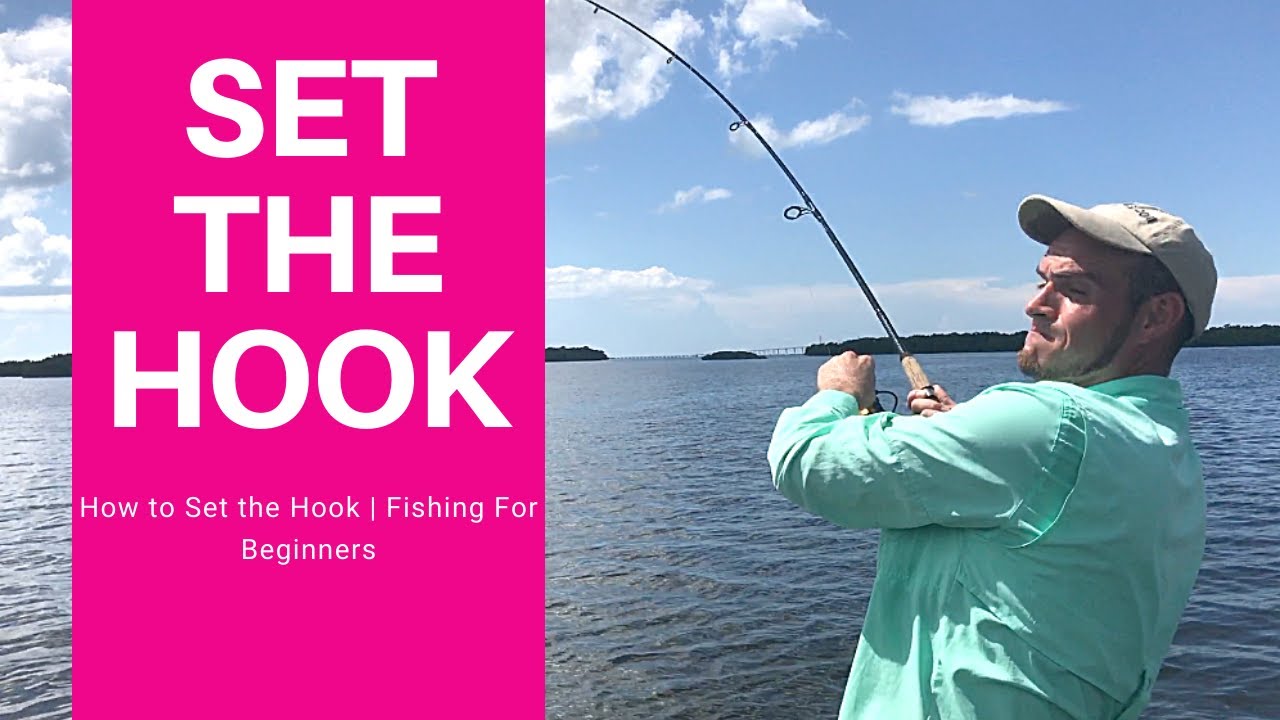
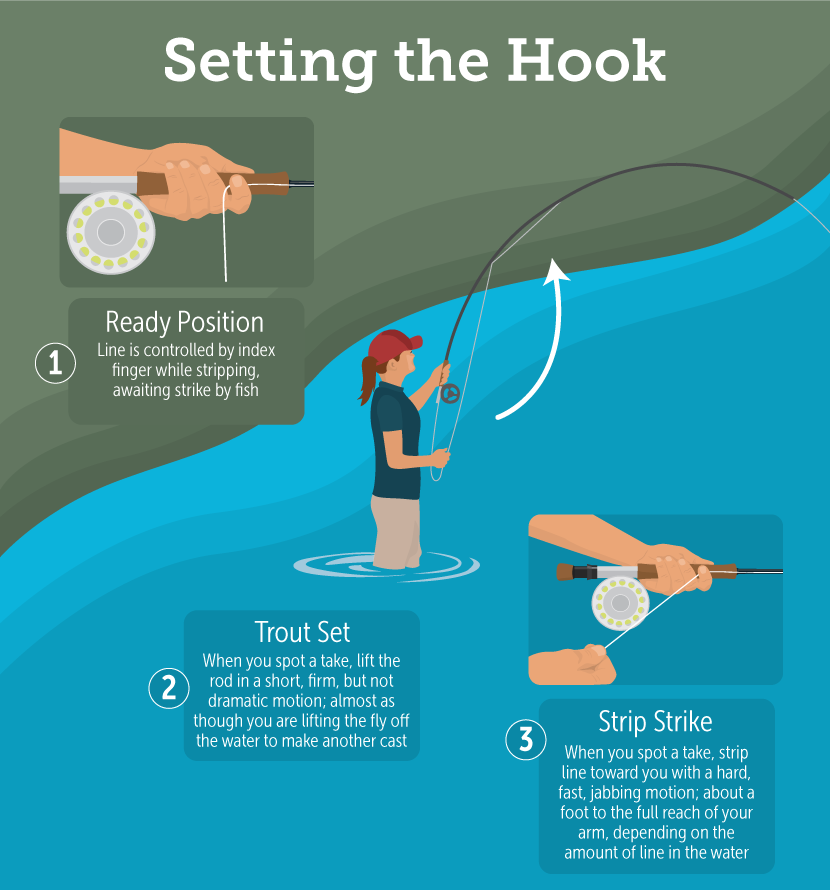
Okay, the fish has taken the bait. You’ve waited your crucial beat. Now it’s go-time! This isn't a gentle tug. This is not a polite request. This is a firm, swift motion!
Here’s how you do it: Your rod should ideally be pointed roughly at the 10 or 11 o’clock position. When you feel that commitment, quickly and forcefully pull your rod straight up and slightly back, or sideways, depending on your casting angle. Imagine you’re trying to launch a small, very confused fish into orbit, but just enough to lodge the hook securely in its lip or jaw. It’s not a heave-ho from your shoulders; it's a powerful snap from your wrist and forearm, engaging the whole rod! You want to eliminate all the slack in the line and drive that hook home.
As you set, keep reeling! This is crucial. It helps maintain tension and keeps the fish from spitting the hook or shaking free if your set isn't perfect. Think of it as a one-two punch: set the hook, then immediately start reeling to maintain pressure!
Different Fish, Different Flavors of Fun
Not all fish are created equal when it comes to hook sets. A tiny panfish like a bluegill has a small, delicate mouth. You'll need a lighter touch, almost a wrist-flick, to avoid tearing its mouth. For a feisty bass or a powerful trout, you'll need a more assertive, positive set. And if you’re fishing for something truly monstrous in saltwater? You might need to brace yourself, lock your drag, and literally lean into it with your whole body! Their jaws are like concrete, and their intent is pure escape.
A good rule of thumb: the bigger the fish (or the tougher its mouth), the harder the set. But always remember, it's a quick snap, not a slow pull.
Common Blunders and How to Avoid Them (We've All Been There)
1. The "Nibble Nosedive": Pulling too early. You feel a tiny tap, you yank, and you pull the bait right out of the fish's mouth. Patience, young padawan!
2. The "Swallowed Surprise": Pulling too late. The fish has had the bait for so long it’s practically digested it. Now you're deep-hooking, which isn't great for the fish if you plan to release it. Find that sweet spot in the middle!
3. The "Polite Request": Not pulling hard enough. You give it a gentle tug, and the hook barely scratches the fish's lip. The fish politely shrugs it off and swims away to tell its friends about the amateur angler. Be decisive!
4. The "Slack Line Saga": Not keeping your line taut. A slack line means no direct connection to the fish, and your hook set will just take up the slack, not drive the hook. Always minimize slack!
Practice Makes Perfect (and Cooler Stories)
You’re going to miss fish. A lot of fish. It’s part of the deal. Every angler, from the seasoned pro to the weekend warrior, has more "the one that got away" stories than they care to admit. But with practice, you'll start to recognize those subtle bites, understand that crucial delay, and execute that perfect, satisfying snap.
And when you do, when you feel that solid thud of the hook setting securely, and the line sings as a fish finally puts up a real fight... well, that's the magic. That’s why we do it. It’s the triumphant payoff for all that waiting, all that guessing, and all those fish who outsmarted you. So go forth, embrace the art of the hook set, and may your next fishing trip be filled with victorious "GOTCHAs!"