Ever feel a sudden, icy kiss on your ankle when you’re just trying to relax on the couch? That’s not a ghost, friend. That’s probably your exterior door playing peek-a-boo with the outside world!
And guess what? Sealing that door isn't some boring chore for DIY fanatics. It’s actually a mini-adventure. A quest for comfort, a battle against high energy bills, and a triumph over sneaky drafts. Ready to become a home hero?
The Case of the Sneaky Drafts: Why Bother?
Think of your exterior door. It's your home's bouncer, right? Keeping out the riff-raff like cold air, hot air, tiny critters, and your neighbor's questionable tuba practice. But sometimes, even the best bouncers get a little…lax.
Those tiny gaps around your door? They’re like VIP entrances for everything you don't want inside. They're silently jacking up your heating and cooling costs. They're letting in pollen and dust. And yes, they're the reason you shiver even when the thermostat says "toasty."
Plus, there's the sheer satisfaction. Imagine a quiet, perfectly temperate home. Ahh, pure bliss!
Meet the Culprits: Where Do Gaps Hide?
Drafts are sneaky. They don't just hang out conspicuously. They’re like tiny air ninjas. But where do they lurk?
- Around the Sides and Top: The door frame itself might have tiny cracks.
- Underneath the Door: A classic escape route for air.
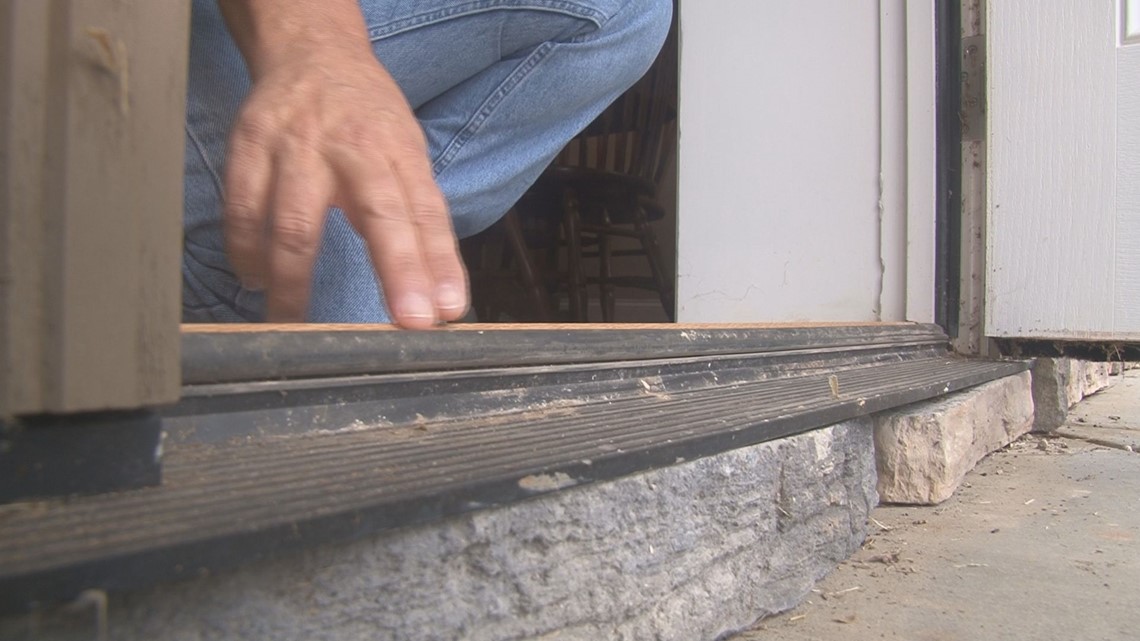
- The Threshold: That little bump at the bottom of the frame? It’s supposed to seal, but sometimes it gives up.
- The Door Jamb: Where the door meets the frame. Often overlooked!
Want to find them? Here’s a fun trick: the dollar bill test. Close your door on a dollar bill. If you can pull it out easily, that’s a gap! Repeat all around the door. You’re basically an air detective now. Cool, right?
Your Arsenal: The Fantastic Four of Door Sealing!
No need for superpowers here. Just a few simple tools and materials will turn you into a sealing superstar. And they're surprisingly affordable!
1. Weatherstripping: The Door's Best Friend
This is your primary defense! Weatherstripping comes in many forms, each with its own personality:
- Foam Tape: Super easy to apply, peel-and-stick. Great for small, inconsistent gaps. It’s the friendly, versatile type.
- V-Strip (or Tension Seal): This clever little plastic or metal strip forms a tight seal when the door closes. It's the quiet achiever.
- Tubular or Bulb Seals: These create a compressible barrier. Think of them as tiny, inflatable walls. They're great for bigger, more consistent gaps.
- Felt or Brush Strips: Often used on the bottom or sides, especially for sliding doors. They’re the soft-but-firm protectors.
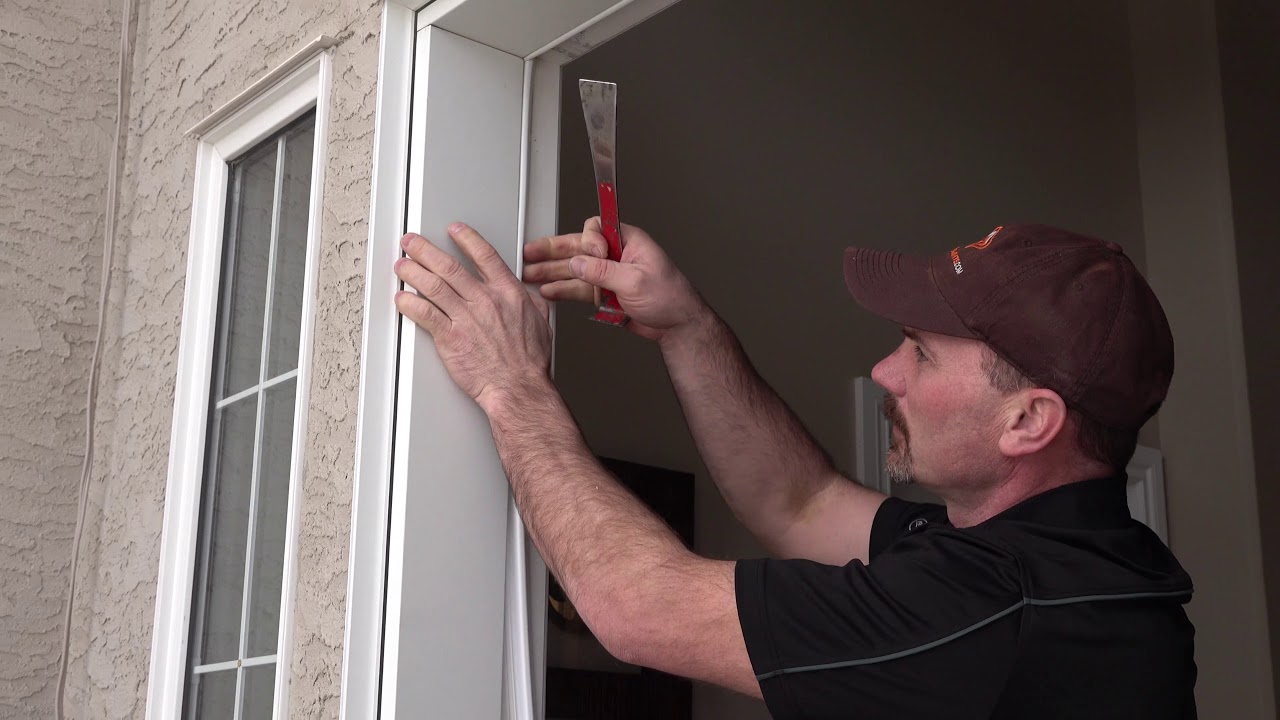
Checking your existing weatherstripping is simple. Is it cracked? Is it brittle? Is it just…gone? If so, it’s time for an upgrade! Installation is usually peel-and-stick or tacked on. Super satisfying to press into place!
2. Door Sweeps: The Bouncers of the Bottom
Got a gap under your door big enough for a mouse (or a small draft dragon) to sneak through? You need a door sweep! This is a strip of metal, plastic, or vinyl with bristles or a rubber flap that attaches to the bottom of your door.
When you close the door, the sweep brushes against the threshold, forming a tight seal. It’s like a tiny broom that’s constantly on guard. No more chilly toes! They come in various styles to match your door, so it’s not just functional, it can look good too!
3. Thresholds: The Ground Zero Guardian
The threshold is that strip on the floor under your door. Sometimes, it’s worn down or just plain wrong for your door. Many modern thresholds have a built-in rubber or vinyl seal that adjusts. If yours is flat and sad, consider upgrading!
An adjustable threshold, when paired with a good door sweep, is like having a double-locked vault for your climate control. Invincible!
4. Caulk and Expanding Foam: The Gap Fillers Extraordinaire!
Now, sometimes the gaps aren’t just around the door itself, but between the door frame and the wall. Or maybe a tiny crack has formed over time. That’s where caulk comes in!
A bead of exterior-grade caulk can seal those hairline cracks, preventing air and moisture from seeping in. It’s a bit like frosting a cake, but for your house. Just make sure your lines are neat. Or, if you’re like me, embrace the "rustic" look.
For bigger, deeper gaps, a little bit of expanding foam can work wonders. But be warned: a little goes a long way with that stuff! It expands like crazy. Use it sparingly, or you'll have foamy alien tendrils creeping out of your walls!
The Grand Finale: Be a Home Comfort Champion!
Sealing your exterior door isn't just about saving a few bucks (though you totally will!). It’s about making your home a more pleasant place to live. Quieter. Warmer in winter, cooler in summer. Pest-free. And just generally more zen.
So, grab some weatherstripping, maybe a new door sweep, and a tube of caulk. Take an hour or two. You’ll be amazed at the difference. You’ll feel like a true guardian of comfort. And when that next draft tries to sneak in, it’ll be met with a firm, sealed "Nope!"
Go forth and seal, mighty home hero!