Ever get that utility bill? You know, the one that lands with a soft thud, packed with numbers that make your eyes glaze over? Right there, among the charges and taxes, is a figure. A big one. It's your energy usage. And where does that magical number come from? Ah, yes. The elusive, often ignored, energy meter.
Most of us treat it like a distant relative we only see at holidays. We know it's there. We know it's important. But do we actually talk to it? Do we understand its secret language? Probably not. And that, my friends, is perfectly okay. Or is it?
The Great Meter Mystery
For years, I believed the energy meter was a highly sophisticated piece of alien technology. It had to be. Why else would those numbers be so… demanding? I imagined teams of brilliant engineers, cloaked in lab coats, deciphering its cryptic messages. The utility company, I thought, held the sacred keys to this knowledge. It felt like trying to read ancient hieroglyphs after a particularly strong espresso. Daunting. Unnecessary for the average mortal.
But here's my slightly unpopular opinion: reading an energy meter is actually a piece of cake. A very, very simple cake. In fact, it's so simple, you might wonder why we've all been tiptoeing around it like it's a sleeping dragon guarding gold.
"The secret to reading your energy meter? It's less like code-breaking and more like counting your fingers. With slightly more electricity involved."
Step One: Find the Beast (It's Not Hiding)
First things first. You need to locate your meter. It's usually on an outside wall of your house or apartment building. Look for a grey box. Sometimes it’s beige. Rarely it’s pink, but hey, stranger things have happened. It's not trying to hide, honestly. It just blends in, like that one sock you can never find.
Once you've found your meter, take a deep breath. You're about to embark on a journey of pure numerical discovery. Or, you know, just look at some digits.
Analogue vs. Digital: The Grand Showdown
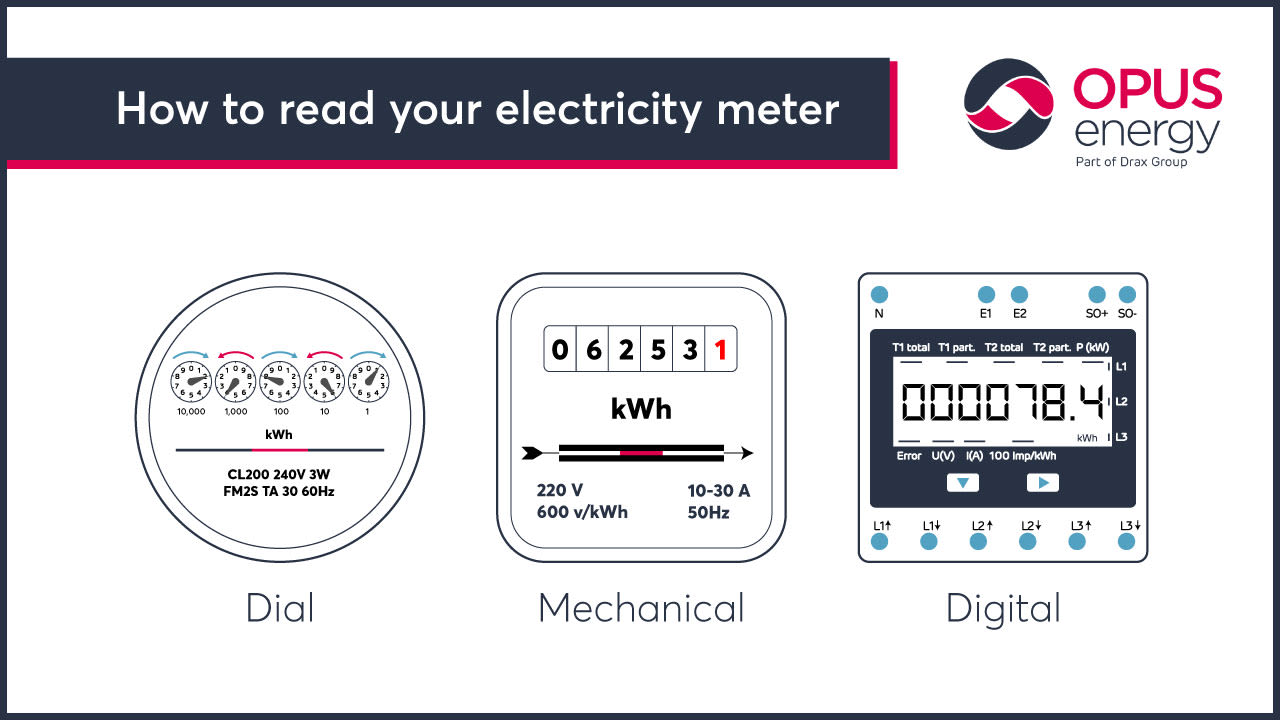
There are two main types of meters you'll encounter. The classic, old-school analogue meter, and the modern, sleek digital meter. Both tell you the same thing, just with different accents.
The Analogue Charm (Spinning Dials!)
Ah, the analogue meter. It’s got these charming little dials, usually four or five of them, each with numbers from zero to nine. And often, there's a little disk that spins. Faster spinning? More energy being used. It's like a tiny, mesmerising carnival ride for your electrons.
To read these, you generally read the number the needle has *just passed*. If it's between 2 and 3, you read 2. If it's *right on* a number, say 5, then you peek at the dial to its right. If that dial hasn't passed zero yet, then it's still 4 (on the dial you're looking at). If it *has* passed zero, then it's 5. Confused yet? Don't worry! This is the part where most people throw their hands up. But here's the real unpopular opinion: you don't actually *need* to be an expert dial reader.
The Digital Dream (Just Numbers!)
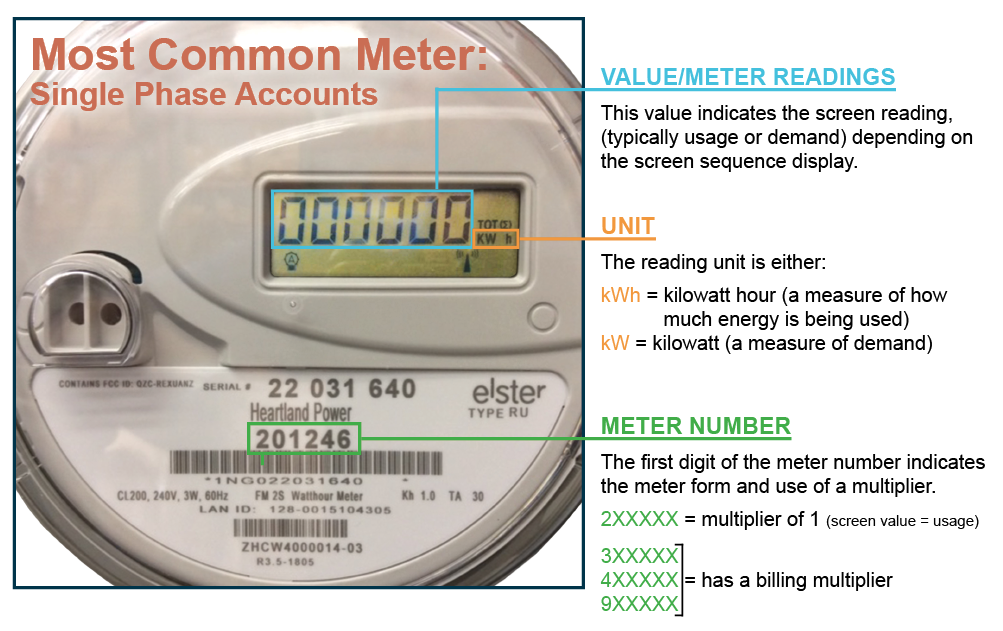
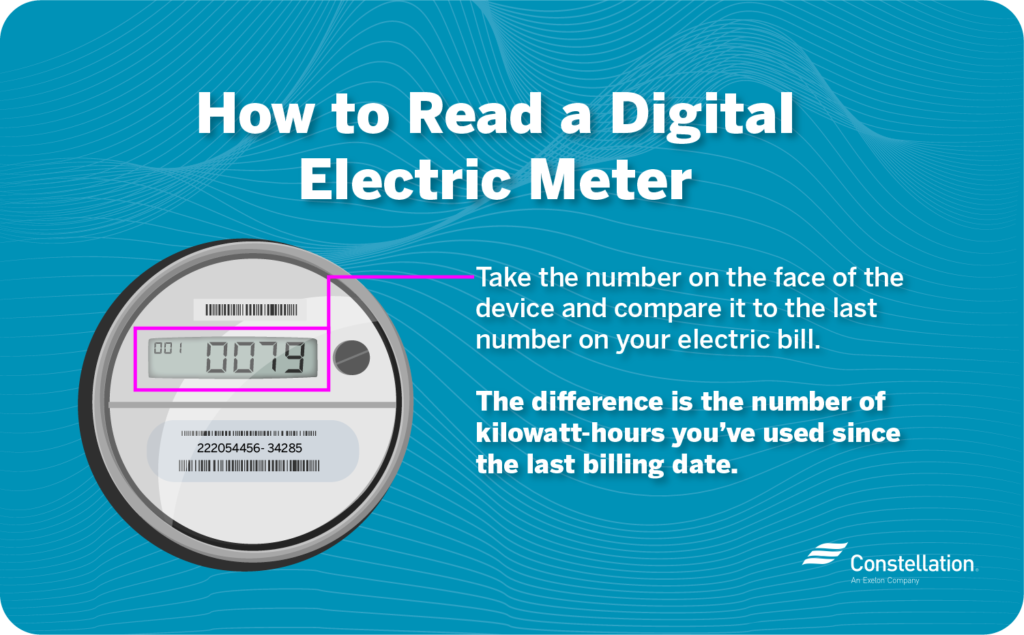
Now, the digital meter. Oh, how it simplifies life. It's a screen. With numbers. Big, clear, unmistakable numbers. It’s like a tiny calculator stuck to your wall. No guessing where a needle is pointing. No wondering if it’s truly past the zero. Just crisp, clear digits staring back at you.
To read a digital meter? You write down the numbers you see. That's it. Seriously. Unless it’s one of those fancy smart meters that does all the work for you, flashing different screens (like peak and off-peak readings), you're just looking for the main reading, usually followed by kWh – kilowatt-hours.
The Big Reveal: It's Just a Counter!
Whether it's old-school dials or modern digits, your energy meter is essentially a glorified odometer for your house. It just counts how much electricity has zipped through your wires since it was installed. When the meter reader comes (or the smart meter sends its data wirelessly), they simply note down the current number. Then, they subtract the last month's number. Voilà! Your usage for the month. It’s truly that simple.
So, the next time you get that bill, you now possess a secret power. You *could* go outside, brave the elements (or just the mild breeze), and verify the numbers. You *could* become a master of the spinning disk. You *could* even just glance at the digital display and feel a smug sense of accomplishment. Or, you could just acknowledge its existence with a nod, and then carry on with your day, having successfully demystified the whole affair.
But here’s the most unpopular part of my unpopular opinion: you probably won't meticulously check it every month. And that’s perfectly okay! Most of us are happy to let the pros handle it. We trust the system. We're busy with, you know, life, and trying to remember if we left the stove on. But at least now you know the mystery isn't so mysterious after all. It’s just numbers. Simple, honest, power-hungry numbers, happily ticking away. Go forth and barely read your meter, my friends. You’ve earned the peace of mind.