Ever found yourself gazing longingly at your sparkling pool on a sweltering summer day, only to dip a toe in and discover it feels more like a bath than a refreshing escape? You're not alone! While many of us focus on *heating* pool water for those cooler months, there's a growing fascination with the inverse: How to make pool water cold. And honestly, it’s a lot more fun and relevant than you might think!
The purpose of chilling your pool water is delightfully straightforward: to transform it into a truly invigorating haven when temperatures soar. Imagine diving into a perfectly crisp, cool expanse that instantly melts away the heat and tension of the day. The benefits extend beyond mere comfort. Cooler water can make your swimming workouts more enjoyable and sustainable, as you're less likely to overheat. It also has a surprising ally in fighting algae, which thrives in warmer conditions. By keeping your pool cooler, you might even find yourself using fewer chemicals and spending less time scrubbing, leading to a cleaner, clearer, and more inviting swim.
So, where does this quirky pursuit fit into our daily lives or even offer a touch of education? In daily life, learning how to cool your pool can turn your backyard into the undisputed champion of summer retreats. Hosting a barbecue? A cool pool will be the star attraction. Experiencing a heatwave? Your pool becomes a literal lifeline. Educationally, exploring pool cooling methods gives us a fantastic, hands-on way to understand basic principles of thermodynamics and heat transfer. You're observing evaporation, convection, and radiation in action – essentially, a real-world science experiment happening right in your backyard! It also encourages a curious mindset, prompting us to look for ingenious, often natural, solutions to everyday problems.
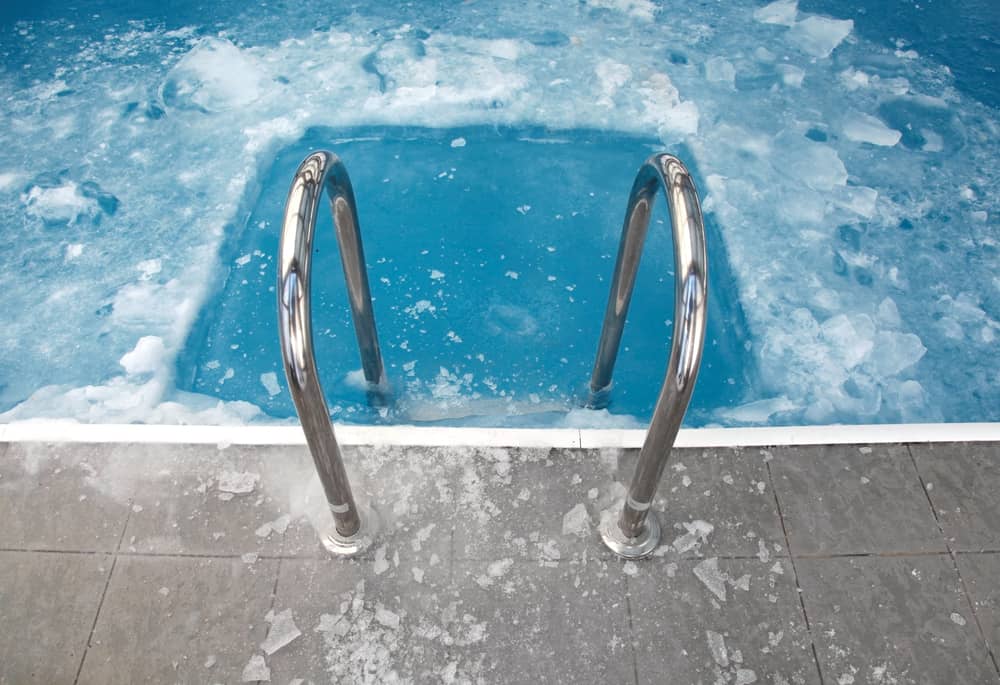
The good news is that making your pool water cold doesn't require rocket science, and there are several practical, simple ways to explore it. One of the easiest methods is to embrace shade. Planting trees strategically, installing shade sails, or even using large patio umbrellas can significantly reduce the amount of direct sunlight hitting your water, preventing it from heating up. Another fantastic technique involves harnessing the power of evaporation. Try running your pool pump and filtration system primarily at night, when air temperatures are cooler. This circulates the water, allowing more heat to escape into the cooler night air through evaporation. If you have water features like fountains or waterfalls, running them also helps, as they increase the water's surface area exposed to the air. For a more direct approach, some people even float large blocks of ice in their pool for a quick cool-down (though this is more practical for smaller pools or temporary relief). You can also find specialized pool chillers or evaporative coolers on the market that actively reduce water temperature, often working like an air conditioner for your pool. Simply removing your solar blanket during hot days, which is usually used to trap heat, will also allow heat to dissipate. It's all about understanding how to encourage heat to leave your pool rather than enter it!