Ever walked into a room and felt like you'd accidentally stumbled into an oven? That heavy, stifling feeling where the air just seems to hang there, thick and warm? We've all been there. It’s that moment when your couch feels less like a comfy landing pad and more like a heat-retaining toaster. But what if I told you that making your space feel like a cool oasis doesn’t always require blasting the AC or an expensive renovation? It’s often about understanding a few simple, almost magical, principles.
Think about it: your room isn't just a box; it's a mini-ecosystem constantly interacting with the world outside. And just like we adapt to the weather, our rooms can too. We're going to explore some super chill ways to nudge that thermostat down a notch or ten, without breaking a sweat (or the bank). Ready to turn your personal sauna back into a sanctuary? Let's dive in!
Shield Your Sanctuary: Blocking the Sun's Sneaky Rays
Here’s a head-scratcher: where does most of that scorching heat come from? Yep, you guessed it – the sun! It beams down, bounces off things outside, and then those wonderful rays sail right through your windows, turning into heat once they hit your furniture and walls. It’s like leaving a dark car in the sun; all that light energy transforms into warmth, quickly making things toasty.
So, the first line of defense is often the simplest: block those rays before they get inside. Consider your windows the gatekeepers of your comfort. Are they letting in all the warmth like a welcoming committee for heat? Maybe it’s time to give them a firm, but polite, no-entry sign.
This means getting cozy with your curtains, blinds, or even shades. Dark, heavy curtains, especially those with thermal backing, are like putting a thick, insulated blanket over your windows. They prevent sunlight from penetrating, reflecting it back outside. Even lighter-colored blinds, when angled correctly, can do wonders by reflecting the sun upwards. It’s a bit like giving your house its own pair of cool sunglasses!
The trick? Close them during the hottest parts of the day, especially on sun-facing windows. You might be surprised how much cooler your room feels just by denying the sun direct access. It's a small habit, but boy, does it pay off!
Let It Breathe: Harnessing the Power of Airflow
Ever noticed how a slight breeze makes even a warm day feel more bearable? Your room craves that same feeling! Stagnant, hot air is your enemy here. It just sits there, radiating its warmth, making everything feel heavy. So, how do we get that sleepy air moving?
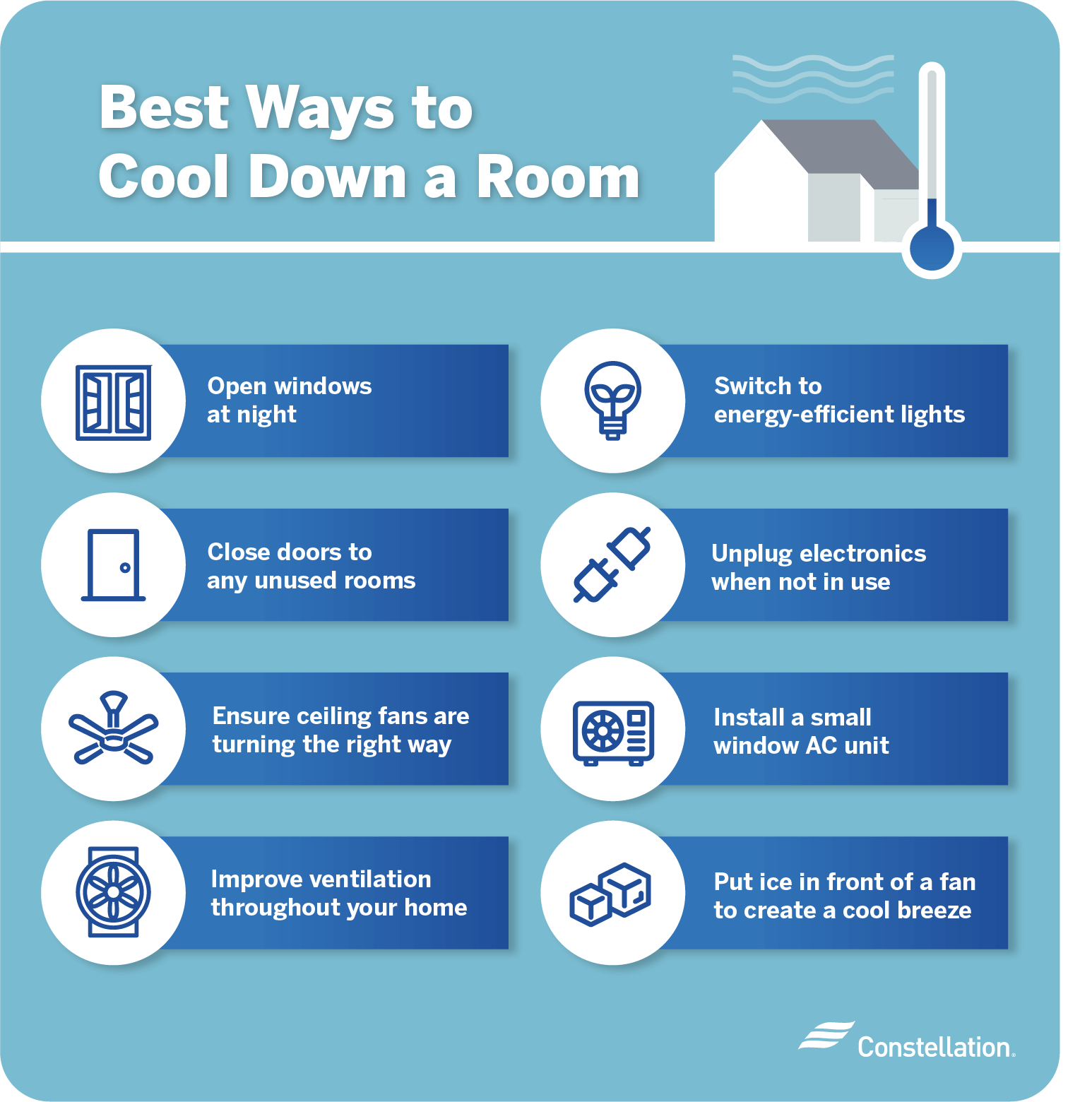
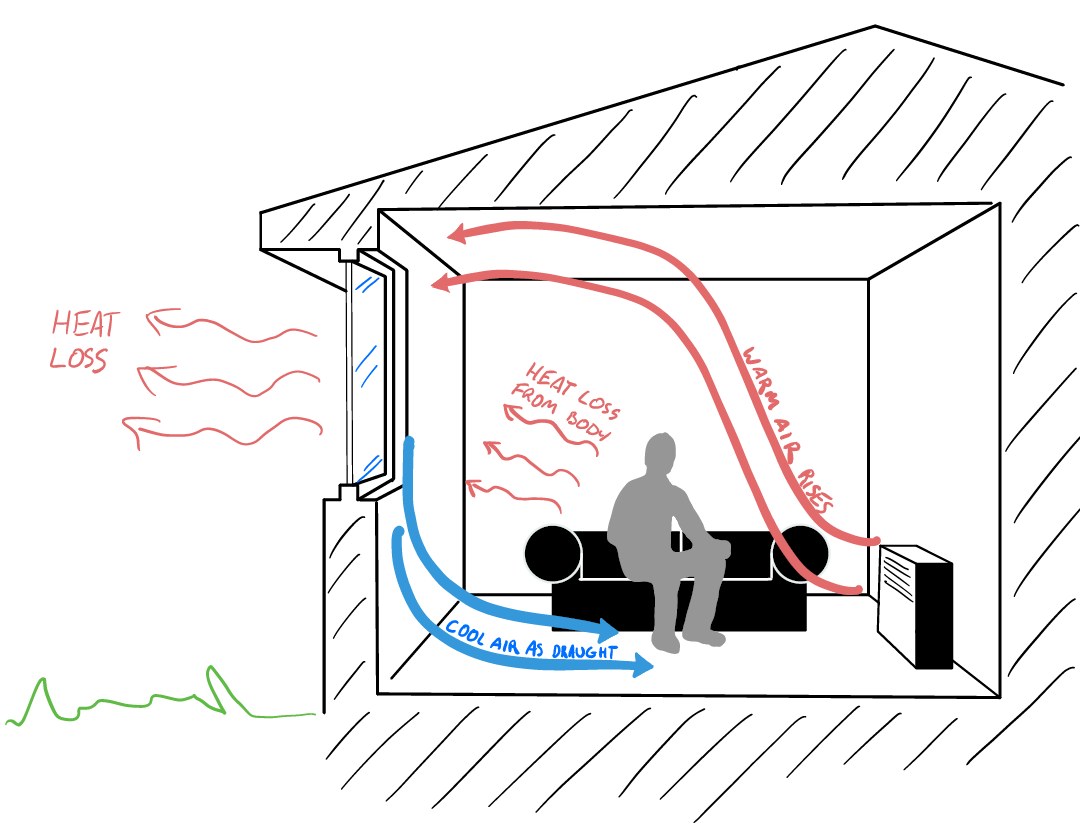
The magic word is ventilation. Think about creating a cross-breeze. If you have windows on opposite sides of a room, or even in different rooms, opening them simultaneously can create a delightful tunnel for air to flow through. Hot air naturally rises and wants to escape, while cooler air will be drawn in. It's like your house is taking a big, refreshing breath!
When is the best time for this great air exchange? Typically, early morning and late evening are your golden hours. That's when the outside air is usually cooler than the air inside your house. Open up, let the cool air in, and kick that stale, warm air out. Then, once the sun starts really cooking, close those windows again (and pull those curtains!) to trap the cooler air inside.
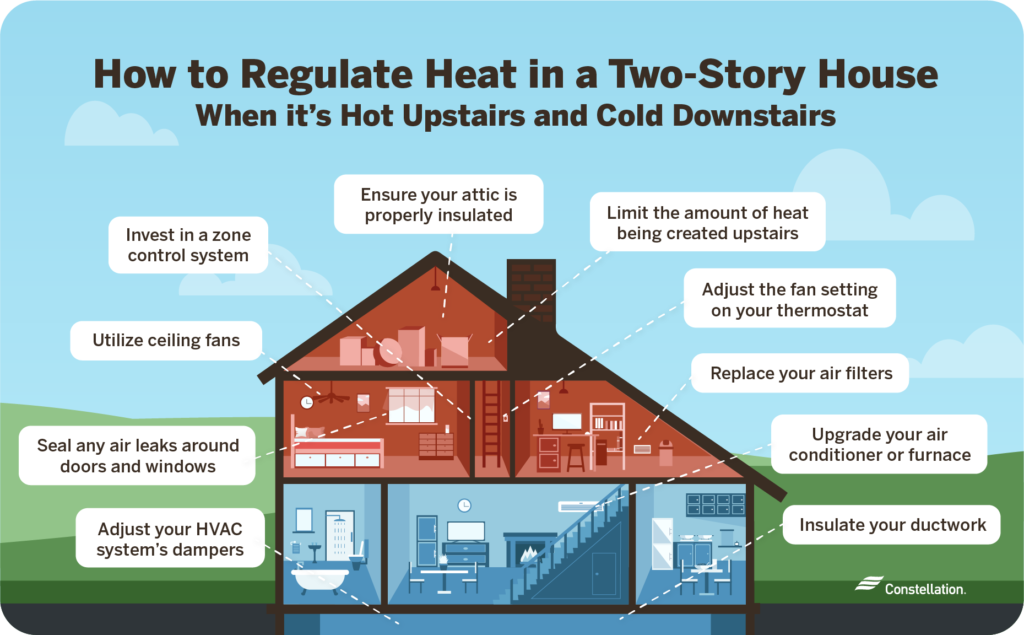
And let’s not forget our trusty fans! A fan doesn’t actually cool the air; it cools you by creating a wind-chill effect. Ceiling fans are fantastic for circulating air throughout a room, gently pushing warm air up and out, or drawing it down. Portable fans can be strategically placed to push hot air out a window, or to draw cooler air in. Imagine a fan near a window, pointed outwards, actively ushering the heat demon out the door!
Unplugged & Unbothered: Taming Internal Heat Sources
This one might seem a bit counterintuitive, but your own household items are often secret little heat generators! Think about it: every light bulb, every charger, every buzzing gadget is converting electricity into… you guessed it, heat! It's like having tiny, silent campfires flickering all around your home.
Let's start with lighting. Those old-school incandescent bulbs? They’re pretty inefficient, producing a lot more heat than light. Swapping them out for LED bulbs is a game-changer. LEDs are incredibly efficient, barely getting warm to the touch. It’s a small change, but if you have a dozen bulbs, that’s a dozen tiny heaters you’ve just defused!
And then there are your electronics. Your TV, computer, gaming console, phone chargers – even when they’re off, many are still drawing a trickle of power and generating a bit of heat. This phenomenon is often called "vampire drain." Unplugging chargers when not in use and turning off electronics at the wall can make a noticeable difference, especially in smaller rooms. It’s like telling all your gadgets to take a siesta and stop radiating warmth into your space.
Cooking is another big one. Using your oven on a hot summer day is basically turning your kitchen into a giant radiant heater. Can you grill outside? Use a microwave? Or opt for cooler, no-cook meals? Embracing salads and sandwiches instead of roasts can save your kitchen (and the rest of your home) from becoming a sweltering inferno.
Cooling Hacks: A Little Ingenuity Goes a Long Way
Want to feel extra clever? There are some neat, low-tech tricks that can give you an edge. Ever heard of evaporative cooling? It’s basically how sweating cools your body. You can mimic this in your room!
Place a bowl of ice water in front of a fan. As the ice melts, the fan will blow air over the cold water, picking up some of that cool moisture and creating a lovely, chilled breeze. It’s like a DIY swamp cooler for pennies! Similarly, hanging damp sheets or towels near an open window can help cool the air as it passes through, though this works best in dry climates.
Even your choice of decor can play a role. Dark colors absorb heat, while lighter colors reflect it. So, if you have dark bedding or heavy, dark rugs, consider swapping them for lighter, breathable fabrics like cotton or linen during the summer months. It's a visual trick that also contributes to a cooler feel.
And don’t forget the power of plants! While they won’t drastically drop the room temperature, plants release moisture into the air through a process called transpiration. This can create a slightly cooler, more humid microclimate around them. Plus, they look great, right? It's like having a little bit of nature's own air conditioning system in your room.
Making a room less hot isn't about one big, grand gesture. It's a combination of these small, thoughtful actions. It’s about becoming a detective, understanding how heat behaves, and then outsmarting it with a bit of casual ingenuity. So, next time your room feels like a tropical rainforest, remember these tips. Experiment, have fun, and enjoy turning your hot spot into a wonderfully cool retreat. Your comfort (and maybe your electricity bill) will thank you!