Ever had one of those brilliant ideas? You know, the kind that hits you while you're washing dishes, or stuck in traffic, or maybe even in the shower (where all the best thoughts seem to breed)? It's a flash of genius, a tiny spark that promises to solve a nagging problem or bring a little more joy into the world. But then what? Most of us just sigh, shrug, and let that fleeting brilliance drift away. But what if you didn't have to? What if you could actually grab that idea and make it… real? Even if "real" initially means "held together by sheer optimism and a prayer"?
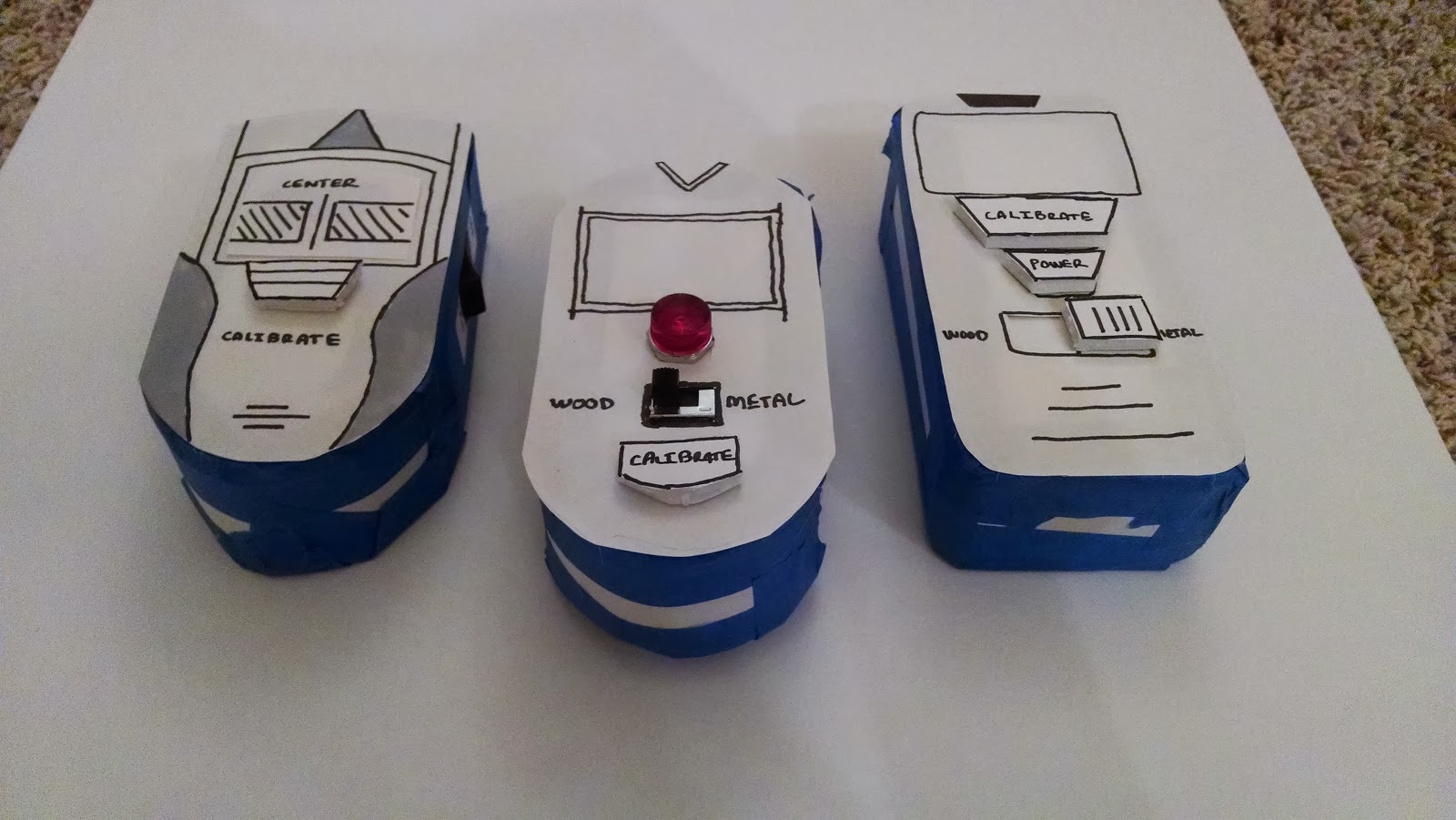
Welcome to the wonderfully wild world of making a prototype product. Now, don't let that fancy word intimidate you. It sounds all high-tech and serious, conjuring images of scientists in lab coats, gleaming machinery, and CAD drawings. Forget all that. At its heart, a prototype is simply the first clumsy, imperfect, glorious attempt to bring your idea into the physical world. It’s the "before" picture for your eventual masterpiece, the scribble that eventually becomes a painting.
The Duct Tape Dreamers
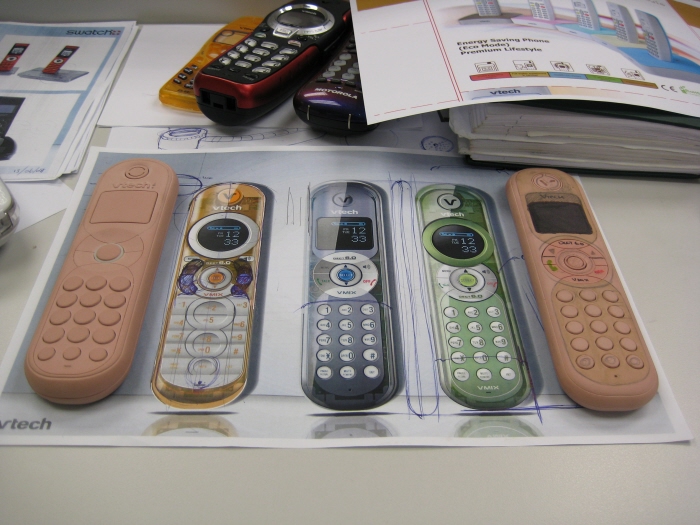
Think about it: before the sleek smartphone in your pocket, there were probably clunky boxes with wires sticking out, barely holding a signal. Before the comfortable chair you're sitting on, someone likely cobbled together a wobbly contraption out of scraps, maybe even injuring themselves in the process (learning is fun!). The beauty of a prototype is that it doesn't have to be perfect. In fact, it's almost better if it isn't. Its job isn't to be pretty; its job is to teach you.
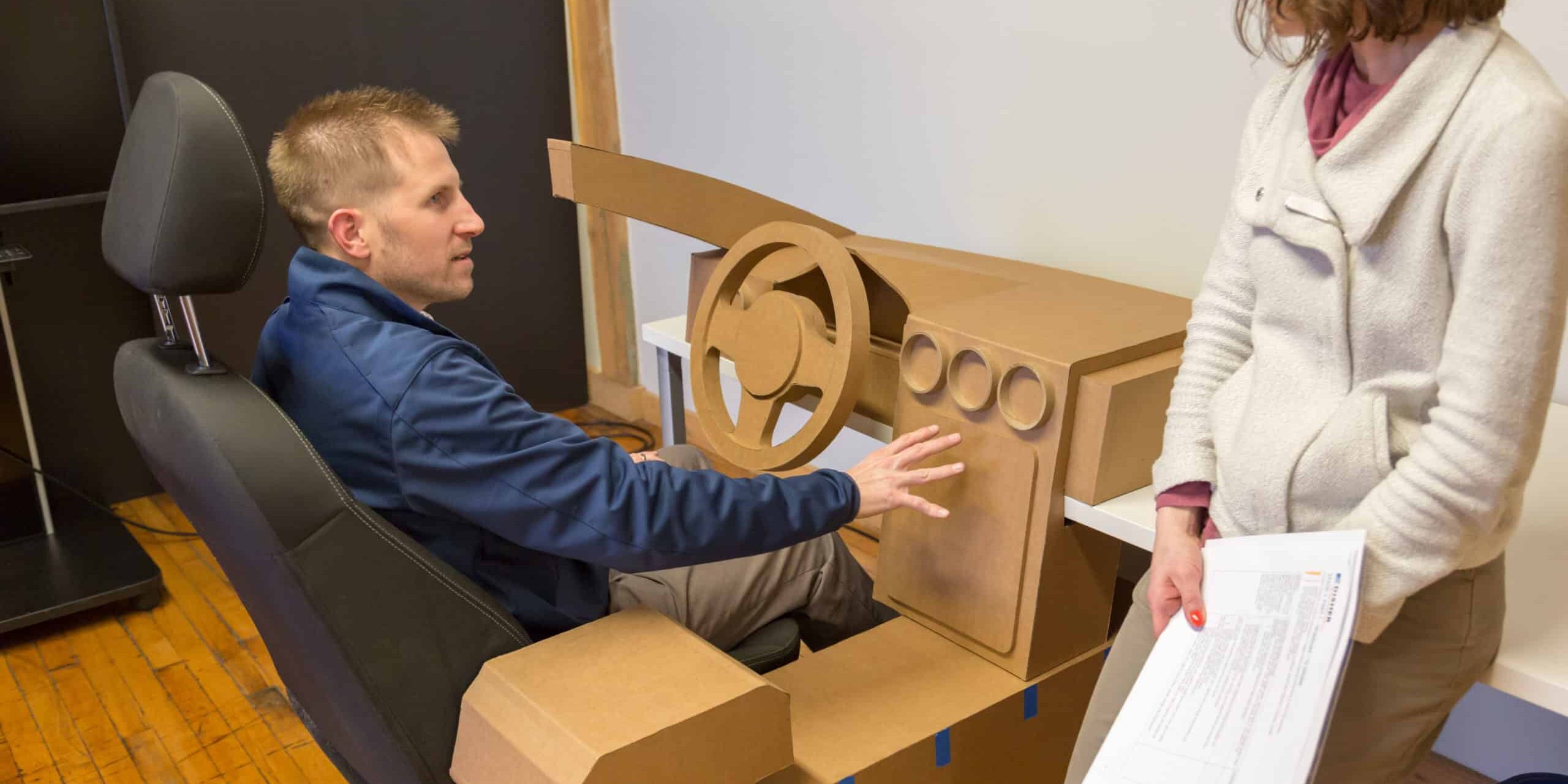
Imagine Sarah, a busy mom who was constantly losing her keys, wallet, and phone in her bottomless purse. Her brilliant idea? A purse organizer that actually stayed organized and illuminated its contents. Her first prototype? A cardboard box cut up and taped together, shoved into an old tote bag. It was ugly. It didn't light up. It technically didn't even "organize" anything beyond separating sections. But when she put her items in it, she realized something crucial: the sections were too narrow for her phone, and the proposed light source would constantly be blocked by her hand. These insights, gleaned from her glorious cardboard mess, saved her countless hours and dollars down the road.
"My first prototype looked like it lost a fight with a recycling bin, but it told me everything I needed to know!" - Sarah, proud cardboard architect
The Messy Middle and The "Aha!" Moment
Making a prototype is often a hilarious journey of trial and error. You'll find yourself raiding the recycling bin for materials, rummaging through your junk drawer for old electronics, or even eyeing your kid's LEGO collection with suspicious intent. The goal is to make something, anything, that vaguely resembles your idea and lets you test its core function. Does it fit? Does it move? Does it, against all odds, actually *do* what you hoped it would do?
Take Mark, for example. He wanted to design a better bird feeder – one that squirrels couldn't outsmart. His initial concept involved a spring-loaded perch. His first prototype was a plastic bottle, some twine, and a spring from an old ballpoint pen, all crudely glued together. The first time he put it out, a squirrel jumped on it, the spring collapsed, and the squirrel promptly devoured all the seeds. Failure? Absolutely! But also a huge success. Mark learned that the spring needed to be much stronger and that the perch needed a different angle of approach. This hands-on, often comical, learning is the true magic of prototyping. It’s less about engineering and more about playful experimentation.
Why Bother with the Cardboard and Hot Glue?
So, why go through all this delightful mess? Because a prototype is a conversation starter. It lets you show people your idea, rather than just try to explain it. It gathers feedback ("I love it, but what if it was purple?" or "This part pinches my finger!") It exposes flaws you never would have seen on paper. And most importantly, it transforms a fleeting thought into something tangible, sparking excitement and momentum.
Think of the Wright Brothers. Their first "prototype" for flight was probably just a strong desire and a lot of observation. Then came kites, gliders, and countless failures, each one teaching them invaluable lessons about lift and control. Their early machines were far from the sleek aircraft we see today, but they were crucial steps.
So, the next time that brilliant idea sparks in your mind, don't let it fade. Grab some cardboard, some duct tape, a glue gun, or even just some crayons and paper. Embrace the glorious imperfection. Make that first clumsy, heartwarming, maybe even hilarious prototype. You never know what amazing thing might come from it. Your inner inventor is just waiting for an excuse to get a little messy.