So, you're about to embark on one of the most exciting (and potentially nerve-wracking!) adventures of your life: buying a house! Congratulations! Finding the perfect place is like winning the lottery, but before you pop the champagne, there's a crucial step: the home inspection. Think of it as your superpower to see beyond the fresh paint and staged furniture, uncovering any hidden gremlins lurking within those walls.
Why is a home inspection so important? Simple: it's your chance to avoid a costly nightmare down the road. Imagine buying your dream home only to discover the roof is about to collapse, the plumbing is a disaster, or the electrical system is a fire hazard. Ouch! A thorough inspection helps you identify these potential problems before you sign on the dotted line, giving you leverage to negotiate repairs with the seller, adjust the price, or even walk away if the issues are too overwhelming.
Okay, so how do you actually inspect a house? Here's a simplified guide to get you started:
1. Hire a Professional: This is non-negotiable! A certified and experienced home inspector is your best friend. They have the knowledge, tools, and trained eye to spot things you'd likely miss. Don't skimp on this – it's an investment in your peace of mind.
2. Attend the Inspection: Don't just hand over the keys and disappear! Walking through the property with the inspector allows you to ask questions, see the issues firsthand, and understand the severity of each problem. It's a learning experience!
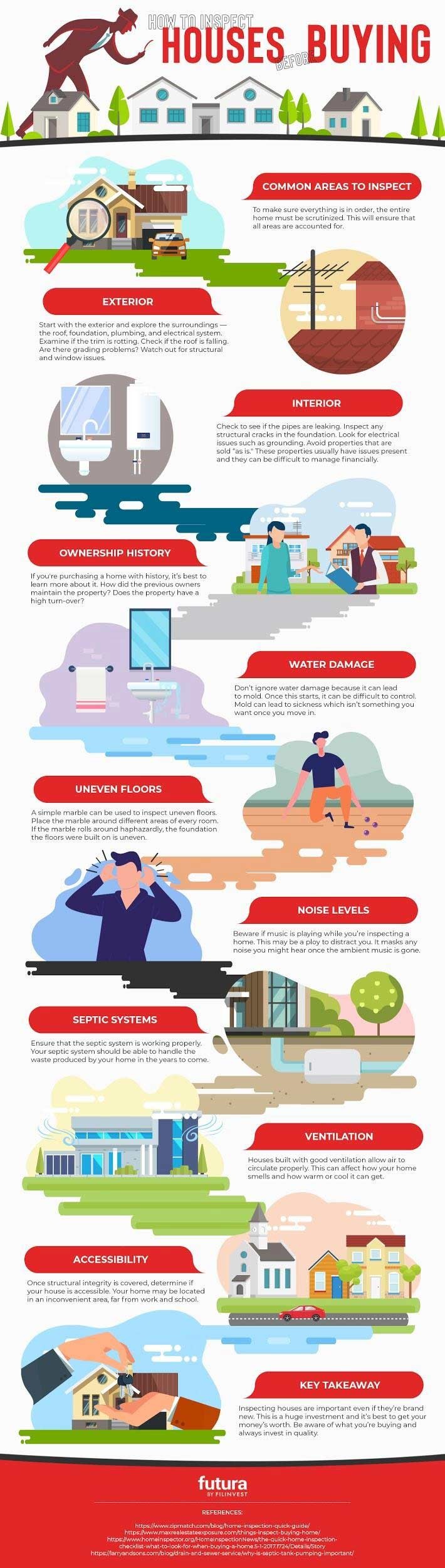
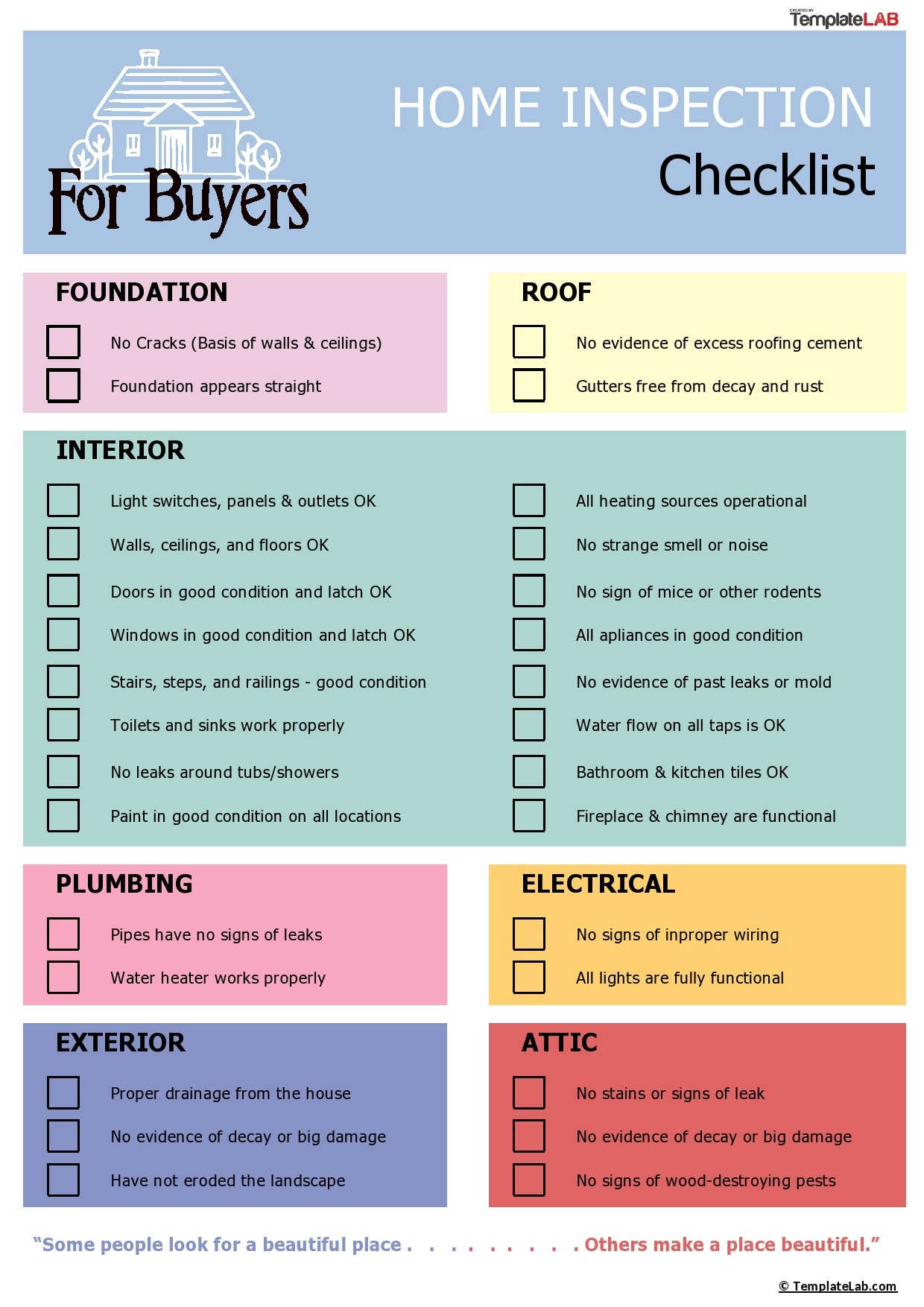
3. Focus on the Big Stuff: While the inspector is doing their thing, pay particular attention to these key areas:
- The Foundation: Look for cracks, water damage, or signs of shifting. A solid foundation is essential for a stable home.
- The Roof: Check for missing shingles, leaks, and the overall condition. A leaky roof can lead to a cascade of problems.
- The Plumbing: Test the water pressure, look for leaks under sinks and around toilets, and ask about the age and condition of the pipes.
- The Electrical System: Ensure the wiring is up to code, the outlets are grounded, and the electrical panel is in good working order. Safety first!
- The HVAC System: Check the age and condition of the furnace and air conditioner. Are they functioning efficiently?
4. Ask Questions! Don't be afraid to ask the inspector anything and everything. Clarify any concerns you have about the property. A good inspector will be happy to explain their findings in detail.
5. Review the Report Carefully: The inspector will provide you with a written report detailing their findings. Read it thoroughly! Highlight any areas of concern and discuss them with your real estate agent and, if necessary, the inspector themselves.
A home inspection isn't about finding a perfect house (they don't exist!). It's about understanding the condition of the property and making an informed decision. So, arm yourself with knowledge, choose a qualified inspector, and get ready to uncover the secrets hidden within your potential dream home! With a little diligence, you can ensure your happily-ever-after starts on a solid foundation.