Ever found yourself huddled under a blanket, watching your breath mist in the morning air, and simultaneously wincing at the thought of the heating bill? What if I told you there’s a whole world of fascinating, surprisingly simple tricks and insights into keeping your home wonderfully warm without emptying your wallet? Exploring how to heat a house cheaply isn't just about being frugal; it's about becoming a bit of a home scientist, a detective figuring out the secrets of warmth, and ultimately, creating a truly *cozy and efficient* living space. It’s a rewarding quest that marries common sense with a touch of physics, making your home not just warmer, but smarter too.
The core purpose of this journey is to empower you with the knowledge to manage your home’s temperature more effectively. The benefits are crystal clear: you’ll save a significant amount of money on energy bills, reduce your environmental footprint by using less energy, and enjoy a more consistent, comfortable living environment. It’s about understanding the nuances of heat transfer – how heat moves, where it escapes, and how to keep it right where you want it. Think of it as mastering the *gentle art* of retaining warmth, rather than just endlessly generating it.
This isn't just theory; it plays out in various aspects of our lives. In an educational context, understanding home heating taps directly into concepts like convection, conduction, and radiation – fundamental principles taught in physics classes. It also touches on economics, teaching us about budgeting and the real-world cost of energy. In daily life, this knowledge helps us make informed decisions: knowing when to open or close curtains, understanding the impact of drafts, or even deciding if that extra sweater is more effective than cranking the thermostat. It turns everyday choices into opportunities for efficiency.
So, how can you start exploring this fascinating world? Here are some practical, simple ways to begin:
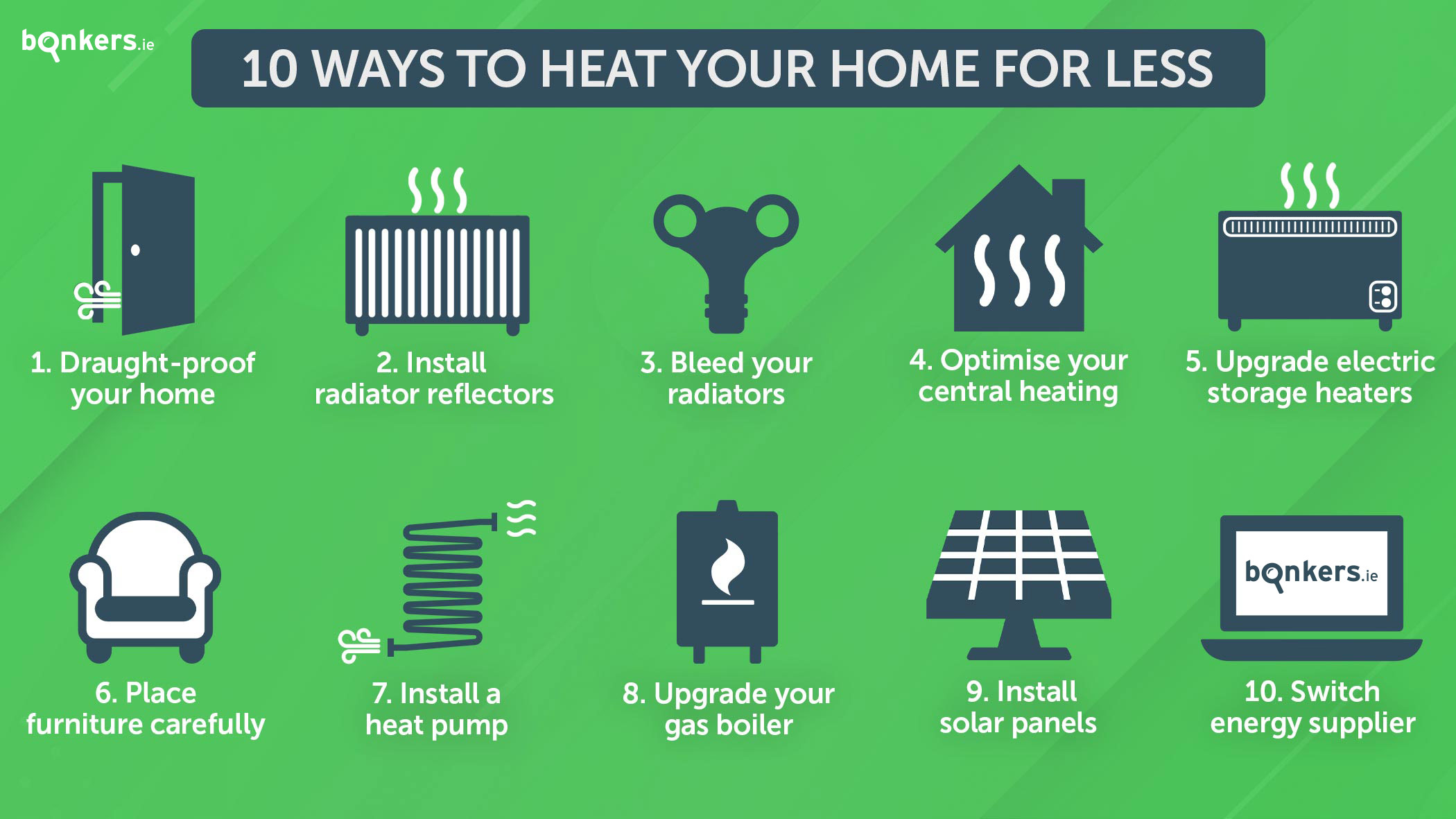
First, become a draft detective. On a windy day, gently move a lit candle or a piece of tissue paper around your window frames, door frames, and electrical outlets. If the flame flickers or the tissue dances, you’ve found a heat escape route! Simple fixes like *weatherstripping* or a rolled-up towel at the bottom of a door can make an immediate difference. Second, harness the power of the sun: in winter, open curtains and blinds on south-facing windows during the day to let natural sunlight stream in and warm your rooms. As soon as the sun starts to set, *close them tight* to create an insulating layer and trap that warmth inside.
Another easy win is to use your oven wisely. After baking or cooking, simply leave the oven door ajar (once it's off and safe!) to let the residual heat gently waft into your kitchen, providing a *free burst of warmth*. Finally, think about strategic layering – not just for yourself, but for your home. Thick curtains, rugs on bare floors, and even moving furniture away from exterior walls can create insulating barriers. These aren't just about saving money; they're about embracing a more conscious, comfortable, and ultimately, smarter way of living. Happy warming!