Imagine a little mystery afoot, right in your driveway. Your beloved car, usually so straightforward, might be trying to tell you a secret. It’s not a dramatic spy thriller, but a quiet whisper that only a keen observer can catch.
This adventure begins not with gadgets, but with your very own senses. Think of yourself as a super-sleuth, tuning into the subtle language of your four-wheeled companion. It’s an engaging game of detection, and you’re the star detective.
The Nose Knows Best
Your most powerful tool in this delightful quest is right on your face: your nose! Gasoline has a truly distinctive aroma, a smell that often evokes memories of road trips and adventures. But when that familiar scent becomes a bit too assertive, a bit too strong, it’s time to pay attention.
It’s like smelling freshly baked cookies, but then realizing the cookies are actually *everywhere* in the house, even where they shouldn't be. That cloying, sometimes sweet, sometimes slightly acrid scent hanging heavy in the air is your first big clue. It's a noticeable hum in the symphony of everyday smells.
Take a gentle stroll around your car, much like a gourmet chef evaluating ingredients. Start near the back, where the fuel tank often resides, then move towards the sides, and finally the front. Is the aroma stronger in one particular spot?
Sometimes, the smell is fleeting, a quick waft that disappears as fast as it came. Other times, it's a constant, lingering presence, a bold statement your car is making. Listen, or rather, *sniff*, carefully for these subtle shifts.
Don't be afraid to gently lean in, almost as if you’re trying to hear a secret whispered confession. Your nose, in this scenario, becomes a highly trained sniffer dog, expertly pinpointing the source of an unusual odor. It's truly surprising how reliable our primal senses can be.
You might even discover a new appreciation for the complex world of automotive scents. Who knew a potential problem could turn into such an engaging sensory experience? It’s all part of understanding and caring for your mechanical friend.
The Eyes Have It: A Visual Scavenger Hunt
Once your nose has given you a hint, it's time for your eyes to join the detective team. This step is like a visual scavenger hunt, where you're looking for tiny, tell-tale signs on the ground or on the car itself. Think of it as finding clues in a playful mystery novel.
The most obvious clue? A puddle. Not just any puddle, but one that might have an iridescent, rainbow-like sheen on its surface. Gasoline, when it mixes with water, often creates this magical, colorful display. It’s beautiful, yes, but also a serious signal.
Look under your car, especially after it's been parked for a while. Are there fresh, dark spots appearing where there weren't any before? These spots might be oil, but they could also be the tell-tale sign of fuel making an unexpected exit.
Don’t forget to peek at the fuel tank area, usually located under the rear of the car. Are there any wet spots or drips directly from the tank or its connecting lines? These spots often look darker, almost greasy, and are usually quite obvious.
Sometimes, you might see stains on the fuel lines themselves, which are thin hoses running along the underside of your vehicle. These lines carry fuel from the tank to the engine. Any dampness or discoloration here is a big red flag.
It's truly a rewarding moment when your eyes catch that tell-tale shimmer or that unexpected wet spot. It’s like discovering a hidden gem, or solving a particularly tricky puzzle. That moment of clarity is quite satisfying, a little burst of triumphant relief.
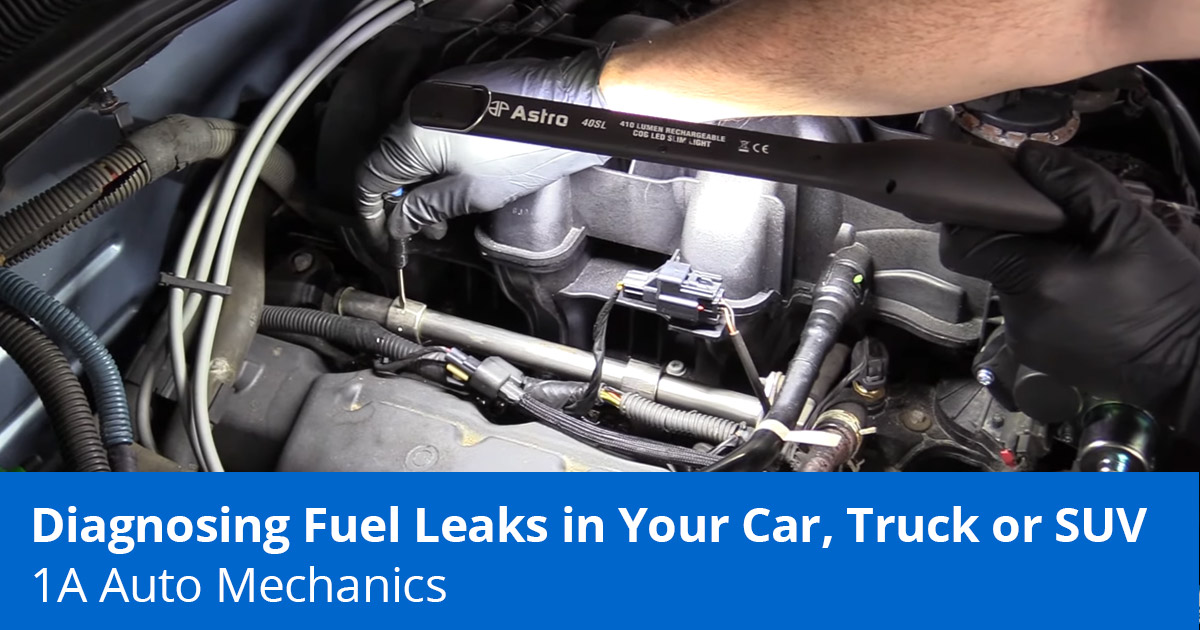
A flashlight can be your best friend here, illuminating the shadowy nooks and crannies where leaks might hide. Shining a light can reveal drips that would otherwise go unnoticed, making your visual inspection even more thorough.
This visual inspection isn't just about finding problems; it's about developing a keen eye for your car's overall well-being. You become more attuned to its usual appearance, making anomalies stand out. It’s a wonderful way to foster a deeper connection with your ride.
The Gentle Touch: Feeling for Secrets
Now, for a very careful and gentle part of our detection game: the touch test. This is not about poking or prodding anything forcefully, but rather a soft, observational approach to feeling for dampness. Remember to always make sure your car has cooled down completely before attempting this.
With your vehicle safely off and cool, you can gently run your gloved hand around suspected areas, especially hoses and connections that carry fuel. You're feeling for any unexpected dampness or slickness. It’s like giving your car a very careful, investigative pat-down.
Pay close attention to the texture. Does something feel unusually slick or wet? Is there a residue left on your fingers that smells like gasoline? These are subtle clues that your hands, working in tandem with your nose and eyes, can uncover.
This step requires a light touch, almost a caress, as you try to sense any irregularities. The goal is to detect moisture without disturbing anything. It's a delicate dance between observation and interaction, a truly hands-on way to understand your car better.
Finding a damp spot with your fingertips can feel surprisingly profound. It’s a direct, tactile connection to the car's state, giving you a tangible piece of evidence. This physical interaction deepens your understanding, turning abstract ideas into concrete sensations.
It's heartwarming in a way, connecting with your car through touch, showing it that you’re paying close attention to its needs. This gentle inquiry builds a silent rapport, affirming your role as a diligent caretaker.
The Bubble Bath Bonanza: A Foamy Clue
Here’s where things get really fun, a bit like a science experiment meets a spa day for your car! For a truly ingenious way to spot elusive leaks, grab a spray bottle, some dish soap, and water. Mix them together until you have a good, soapy solution.
With your car cooled down and off, spray this bubbly concoction onto any suspected fuel lines, connections, or parts of the fuel tank that you can safely access. It's like giving your car a tiny, investigative bubble bath.
Now, watch closely! If there's a leak, you'll see tiny, enthusiastic bubbles starting to form and grow, much like miniature volcanos erupting. It's a truly delightful and surprising visual confirmation, a clear indicator that something isn't quite right.
These effervescent little bubbles are the absolute superstars of gas leak detection. They make the invisible visible, turning a hidden problem into a clear, undeniable demonstration. It’s genuinely fascinating to witness such a simple trick yield such powerful results.
The sight of these active, persistent bubbles can be almost humorous, a dramatic little performance put on by escaping fuel vapors. It’s a testament to the power of simple physics and a common household item. Who knew dish soap could be such a detective?
This method is particularly effective for tiny, almost imperceptible leaks that might not produce obvious drips or smells. It’s a charming, gentle way to coax out the truth, making the whole process feel less intimidating and more like a playful challenge.
The satisfying moment when those bubbles appear is a mini-celebration of ingenuity. You’ve used a bit of wit and a splash of soap to uncover a secret. It’s a clever approach that empowers anyone to be a bit of a car whisperer.
Listening to Whispers and Seeking Sage Advice
Sometimes, your car offers auditory clues, subtle whispers that can point to trouble. With the engine off and everything quiet around you, listen intently for any faint hissing sounds near the fuel tank or under the car.
A soft hiss, almost like a tiny snake, could indicate escaping vapor. It requires a quiet environment and a focused ear, but if you hear it, it’s another strong piece of evidence for your detective file. Your ears become finely tuned instruments.
Finally, remember that while playing detective is fun and empowering, knowing when to call in a professional is always the smartest move. If you find a leak, or even suspect one but can't pinpoint it, a skilled mechanic is your ultimate ally.
Think of them not just as repairmen, but as highly experienced "car whisperers" or "super sleuths" with advanced tools and knowledge. They can confirm your findings and safely fix the issue, bringing peace of mind back to your driving adventures.
There’s a deep satisfaction in understanding your car better, even if it means discovering a problem. It’s a heartwarming connection, knowing you’re tuned into its needs and ready to help. This journey of discovery isn't just about gas leaks; it's about building a trusting relationship with your vehicle, ensuring many more happy miles together.
This journey of discovery isn't just about finding a leak; it's about building a trusting relationship with your vehicle. It’s about being observant, a little clever, and ultimately, caring for your trusty steed.
So, the next time your car gives off an unusual scent, embrace the detective within. You might be surprised at what your senses, a little soap, and a keen eye can discover. It’s a fun, engaging way to keep your ride happy and healthy.