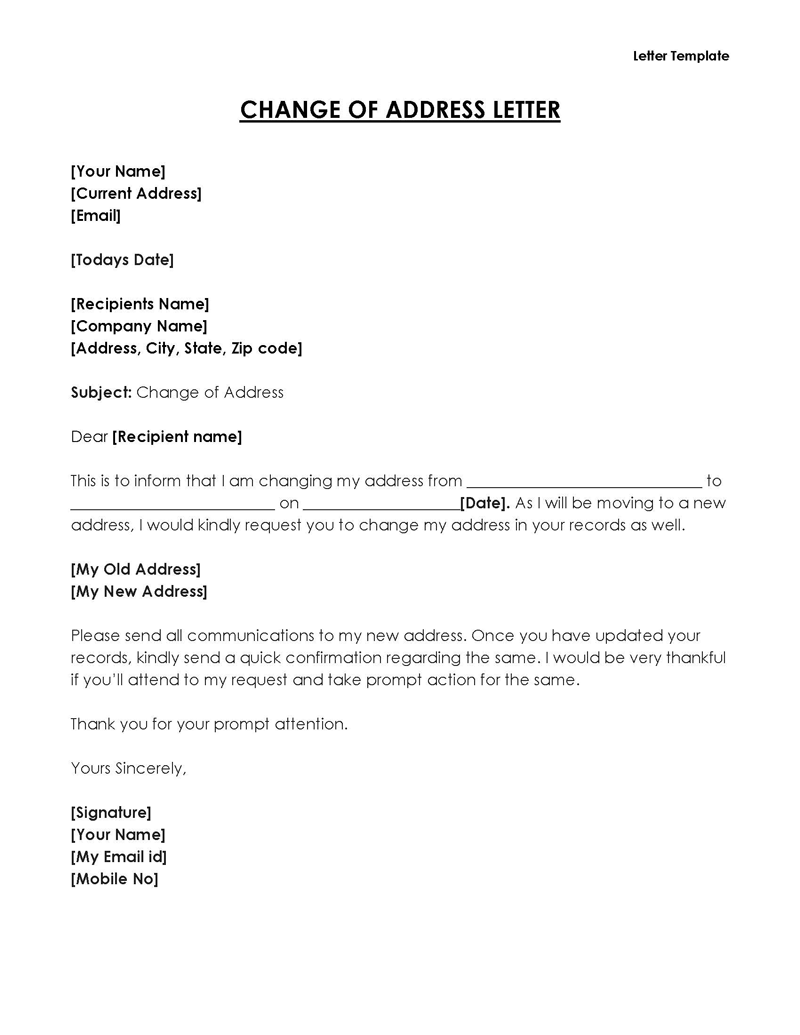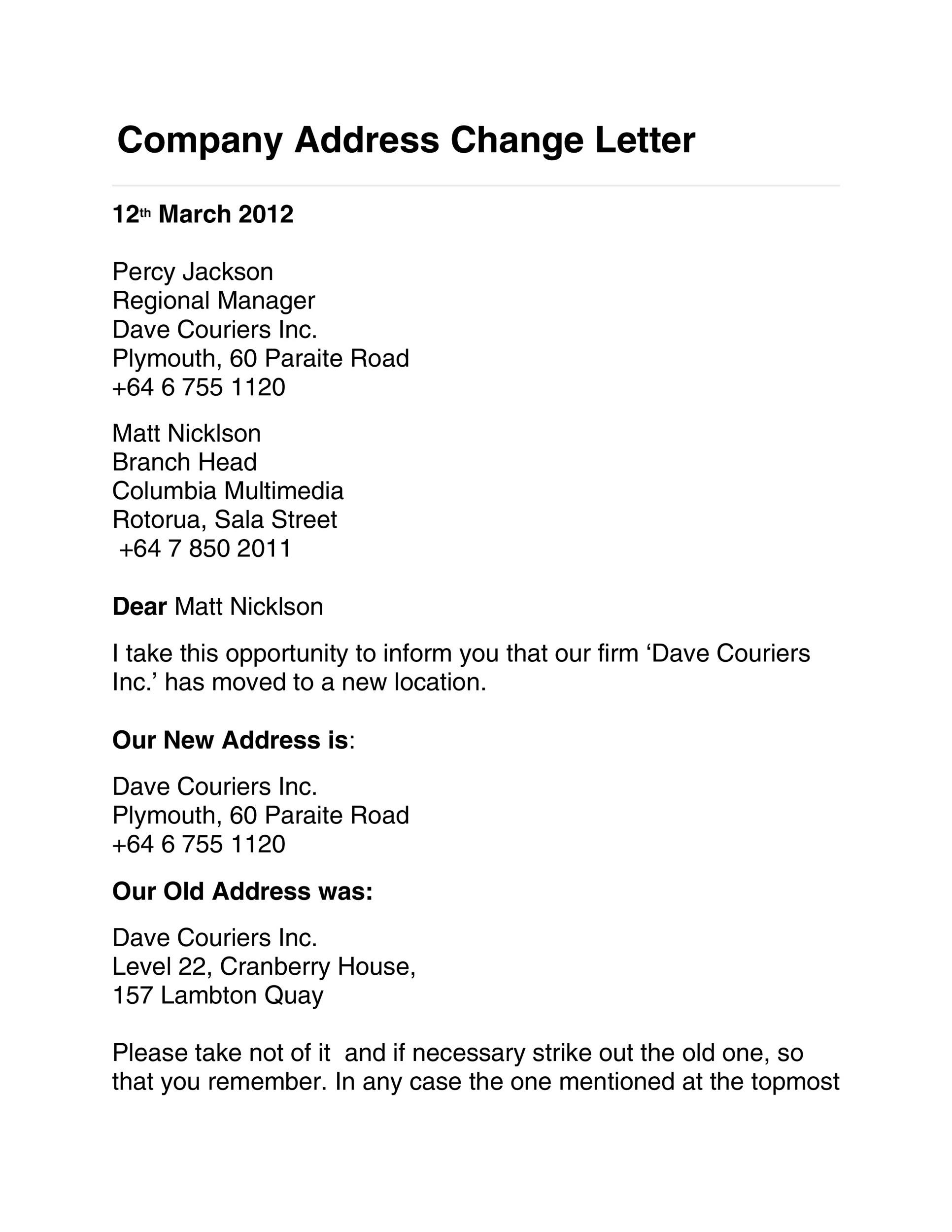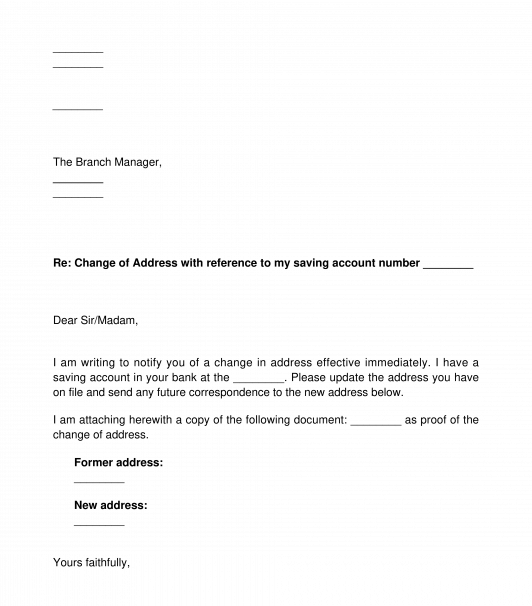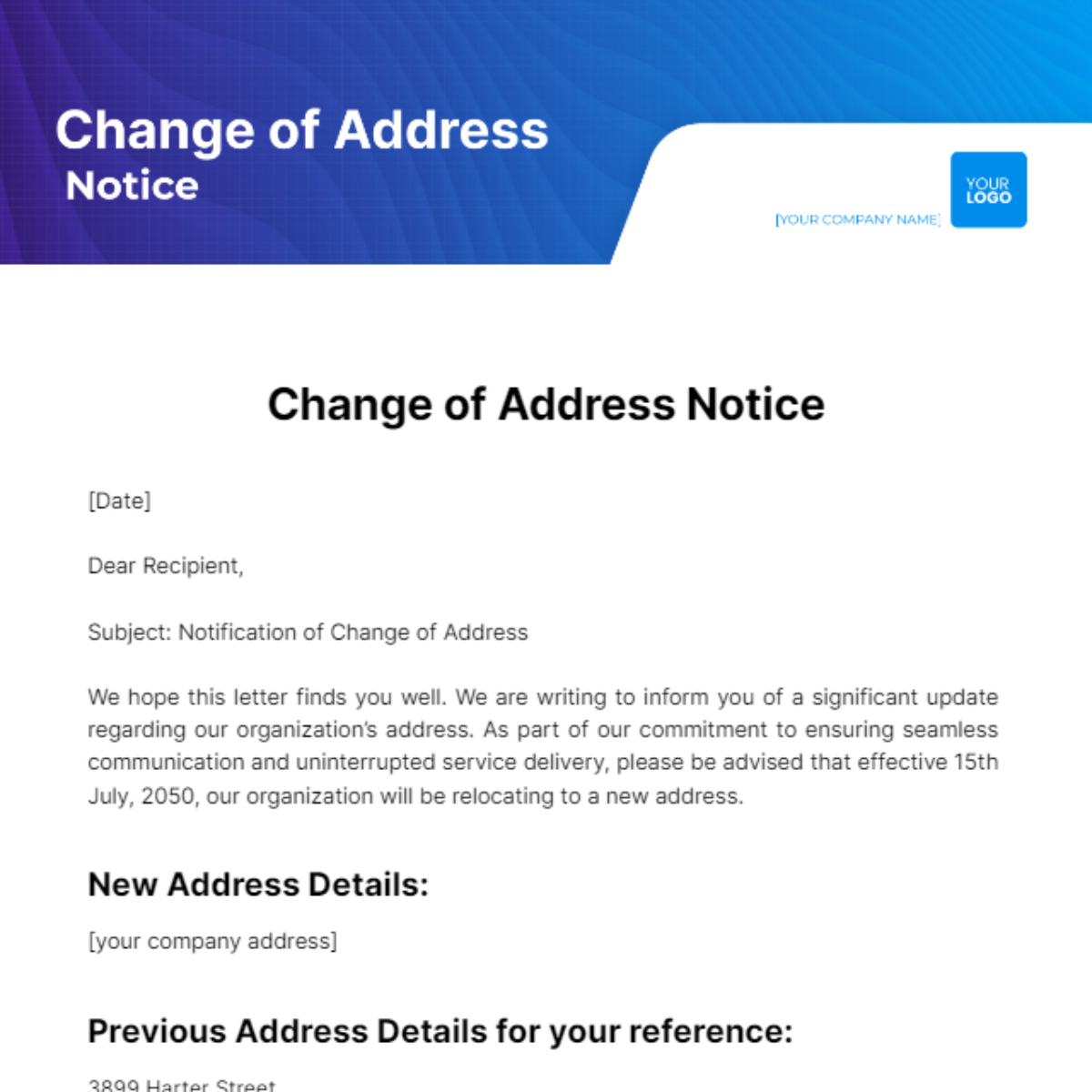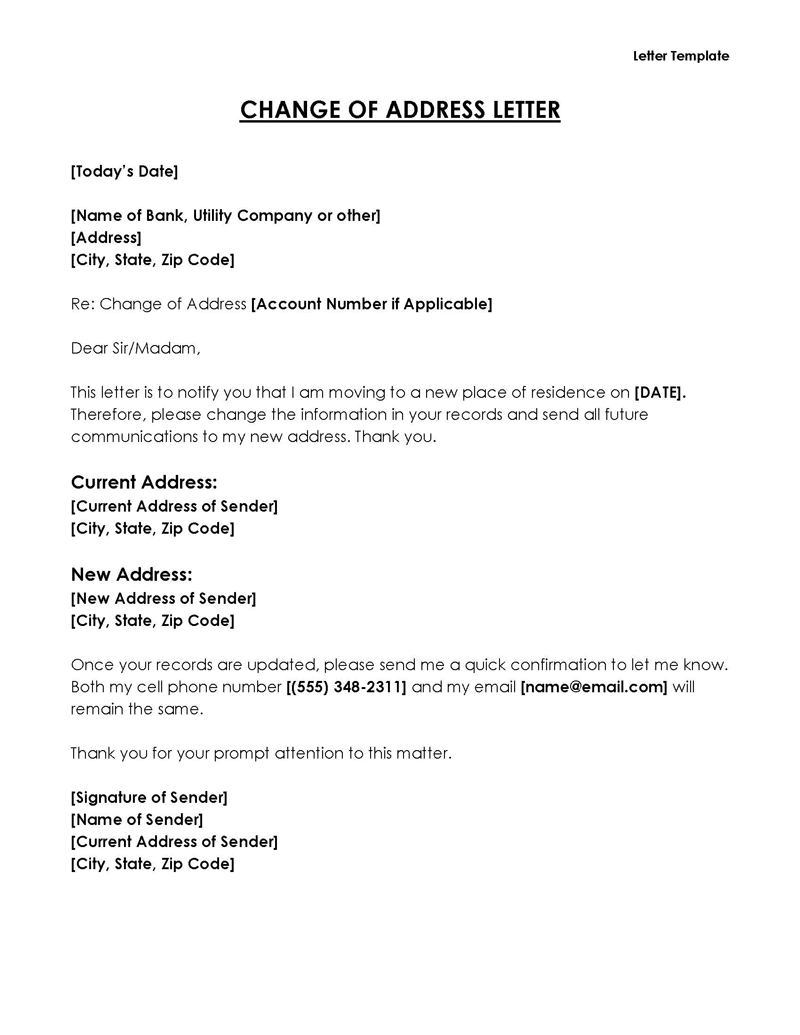
Alright, so you’ve just moved, or you’re about to. The boxes are everywhere, your back aches, and you’re pretty sure you packed the coffee maker with the garden gnome collection. Amidst all this beautiful chaos, there’s one little task that often gets overlooked until you realize your important mail is going on a solo adventure to your old address: the dreaded, yet utterly essential, change of address.
Think of it as telling the world, "Hey, I've relocated my personal command center!" It’s not just about getting your Netflix DVD (do people still do that?) but about keeping your life humming along smoothly. Because let's be real, nobody wants their credit card statements ending up in the hands of the lovely new folks who just moved into your former abode, do they? That's just inviting a comedy of errors, or worse, a genuine headache.
Why Bother? Because Ghost Mail is Real!
Seriously. Have you ever had a package that just… disappeared? Or a bill you swore you never received? That, my friend, is often the work of ghost mail, haunting your old mailbox. Not updating your address can lead to all sorts of shenanigans: missed bills, expired registrations, important medical notices vanishing into the ether. It’s like playing hide-and-seek with your own life, and trust me, your sanity will lose.
Imagine your driver's license expiring because the renewal notice went to your old place. Or worse, a new bank card gets delivered, and the new residents accidentally "find" it. It’s not just an inconvenience; it can be a security nightmare. So, let’s tackle this beast with a smile and a strategy, shall we?
Who's On Your "Tell 'Em I Moved!" List?
This isn't just a one-and-done deal. It's more like a treasure hunt, but instead of gold, you're finding all the places that need to know your whereabouts.
1. The Postal Service: Your First Stop
This is the big one, the head honcho, the grand central station of your mail. In the US, it's the USPS. In the UK, Royal Mail. Canada Post in Canada. They offer a mail forwarding service, which is like a temporary bodyguard for your letters, redirecting them from your old address to your new one. It's a lifesaver for catching anything you forget to update. Do this first. It’s your safety net.
2. Your Bank & Credit Card Companies: Guard Your Gold
This is paramount. Your financial institutions need to know where you live. Not just for statements, but for fraud alerts, new card deliveries, and general account security. Imagine trying to use your card and it gets declined because the bank thinks you're on a spontaneous international trip when you're just at the grocery store down the road from your new house. Awkward!
3. Utility Providers: Keep the Lights On (Literally!)
Electricity, gas, water, internet, trash collection – all those glorious services that keep modern life comfortable. You’ll want to arrange for your old accounts to be closed (or transferred to the new residents) and new accounts opened or transferred to your new address. Don't want to find yourself in the dark on moving day, do you? Unless it's a romantic, candlelit dinner with takeout. Then, maybe.
4. Insurance Companies: Protecting Your Precious Cargo
Car insurance, home insurance, health insurance – these folks need your current address. Your premiums can actually change based on your location, and more importantly, if you ever need to make a claim, they need to know where you actually live and where your insured items are located. It’s like making sure your superhero costume is registered at the correct Batcave.
5. Government Agencies: The Official Stuff
Think about your driver's license/ID (DMV/DVLA), vehicle registration, voter registration, and tax office (IRS/HMRC). These are often forgotten until you're trying to vote or renew your license and realize your address is three houses and a city ago. Future you will thank current you for getting this sorted.
6. Subscriptions & Services: Your Entertainment & News Fix
Magazines, streaming services that still send physical mail, loyalty programs, online shopping accounts (Amazon, etc.). While many are digital, some still send physical mail or use your address for targeted offers. Plus, you don't want your new neighbors getting your highly anticipated gourmet cheese-of-the-month club delivery. That's just rude.
7. Your Doctor & Other Professionals: Health & Wellness
Dentist, doctor, optician – anyone in your medical network. Keeping them updated ensures you receive appointment reminders, lab results, and any other important health-related communications. You wouldn't want to miss a check-up because the reminder went to the wrong house, right?
The How-To: A Gentle Nudge Towards Action
Now that you know who to tell, let's talk about how.
Make a list: Seriously, grab a notebook or open a spreadsheet. List every single entity you can think of that sends you mail or needs your address. Go through your mail pile from the last month for ideas.
Timing is everything: Start updating addresses a couple of weeks before your move, especially for critical ones like the postal service and utilities. This gives everything time to process.
Online is your friend: Many places allow you to update your address online. It’s usually quick and painless. For others, a quick phone call will do the trick.
Confirm, confirm, confirm: After updating, keep an eye out for confirmation emails or statements with your new address. It’s like double-checking your treasure map before you dig.
The Sweet Victory of Done
Once you've navigated this glorious labyrinth of address changes, take a moment. Breathe. You've conquered a small, but mighty, administrative mountain. Your mail will arrive, your bills will be paid, and your identity will remain securely yours.
And the next time you get a letter addressed to your new place, you can smile, knowing that you, the master of relocation, have successfully told the world, "I'm here! Send all the cool stuff this way!" Good job, you!