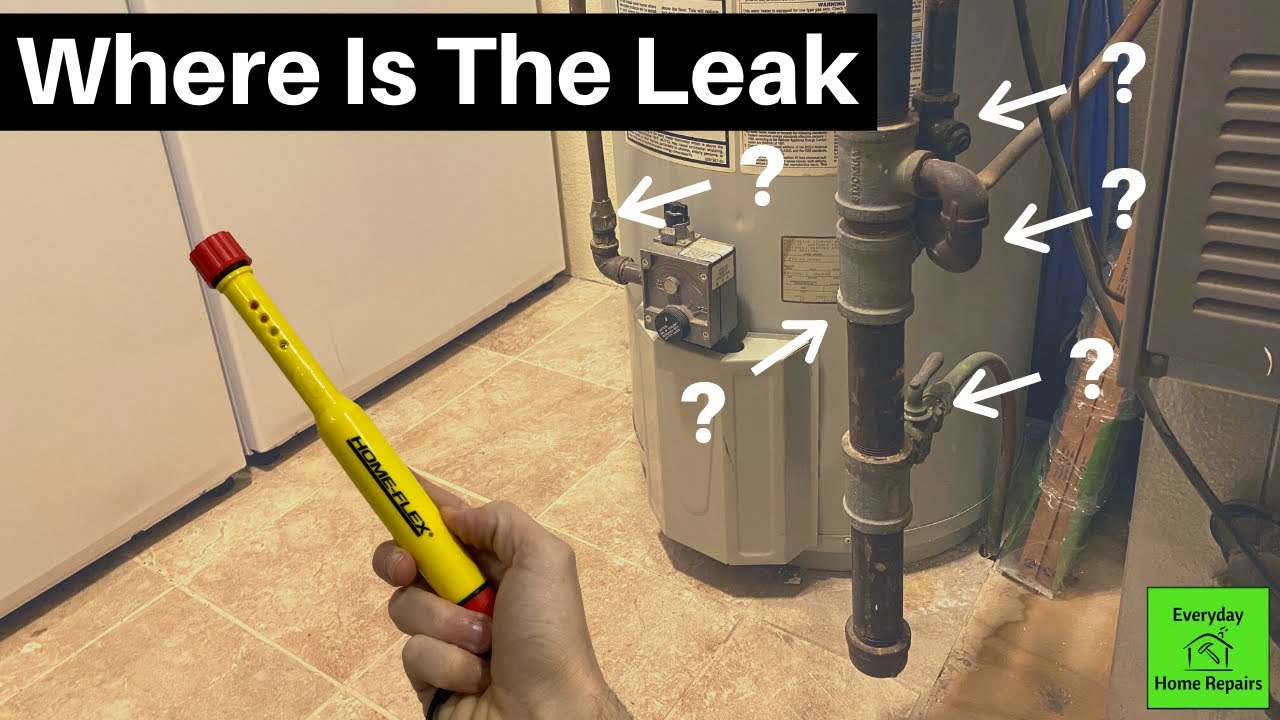
Alright, so we're having coffee, right? And maybe, just maybe, the conversation drifts to something a little less fun than cute dog videos. We're talking about gas leaks. I know, I know, *buzzkill*, but trust me, it’s one of those things you just gotta know. Like, knowing how to change a tire, but way less greasy and significantly more explosive if you get it wrong. Yikes!
The good news? Spotting a gas leak is usually pretty straightforward. It’s not like trying to find that one missing sock. No, this is more about tuning into your senses. Think of yourself as a super-sleuth, but instead of trench coats, you're just using your nose, ears, and maybe, just maybe, some bubbles. Let’s dive in, shall we?
Your Nose Knows: The Famous Smell Test
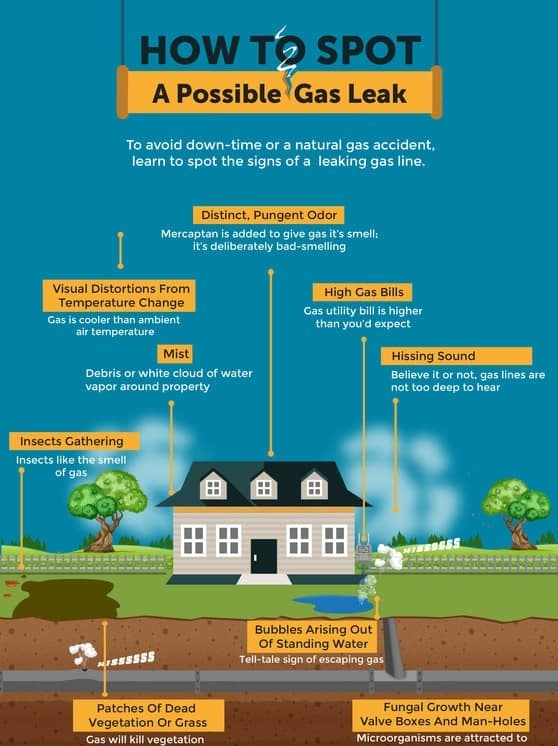
This is probably the most famous one, and for good reason. Natural gas, in its raw form, is actually odorless. Wild, right? But utility companies are smart. They add a harmless chemical called mercaptan to it, which smells like… well, it smells like a *really, really bad* rotten egg. Or maybe like sulfur mixed with despair. You get the picture.
So, step one, and probably the *most important* step, is to simply sniff around. If you walk into your kitchen, or your basement, or anywhere gas lines might be, and you catch a whiff of that unmistakable rotten egg stench, your internal alarm bells should be going off. Don’t ignore it! It’s not just your lunch going bad; it could be something much more serious.
Is it faint? Is it strong? Doesn't matter. Any hint of that smell means you should pay attention. Your nose is your first, best defense here. It's like your personal gas leak detector, built right in!
Listen Up: Hearsay Can Be Real
Beyond the ol' sniff test, sometimes you can actually hear a gas leak. Picture this: silence in the house, maybe the hum of the fridge, and then suddenly, a soft, persistent hissing sound. Kinda like a sneaky snake, but less slithery and more… pressurized. This could be gas escaping from a pipe or a connection.
It might be a subtle hiss, or if it's a bigger leak, it could be a more noticeable whistling or roaring sound. If you're near a gas appliance – your furnace, water heater, stove – and you hear something that just doesn’t sound right, something like air being let out of a tire (but inside your house!), then pause and investigate with your ears. Listen carefully. Sometimes, your ears pick up on things your nose hasn't quite registered yet.
The Eyes Have It (But Be Careful!): Visual Clues
Okay, this one requires a bit more caution. For *small, suspected* leaks, especially around connections on outdoor appliances or gas lines, you can do the soapy water test. Mix some dish soap with water to create a really sudsy solution. Then, gently apply it to the suspected area with a brush or sponge.
If you see bubbles forming and growing, kinda like a mini science experiment, then you’ve likely found your leak! The gas escaping will push through the soapy water and create those tell-tale bubbles. It's a neat trick for finding those sneaky, tiny leaks that might not make much noise or smell very strong. But remember, this is for *small, controlled* checks. If you smell a strong leak, you are not touching anything!
Also, keep an eye out for any obvious physical damage to gas lines or meters. Are they bent? Corroded? Is there dirt or debris around an outdoor line that looks disturbed? Sometimes, visible signs can give you a clue, especially after something like a storm or construction nearby.
What NOT to Do (Seriously, Don't Do It!)
Alright, this part is super crucial. If you suspect a gas leak, especially a strong one:
- DO NOT turn lights on or off.
- DO NOT use any electrical appliances.
- DO NOT use your phone inside the house.
- DO NOT light matches or candles. (Duh, right? But sometimes panic makes us forget.)
- DO NOT try to find the source yourself or fix it. You’re not a gas technician, buddy.
Why all the "do nots"? Because a spark, any spark, from a light switch to a phone ringing, can ignite accumulated gas. And that, my friend, is a recipe for a very, very bad day.
What TO Do (Get Out, Call In!)
So, you’ve done your detective work, and you’re pretty sure there’s a gas leak. What next? Simple:
- Get out! Immediately! Take everyone with you, including pets.
- Once you’re *outside and a safe distance away*, call your gas company’s emergency line. Don't dial 911 unless there's an immediate danger like a fire or explosion already happening. The gas company is equipped to handle gas emergencies directly.
- Wait for the pros. They know exactly what to do to make everything safe again.
See? Not so scary when you know what to look for and, more importantly, what to do. Being aware is half the battle. So, next time you smell something funky, don't just assume it's yesterday's leftovers. Trust your senses, act fast, and stay safe out there!