Hey there, friend! Ever been plunged into sudden darkness, feeling like you’re starring in your own low-budget horror flick, just because the power decided to take an unannounced vacation? Your fridge starts sweating, the internet dies (gasp!), and suddenly, that phone flashlight feels less like a beacon of hope and more like a sad, dim whisper of a happier time.
Well, what if I told you there’s a way to tell those unexpected outages, "Not today, darkness! Not today!"? We're talking about a home generator, folks. It's like having a superpower for your house, ready to kick in when the grid decides to take a nap. And guess what? Buying one doesn't have to be a headache. Let's make it fun, shall we?
Your First Big Decision: Portable Pal or Standby Superhero?
Okay, first things first: generators come in two main flavors, like choosing between a zippy sports car and a reliable, always-ready SUV.
The Portable Pal: Your Adventure Buddy
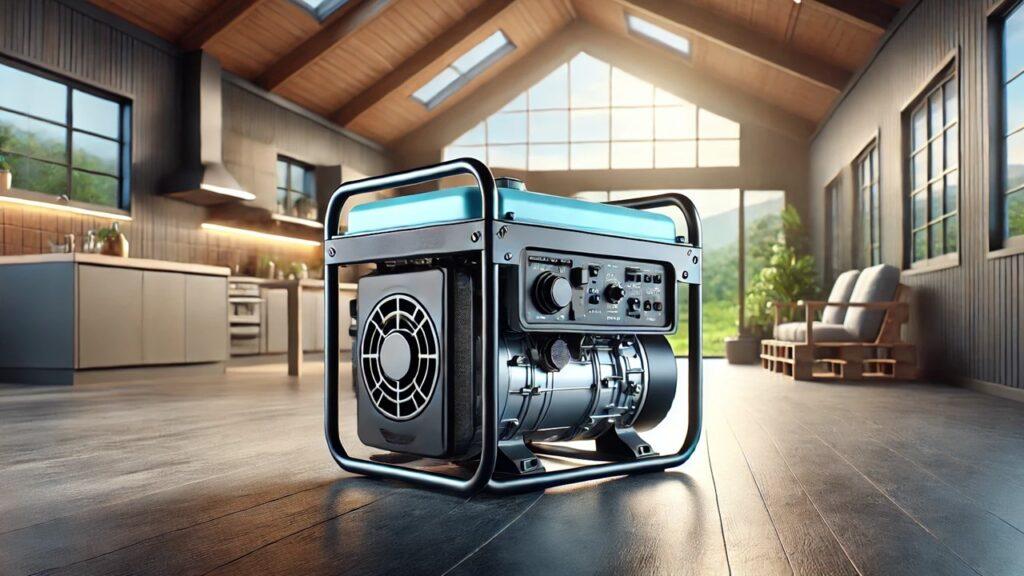
Think of a portable generator as your go-to buddy for both emergencies and fun weekend projects. You can roll it out when needed, plug things directly into it, and even take it camping or to a tailgate party. It’s generally more affordable and doesn’t require permanent installation.
But, here’s the catch: you have to fire it up manually (no, it won't magically start itself while you're napping), keep it fueled, and run extension cords to the appliances you want to power. It’s great for keeping a few essential items like your fridge, a few lights, and maybe that Wi-Fi router humming along. Perfect for "just in case" scenarios without breaking the bank!
The Standby Superhero: Always Ready for Action
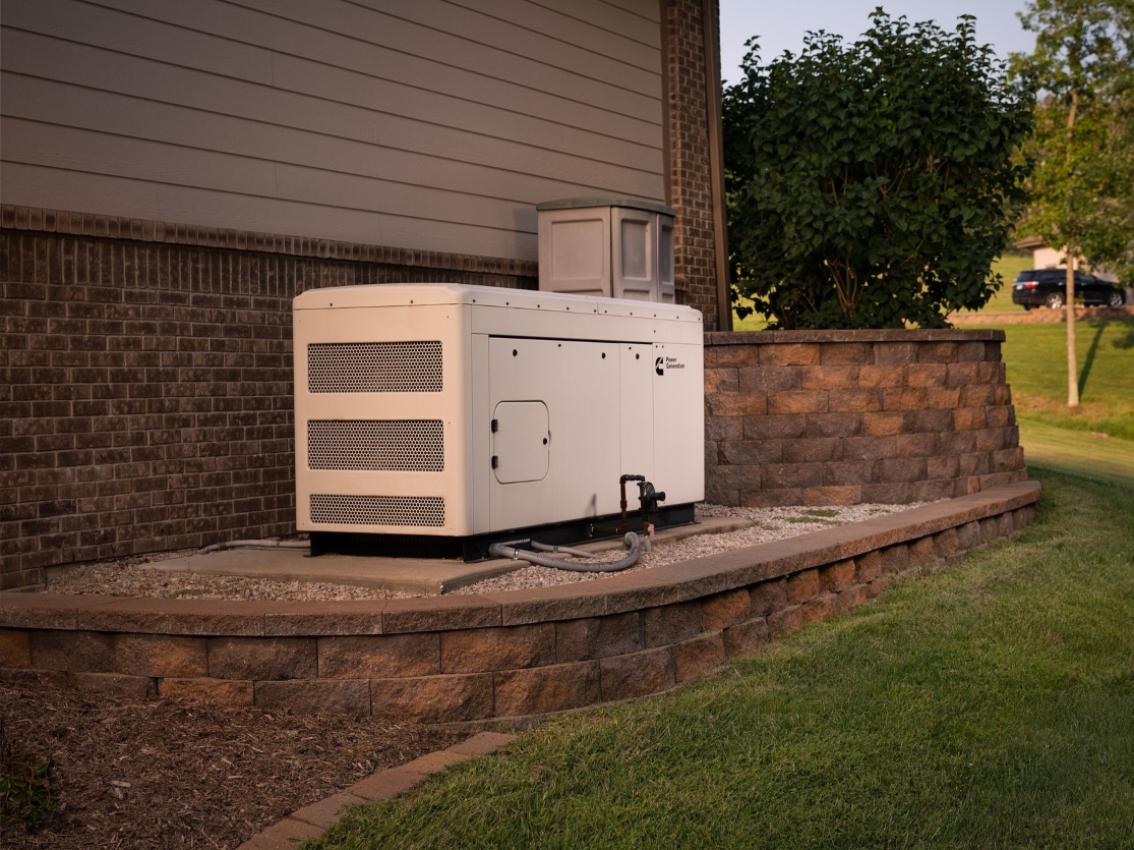
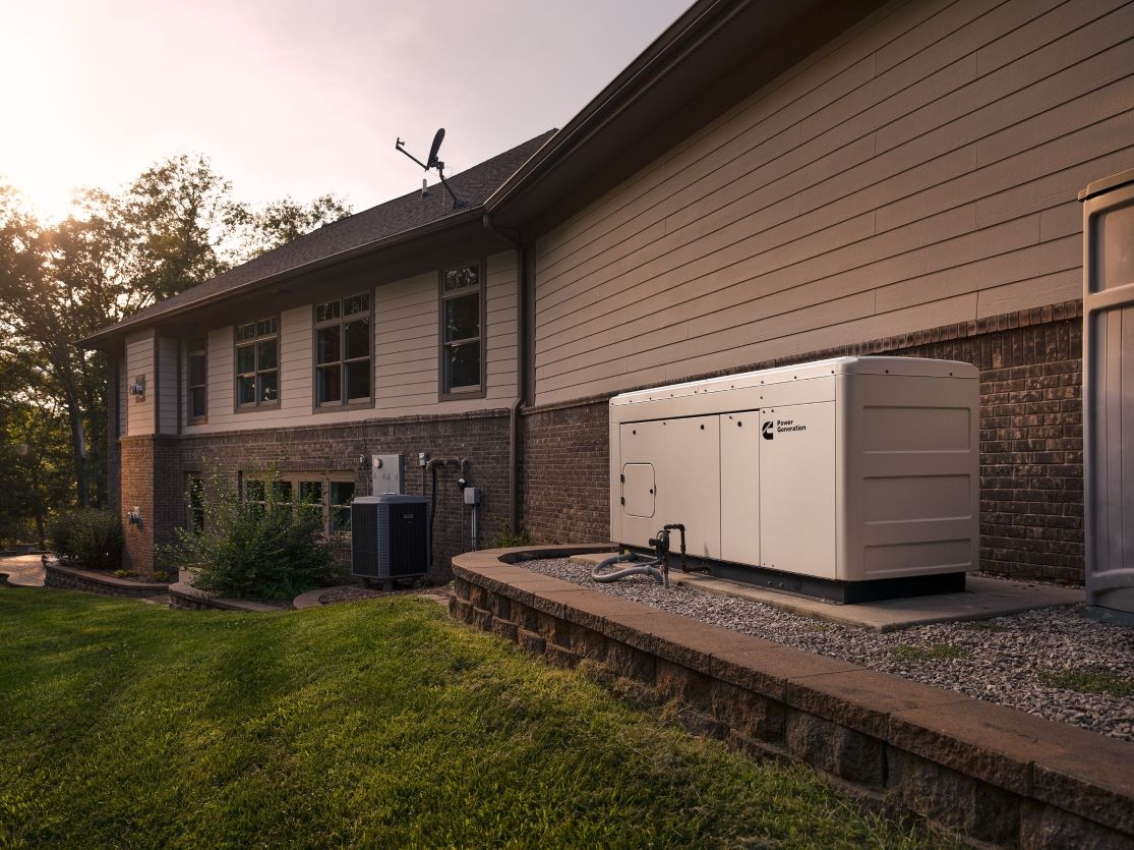
Now, a standby generator is the big guns. This bad boy is permanently installed outside your home, hooked directly into your electrical system. The moment the power flickers off, it *automatically* senses the outage, turns itself on, and powers your house. No scrambling in the dark, no fiddling with cords. It's like having a tiny, dedicated power plant in your backyard, ready to leap into action.
These are more of an investment and require professional installation, but the peace of mind? Priceless! They can power your entire home, including your AC, heating, and everything in between. No more living by candlelight, unless it's a romantic dinner *by choice*!
Size Matters (When It Comes to Generators)
Alright, so you’ve picked your type. Now, how big should this power-producing beast be? This is where a little homework saves a lot of heartache (and cold food).
You need to figure out what you absolutely, positively *cannot* live without when the lights go out. Is it just the fridge and a few lights? Or do you need the AC blasting, the TV on for binge-watching, and every single gadget charged?
Grab a pen and paper (or your phone, you tech wizard) and list everything. Look at the wattage on the back of your appliances. Add up the "must-haves" and then, if you want a little extra comfort, add the "nice-to-haves." This total wattage will tell you the minimum size generator you need. When in doubt, it’s always better to go a little bigger than to regret going too small. Trust me, you don't want to play appliance musical chairs in the dark!
Fueling Your Power Play: Gas, Propane, or Natural Gas?
Generators need fuel, just like we need coffee. Here are your options:
- Gasoline: Super common, easy to find, but it doesn't store well long-term and can be a bit stinky.
- Propane: Cleaner burning, stores for ages, but you need to have tanks on hand (and make sure they’re full!).
- Natural Gas: If you have a natural gas line to your home, a standby generator can hook right into it, offering an uninterrupted fuel supply. No refilling tanks! How convenient is that?
- Dual Fuel: Some portable generators can run on both gasoline and propane, offering awesome flexibility!
Fun Features to Look For!
Think of these as the cherry on top of your generator sundae:
- Electric Start: Because nobody wants to yank a cord like a lawnmower in a crisis. Push a button, get power! Hooray!
- Multiple Outlets: For portable generators, more outlets mean more things you can plug in. Duh!
- Automatic Transfer Switch: For standby units, this is the magic brain that tells your generator when to start and stop.
- Low-Oil Shutoff: Protects your investment by shutting down if oil levels are too low. Smart!
- CO Sensor: A crucial safety feature that senses dangerous carbon monoxide levels and shuts down the generator. Seriously important!
Safety First, Always!
Okay, serious hat on for a second: generators are powerful tools. Always, always operate them outdoors in a well-ventilated area, far from windows and doors. Carbon monoxide is odorless and deadly, so please be safe! For standby units, professional installation is non-negotiable. Don't be that neighbor everyone secretly judges when their lights are out *and* they're messing with wires!
The Uplifting Conclusion!
So there you have it! Buying a home generator isn't some mystical quest; it's a smart, empowering move. You're not just buying a machine; you're investing in peace of mind, comfort, and the ability to say, "Bring it on, power outage!" with a confident grin.
Imagine the next time the lights go out: while your neighbors are fumbling for candles, you'll be kicking back, enjoying a perfectly chilled beverage, and maybe even watching a movie. Go forth, future power-wielding champion, and enjoy the glorious, uninterrupted glow!