Have you ever stopped to think about what powers your car, makes your phone casing, or even creates some of the clothes you wear? Chances are, it all links back to crude oil! Often called "black gold" or "liquid gold," crude oil is one of the most vital resources on our planet. It’s a fascinating substance with a mind-boggling origin story that stretches back millions of years. Understanding how this ancient energy source came to be isn't just about geology; it's about appreciating the incredible, slow-burning alchemy of our Earth and the intricate processes that shape the world around us. It's a reminder that even the most mundane things have extraordinary beginnings.
Knowing the journey of crude oil helps us grasp its true value and the immense time it takes to form. It highlights why it's a non-renewable resource and encourages us to consider sustainable alternatives for the future. Plus, it's just plain cool to peek into Earth's deepest secrets and imagine the ancient seas that laid the groundwork for our modern world!
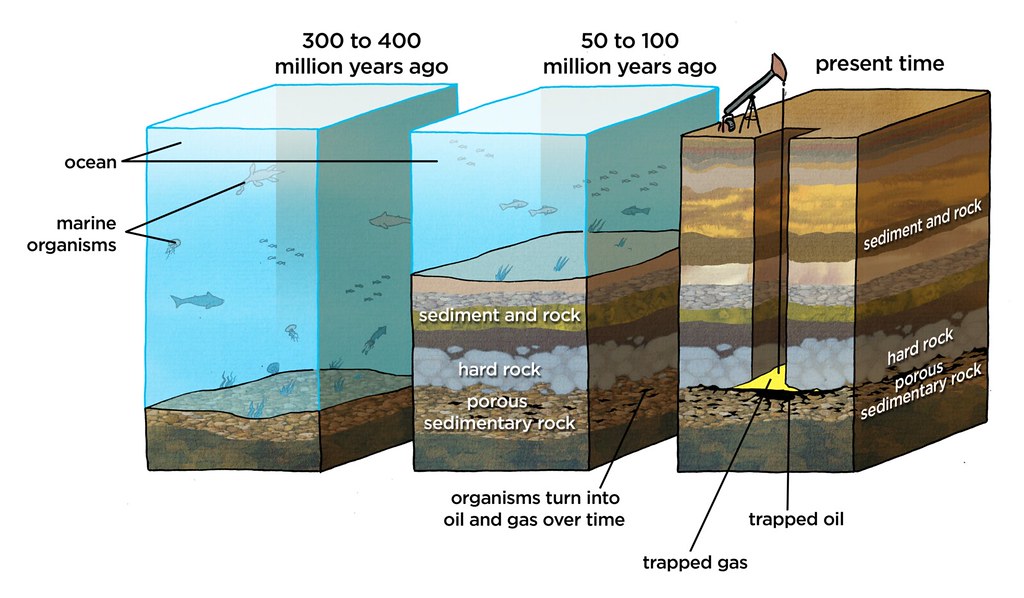
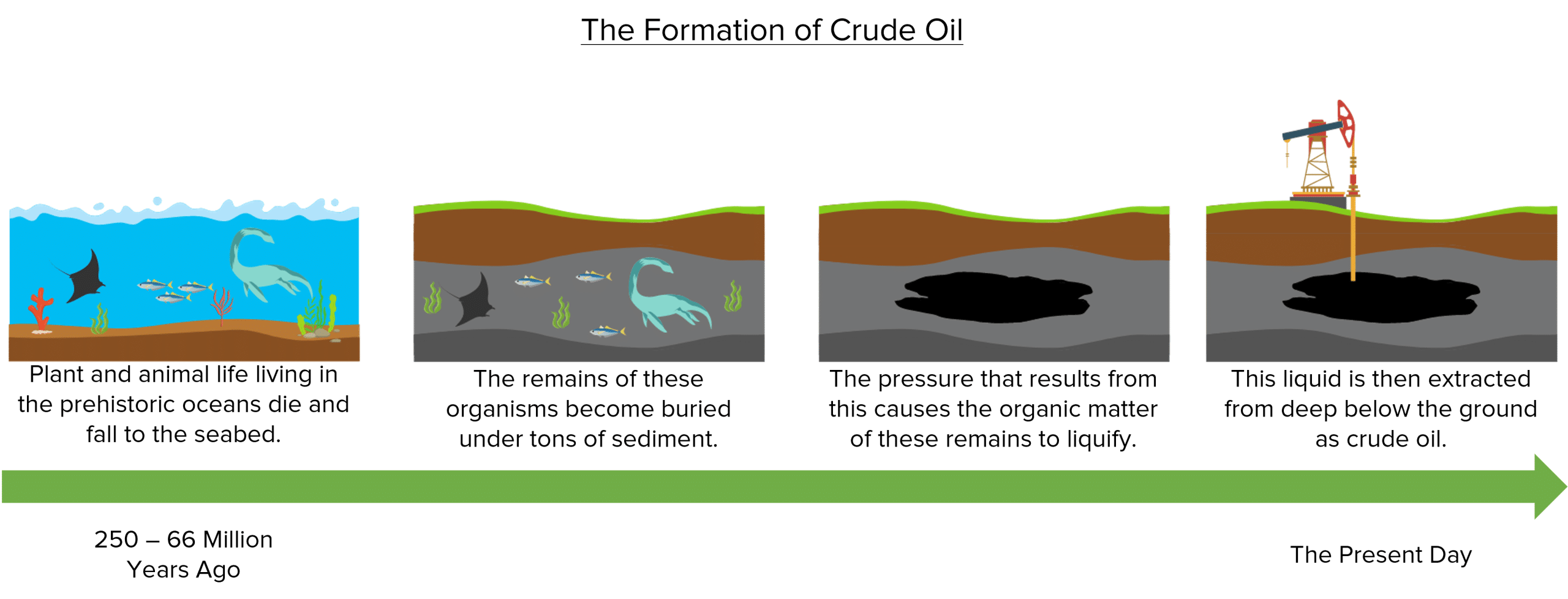
So, how does this incredible transformation happen? It all starts with tiny living things. Picture vast, ancient oceans teeming with microscopic marine life – think algae and zooplankton, the smallest critters in the food chain. When these organisms died, instead of fully decaying, their remains drifted down to the ocean floor. Here's the crucial part: these parts settled in oxygen-poor environments. Without much oxygen, bacteria couldn't completely break down the organic matter, leading to its preservation.
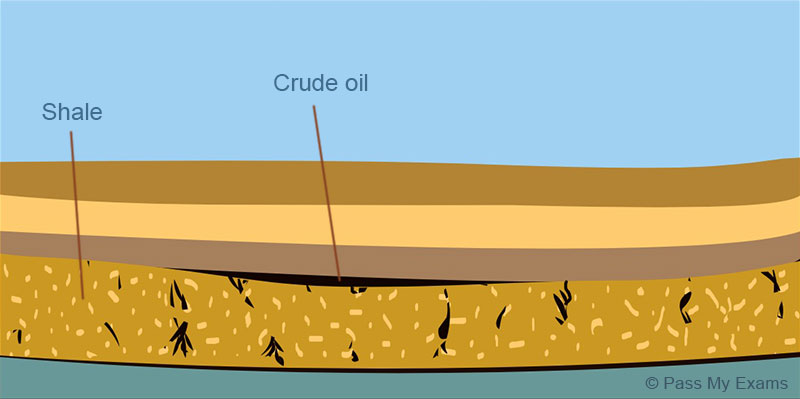
Over millions of years, layers upon layers of sand, mud, and other sediments piled up on top of these preserved organic remains. This immense weight compacted the sediments, slowly turning them into rock. As the layers grew deeper, the pressure increased, and the Earth's internal heat began to work its magic. It was like putting these organic remains into a colossal, slow-cooking pressure cooker deep within the Earth.
Under these intense conditions – high pressure and temperatures ranging from about 60°C to 150°C (140°F to 300°F) – the organic matter underwent a dramatic chemical transformation. It first turned into a waxy, solid substance called kerogen. Then, as temperatures continued to rise, this kerogen began to "crack" and break down into lighter, liquid hydrocarbons – our crude oil – and natural gas. This specific temperature range is often referred to by geologists as the "oil window."
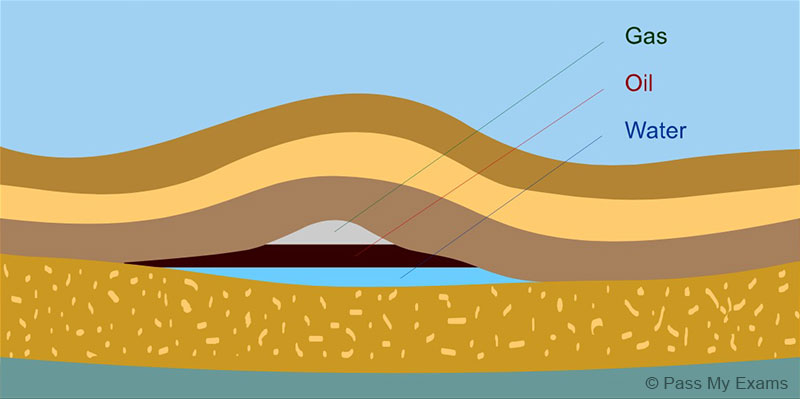
Once formed, this newly created crude oil, being less dense than the surrounding rock, started to migrate. It seeped and flowed upwards through porous rock layers like sandstone, until it encountered an impermeable rock layer (a "cap rock") that it couldn't pass through. This cap rock, often dome-shaped, trapped the oil and gas beneath it, creating an underground reservoir – the very places we drill into today! And that, dear reader, is the incredibly long, hot, and fascinating story of how Earth makes its liquid gold.