Ah, the ritual. Pulling up to the pump, watching those numbers spin, and feeling that familiar pang of, "How much is this going to cost me this month?" It’s a question that silently (or not-so-silently) nags most of us who rely on four wheels to navigate our daily lives. From the morning commute to weekend adventures, gas is a recurring character in our monthly budget drama. But figuring out exactly "How much is gas for a month?" isn't always as straightforward as checking a price sign.
Let's dive into the fascinating, sometimes frustrating, world of your monthly fuel tab, offering a blend of real talk, practical tips, and a few laughs along the way. Think of this as your friendly guide to understanding those precious gallons.
Deconstructing Your Monthly Fuel Spend
The truth is, there's no single magic number for everyone. Your monthly gas bill is a cocktail of several ingredients. Understanding these can help you pinpoint where your money goes and, more importantly, where you might save a few bucks.
Your Ride Matters (A Lot!): First up, your chariot. Are you zipping around in a compact car that sips fuel like a fine espresso, or are you commanding a larger SUV that guzzles gas like it’s going out of style? A quick peek at your vehicle's miles per gallon (MPG) is crucial. The national average for new cars hovers around 25-28 MPG, but your actual mileage may vary significantly based on age, model, and even how well you maintain it.
Your Commute, Your Choice: How far do you actually drive? This is perhaps the biggest variable. A short 5-mile round trip for work will yield a vastly different bill than a 50-mile daily trek. Factor in school drop-offs, grocery runs, and those spontaneous weekend drives. With more people working hybrid or fully remote, many are finding their monthly gas needs have dramatically shifted, often for the better!
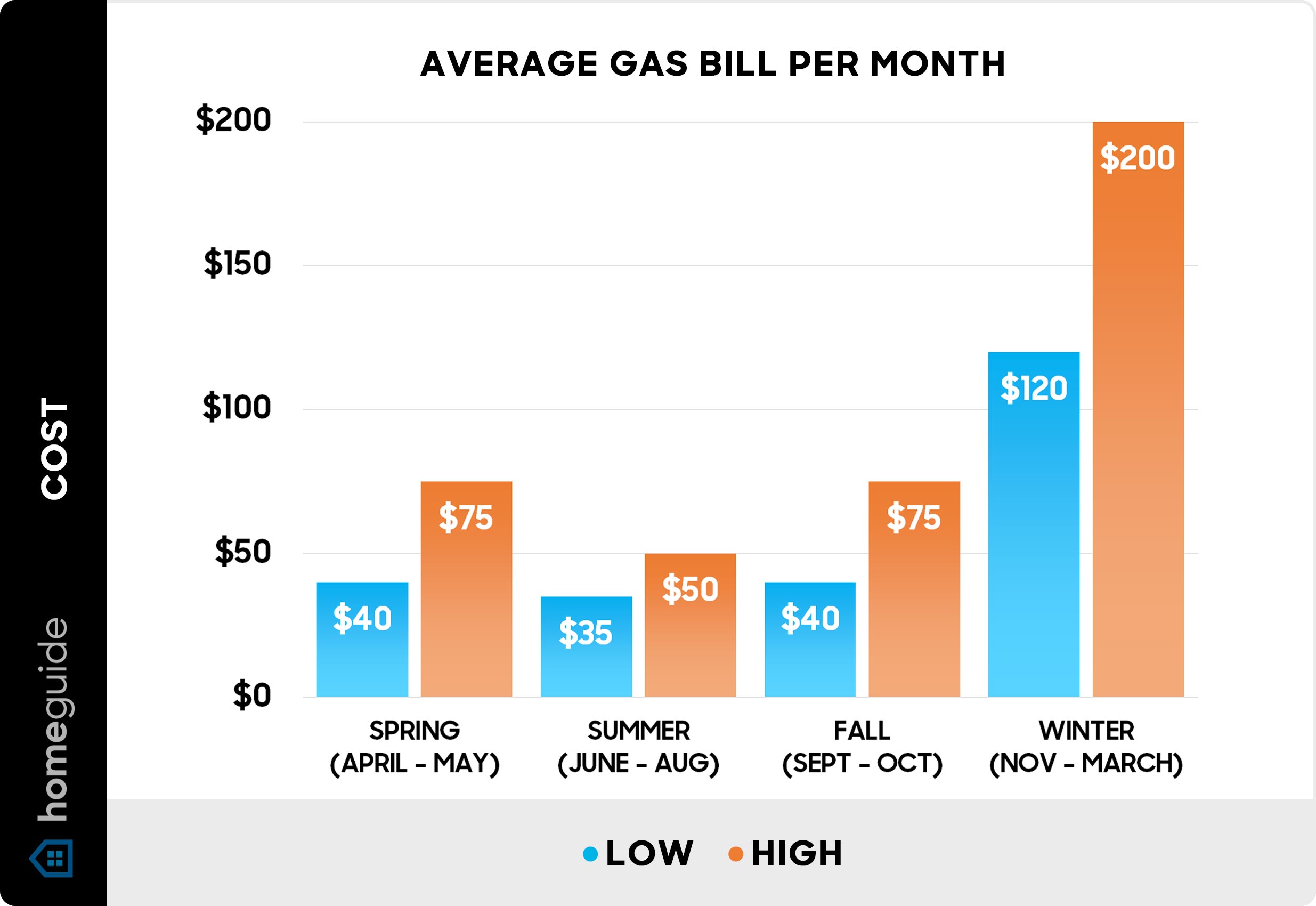
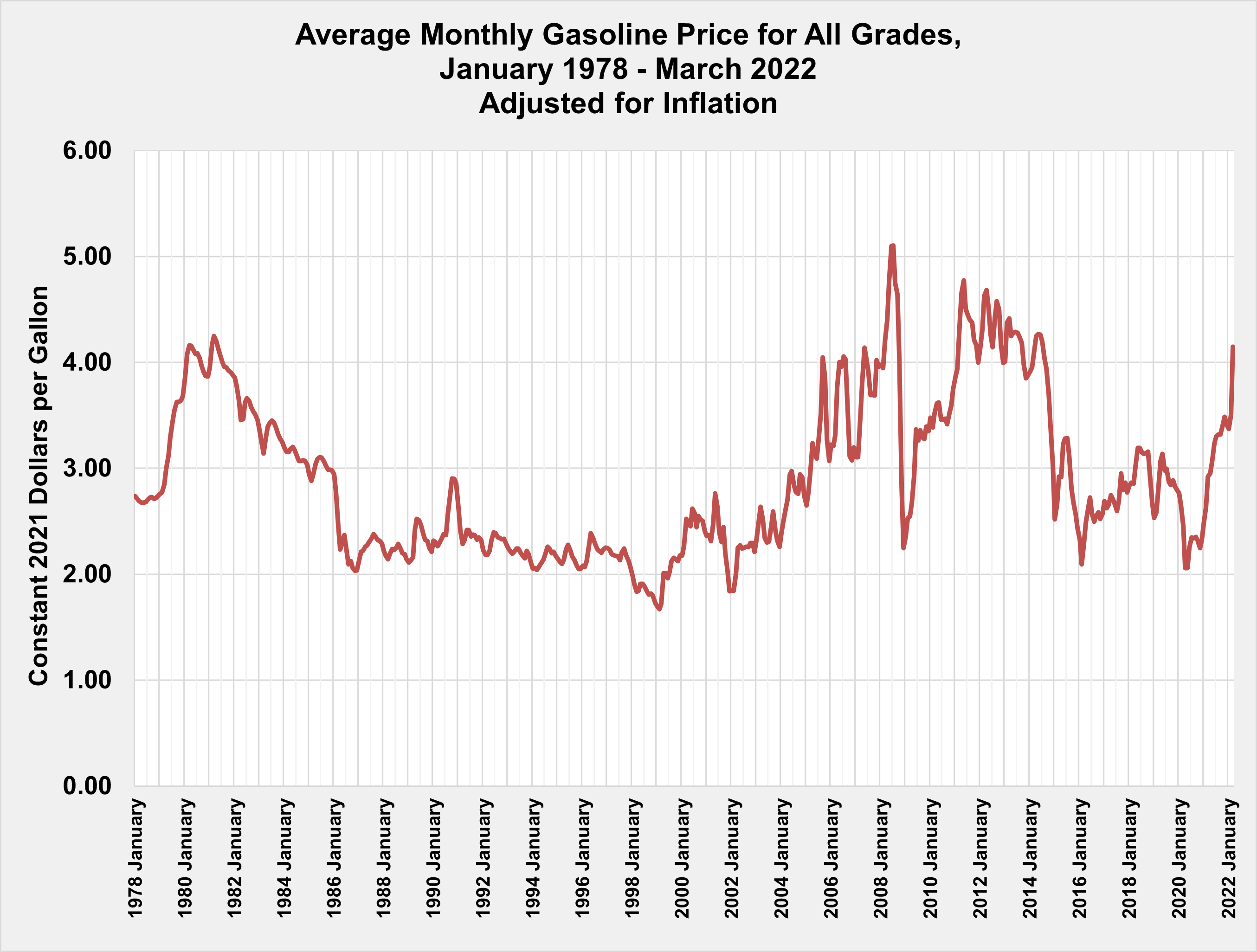
The Price at the Pump (The Rollercoaster): This is the wild card. Gas prices are a constant, global conversation starter, influenced by everything from geopolitical events to refinery issues and even the time of year (hello, summer driving season!). You might pay $3.00 a gallon one month and $4.00 the next. Regional differences also play a huge role; gas in California often looks very different from gas in Texas.
Putting a Number On It: Some Ballpark Figures
Okay, enough theory. Let's talk numbers. The average American drives about 13,500 miles per year. That breaks down to roughly 1,125 miles per month. If your car gets an average of 25 MPG, you'd use about 45 gallons of gas each month (1125 miles / 25 MPG = 45 gallons).
Now, let's play with gas prices. If gas averages $3.50 per gallon:
- 45 gallons x $3.50/gallon = $157.50 per month.
If gas jumps to $4.00 per gallon:
- 45 gallons x $4.00/gallon = $180.00 per month.
See how quickly it adds up? And remember, these are averages. A busy family with multiple drivers and a larger vehicle could easily spend $300-$500+ a month, while a city dweller with a fuel-efficient car might get by on less than $100.
Smart Strategies to Fuel Up Your Savings
Feeling a little overwhelmed by the numbers? Don't fret! There are plenty of clever ways to keep that monthly gas bill in check, without sacrificing your freedom on the open road.
Drive Smarter, Not Harder: It sounds simple, but smooth acceleration and gentle braking can significantly improve your fuel economy. Think less "Fast and Furious," more "Zen Driver." Also, avoid idling your car unnecessarily; it's a gas guzzler!
Keep Your Ride in Tip-Top Shape: Regular maintenance, especially keeping your tires properly inflated, can make a real difference. Underinflated tires can reduce fuel efficiency by up to 3%. It’s a small tweak with a noticeable impact.
Plan Your Pit Stops: Combine errands! Instead of making multiple trips throughout the week, try to batch your to-do list into one efficient outing. Apps like GasBuddy can also help you find the cheapest gas prices in your area, sometimes saving you dimes per gallon, which adds up quickly.
Embrace Alternatives: Can you walk, bike, or use public transport for some trips? Even one less drive a week can make a dent. Carpooling with colleagues or friends is another fantastic way to split the cost and reduce wear and tear on your own vehicle.
Loyalty Programs Are Your Friend: Many grocery stores and gas stations offer loyalty programs that provide discounts on fuel. Sign up, swipe your card, and watch those cents per gallon drop.
A Little Reflection at the End of the Road
Ultimately, how much gas costs you each month is a blend of your choices, your vehicle, and external market forces. While we can't control global oil prices, we can be mindful about our driving habits and explore smart strategies to save. It’s not just about the money, but also about appreciating how we use our resources and finding a little more peace (and perhaps a few extra dollars) in our daily commute. So, next time you're at the pump, you'll be armed with a better understanding, and perhaps, a slightly lighter heart.