Alright, settle in, grab your metaphorical (or actual) coffee, because we're about to tackle one of the biggest mysteries of the modern age: How much is an electric bill when you drive an EV? Is it going to cost an arm and a leg, plus your firstborn, just to get to the grocery store? Or are we talking pocket change? Let's unravel this shocking (pun intended!) truth with a few laughs along the way.
For years, our relationship with the gas pump has been a painful one-way street. You pull up, grimace at the ever-climbing numbers, and silently wonder if your car is actually powered by liquid gold. Then, along came electric vehicles, promising a greener, potentially cheaper future. But wait, new fear unlocked: the electric bill monster!
The Big Reveal: It's Probably Less Than You Think!
Hold onto your hats, buttercups, because here's the shocker: for most EV drivers, charging your car at home is significantly cheaper than filling up a gas tank. It's like discovering your favorite snack now costs half price, and it's also good for you. Well, good for the planet, anyway.
But of course, life loves to complicate things, so there isn't one single, neat answer. The actual cost is more like a fun little puzzle with a few key pieces.
The Puzzle Pieces: What Makes Your EV's Electric Bill Wobble?
Think of it like cooking: the final dish depends on your ingredients and your chef skills. For your EV's electric bill, the "ingredients" are:
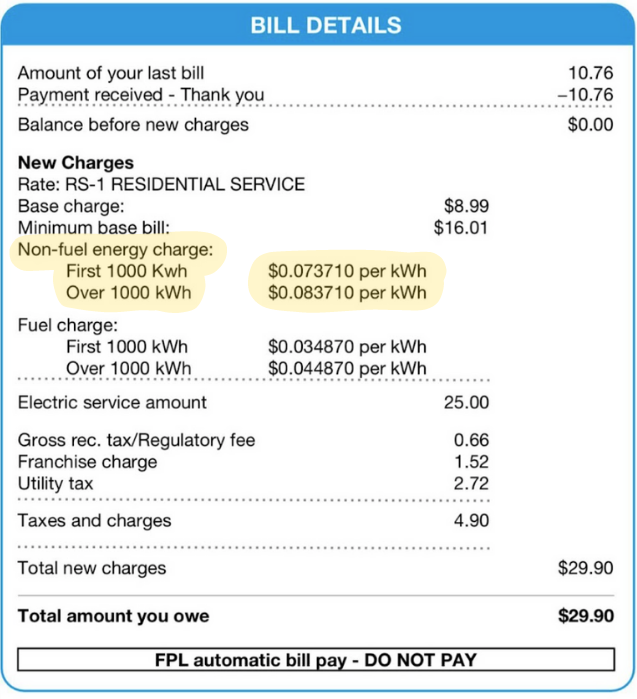
1. Your Electricity Rate: This is the big one! It varies wildly depending on where you live. Some lucky ducks pay pennies per kilowatt-hour (kWh), while others, well, they pay a bit more. Some utility companies also have "time-of-use" rates, meaning electricity is cheaper during off-peak hours (like overnight). This is where you become a master strategist, charging while the rest of the world sleeps!
2. How Much You Drive: Obviously, the more miles you clock, the more electrons your car guzzles. If you're a weekend warrior, your bill will be tiny. If you commute across the state daily, it'll be a bit more substantial, but still likely less than gas.
3. Your Car's Efficiency: Not all EVs are created equal! Some are energy sippers, getting more miles out of each kWh. Others are a bit thirstier. Think of it like MPG for electric cars – it's often expressed as miles per kWh or kWh per 100 miles.
Home Charging: The Sweet, Sweet Spot
This is where the magic happens, folks. Most EV owners do 90% of their charging at home, usually overnight. Why? Because it’s convenient, and crucially, it’s the cheapest option. You wake up to a "full tank" every morning without even thinking about it. No more frantic searches for gas stations when you're already late!
Let's do some quick, rough math. Say you drive an average of 15,000 miles a year, and your car gets about 3 miles per kWh (a pretty typical efficiency). You'd use about 5,000 kWh per year. If your electricity costs a national average of, say, $0.15 per kWh (this can vary wildly!), then:
5,000 kWh * $0.15/kWh = $750 per year
Divide that by 12 months, and you're looking at around $62.50 a month. For many, that's less than a single tank of gas in a traditional car! Or, let's be real, less than two fancy coffees a week. So, for the price of about two medium pizzas a month, your car is fueled up and ready to roll.
Public Charging: The Wild West of Watts
Now, venture out into the urban jungle, and public charging becomes a different beast. Sometimes it's free! (Think workplaces, hotels, or stores trying to entice you.) Other times, it's a paid service.
Public Level 2 chargers (the slower ones) might charge you by the hour or by the kWh, usually a bit more than your home rate. Then there are the DC Fast Chargers, which are, as the name suggests, super speedy. They're amazing for road trips, but they usually come with a premium price tag. Think of it like paying extra for express shipping on your impulse buy – it gets there faster, but it costs a bit more.
The key? Use public charging when you need it, but rely on home charging for your daily juice.
Surprising Facts & Humorous Exaggerations!
- That perpetually blinking VCR clock (if you still have one!) might be costing you more over a year than charging your EV for a day! Okay, maybe a slight exaggeration, but phantom loads from unused electronics do add up.
- For many drivers, the annual cost of charging an EV is roughly equivalent to what they used to spend on oil changes and minor maintenance for a gas car. Seriously! EVs have way fewer moving parts.
- Your always-on gaming PC, or that ancient second fridge humming away in the garage, could actually be a bigger energy hog than your sleek new electric car on a daily basis. Go check them!
- You could likely power your EV for an entire week for less than the cost of a single movie ticket and popcorn. Now *that's* entertainment!
The Bottom Line: Your Wallet Will Thank You (And So Will the Polar Bears!)
So, next time someone asks about your electric bill for your EV, you can confidently tell them it's often a fraction of what they're paying for gas. It's not *free* electricity, but it's remarkably affordable and incredibly convenient. You're not just saving money; you're often avoiding smelly gas stations, endless oil changes, and contributing to a cleaner future.
Go forth, electrify your drive, and enjoy that delightfully smaller energy bill. Your wallet will be doing a happy dance, and you might even find yourself looking forward to seeing those "shocking" low numbers.