Imagine a world without the comforting hum of your refrigerator, the instant glow of a light switch, or the captivating stories flickering on your screen. Our modern lives are built on the magic of electricity, a silent, invisible force that powers everything from our morning coffee to our late-night movie binges. But have you ever paused to think about the cost of that magic, or more precisely, the fundamental unit that measures it? We're talking about the unassuming hero of your utility bill: the kilowatt-hour.
The kilowatt-hour, or kWh, isn't just a jumble of letters and an 'h'; it's the standard metric for the energy you consume. Essentially, it tells you how much power you've used over a specific period. It’s the invisible currency that allows your microwave to heat last night’s leftovers, your phone to charge overnight, and your air conditioner to battle the summer heat. Without understanding the kWh, you're missing a key piece of the puzzle that governs your home's comfort, your connectivity, and your entertainment. It serves the vital purpose of translating raw electrical power into a quantifiable, billable unit that helps us manage our consumption and budget.
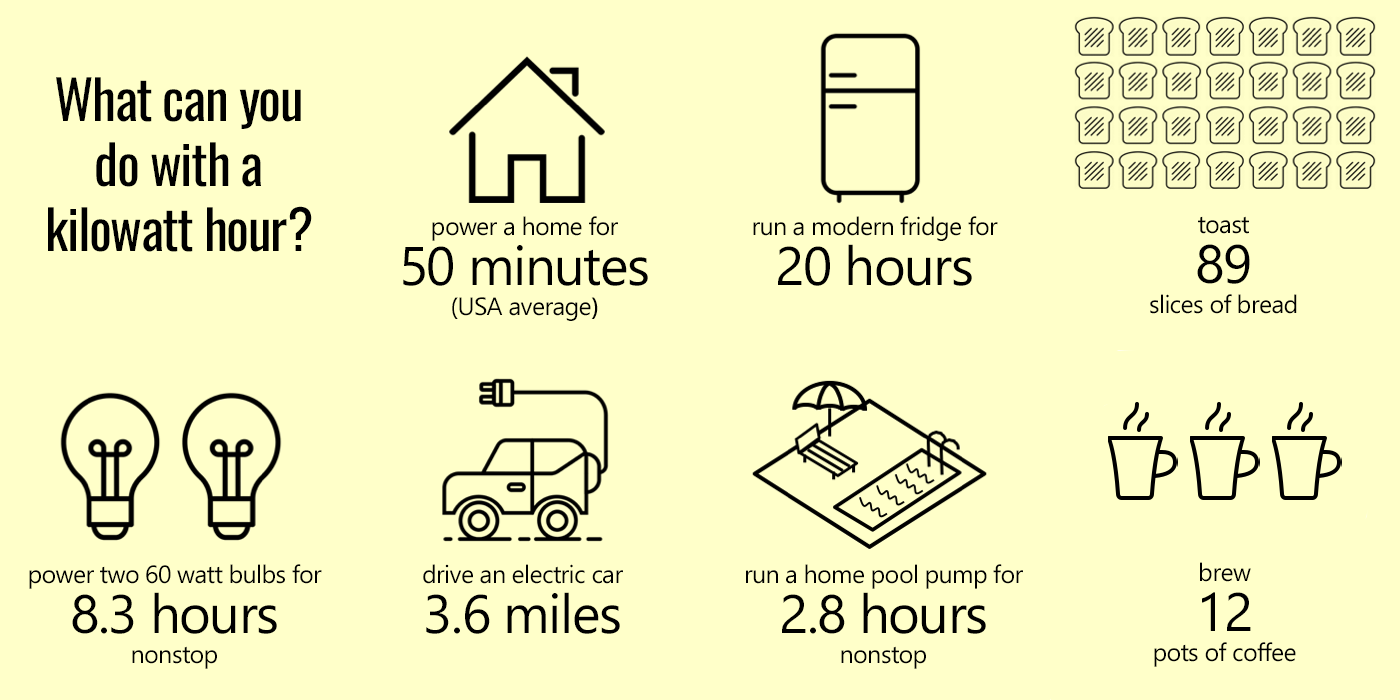
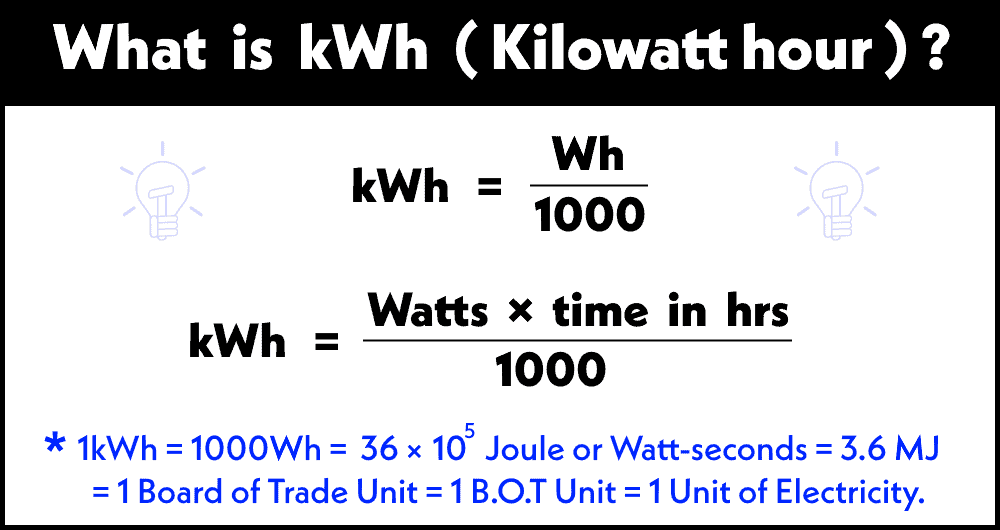
So, how much is one kilowatt-hour, really? Let’s put it into perspective. A single kWh is equivalent to using 1,000 watts of power for one hour. Sounds technical, right? Let's make it practical:
- You could power a typical LED TV (around 50-100 watts) for about 10 to 20 hours. That’s enough for a serious Netflix marathon!
- It could keep a standard refrigerator running for roughly a full day, humming along, preserving your food.
- One kWh is enough to run a powerful microwave for about an hour – plenty of time to cook multiple meals.
- Charge your laptop battery approximately 10 to 20 times, depending on the model.
- Boil water in a standard electric kettle for about 5-7 cups of tea or coffee.
- Run a ceiling fan for an impressive 10 to 15 hours.
Suddenly, that little unit doesn't seem so small anymore, does it? It’s a versatile chunk of energy that fuels a surprising amount of daily activity.
Understanding the kWh is the first step to becoming a savvy energy consumer. To "enjoy" your electricity more effectively and responsibly, consider these tips:
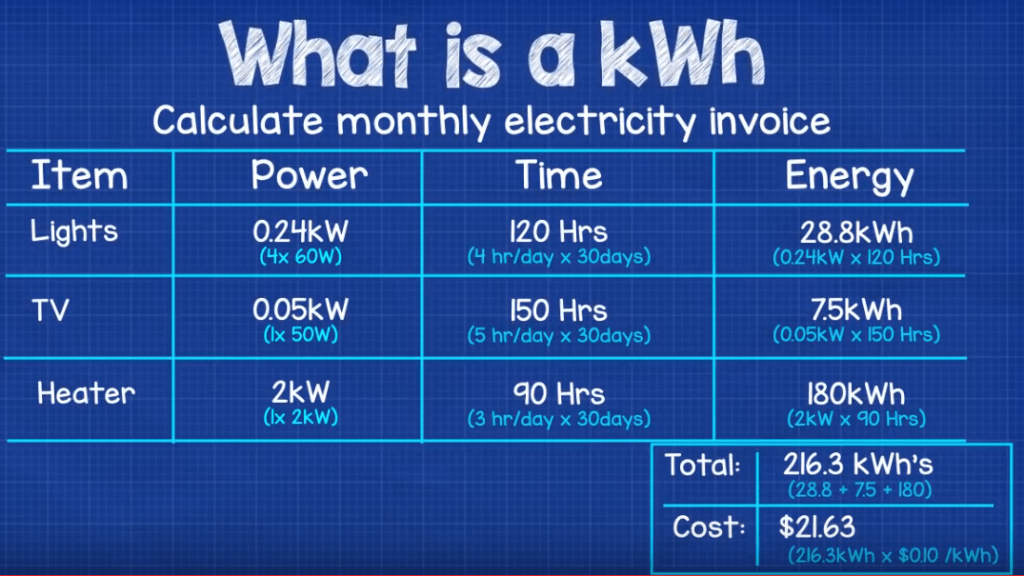
- Read Your Appliances: Many devices have their wattage listed. A quick calculation (Watts x Hours / 1000 = kWh) can show you their appetite.
- Unplug "Vampire" Loads: Devices like phone chargers, TVs, and gaming consoles still draw a tiny bit of power even when turned off but plugged in. Unplug them or use power strips to cut off their ghostly consumption.
- Go Energy Efficient: When buying new appliances, look for ENERGY STAR ratings. They consume less power for the same output, saving you kWhs in the long run.
- Optimize Usage: Run your dishwasher and washing machine with full loads. Use natural light when possible. Turn off lights when you leave a room. Small changes add up to big savings on your kWh consumption.
- Monitor Your Bill: Pay attention to your monthly kWh usage, not just the total cost. This helps you track changes and identify areas for improvement.
The kilowatt-hour might be invisible, but its impact on your daily life and your wallet is anything but. By understanding this fundamental unit of energy, you gain the power to manage your consumption, make smarter choices, and truly appreciate the silent, tireless work of electricity in your home.
.png)