Hey there, fellow warm-blooded human! Ever wonder why your wallet feels a little lighter after a particularly steamy summer month? Chances are, your trusty air conditioner is putting in some serious overtime. And you're probably thinking, "Just how much energy does that magical box use?"
It's a great question, and trust me, you're not alone in pondering it. It's like asking "How much chocolate can I eat?" The answer is usually, "Well, it depends!" But don't worry, we're going to break down this energy mystery with a smile, a few laughs, and maybe even a lightbulb moment or two (pun totally intended).
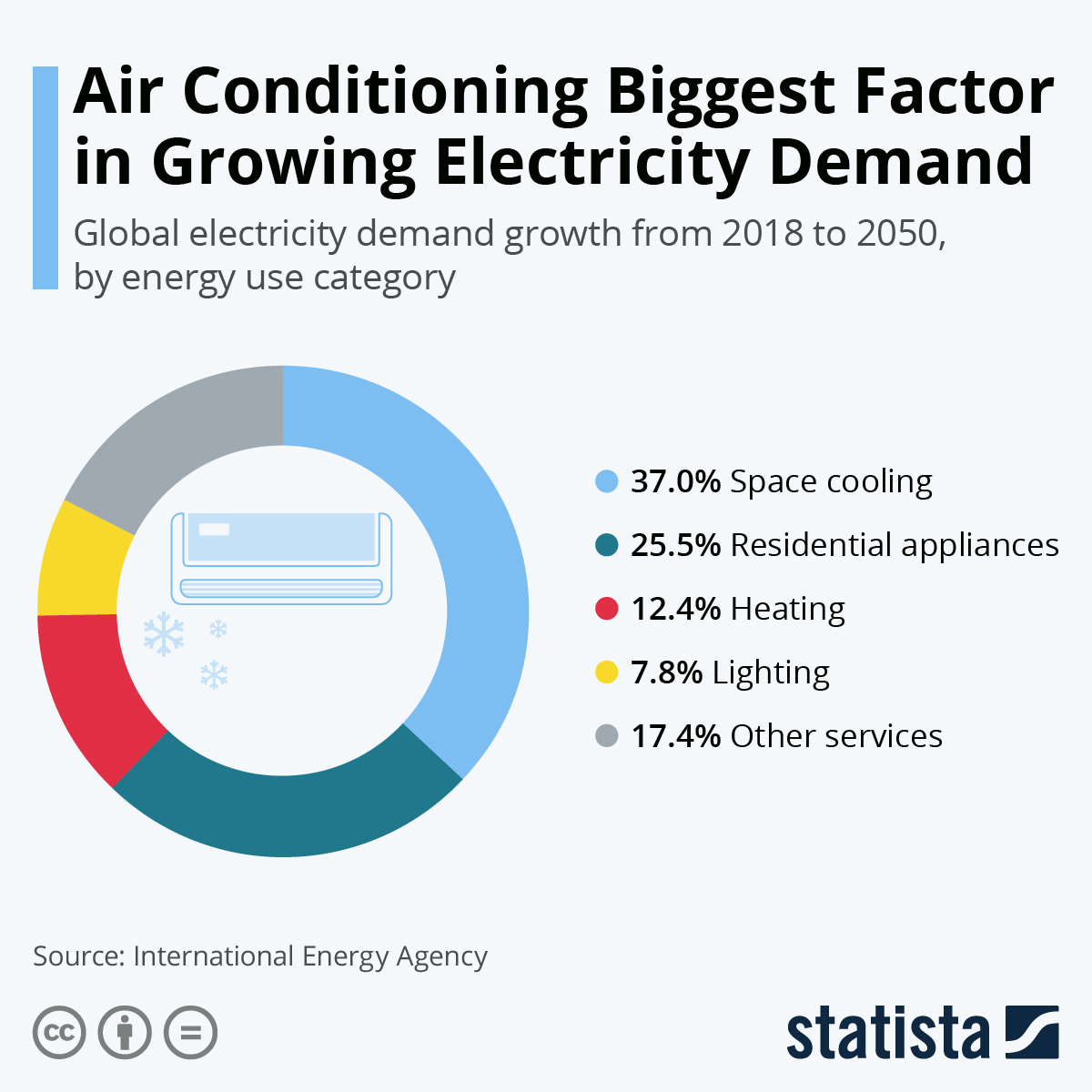
First off, let's get one thing straight: ACs are energy hogs. There's no sugarcoating it. They're basically big, powerful machines designed to defy physics by making a hot place cool. And that takes juice. Lots of it. Think of it like trying to push a giant boulder uphill. It's going to require some serious effort, right?
The "It Depends" Factors: Your AC's Energy Diet
So, what exactly does it "depend" on? Let's dive into the juicy details without getting too technical. Imagine your AC unit is a hungry monster. How much it eats (energy) depends on a few key things:
1. The Size of Your AC Unit vs. Your Home's Size:
This is a biggie! If your AC is too small for your space, it'll run constantly, desperately trying to cool a house it just can't handle. It's like a hamster on a wheel trying to power a skyscraper. Exhausting and inefficient!
Conversely, an AC that's too big is also a problem. It'll cool your home too quickly, but won't run long enough to properly dehumidify the air. You'll be chilly but clammy, and it cycles on and off more often, which can be less efficient in the long run. It's all about finding that Goldilocks zone – just right!
2. Your Home's Insulation and Windows:
Think of your home like a giant cooler. If your cooler has cracks, gaps, or an open lid, all that glorious cool air is going to sneak right out! Bad insulation in walls, ceilings, and especially leaky windows mean your AC has to work extra, extra hard to keep up. It's essentially cooling the great outdoors along with your living room. Talk about generosity!
3. Your Thermostat Settings:
This one's a no-brainer. If you love turning your home into an arctic tundra (we're talking igloo vibes!), your AC is going to be guzzling energy like it's going out of style. Every degree you drop that thermostat below 78-80°F (or whatever comfy temp you prefer), the more your AC has to sweat (ironically!). Trying to hit 68°F when it's 95°F outside is like asking your AC to perform a magic trick. And while it might try, it'll cost you!
4. The Outside Temperature (Duh!):
Okay, this one's pretty obvious, but still worth mentioning. When it's scorching hot outside, your AC has to work much, much harder to remove that heat from your home. On a mild day, it's a breeze. On a blistering summer day? It's a marathon, not a sprint, for your unit. So, the hotter it is, the more energy it uses. Simple as that!
5. Maintenance, or Lack Thereof:
Just like your car needs oil changes, your AC needs some TLC! A dirty air filter is like trying to breathe through a really thick blanket. Your AC unit has to work harder to pull air through it, wasting energy. Clogged coils? That's even worse! Regular tune-ups, cleaning, and filter changes can make a huge difference in how efficiently your unit runs. Don't let your AC feel neglected!
6. The Age and Efficiency of Your Unit:
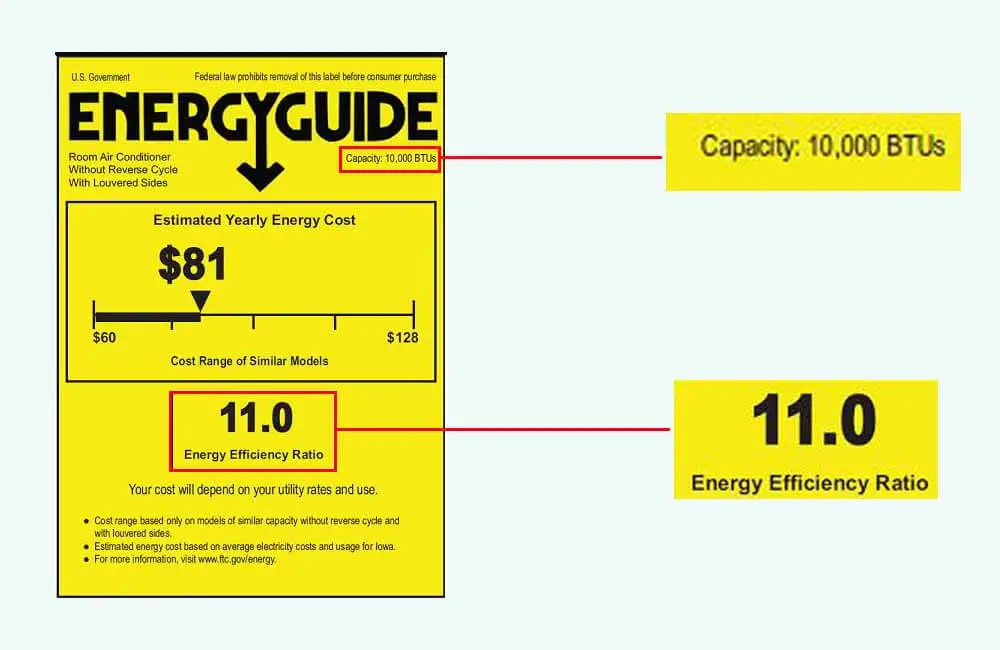
Older AC units are often less efficient than newer models. Technology improves, folks! Newer units often come with fancy things like higher SEER ratings (Seasonal Energy Efficiency Ratio), which basically tell you how much bang for your buck you're getting in terms of cooling power per watt of energy. A higher SEER means more efficiency, which means less energy consumption (and a happier wallet!). If your AC is old enough to have voted in a few elections, it might be time to consider an upgrade.
The Uplifting Conclusion: Stay Cool, Be Smart!
So, how much energy does an AC use? The truth is, it's a moving target, constantly changing based on all these factors. But here's the beautiful part: you have more control than you think!
Being mindful of your thermostat, ensuring your home is well-sealed, keeping up with maintenance, and maybe even considering an upgrade to a more efficient unit when the time comes, can make a big impact on your energy bill. It's not about suffering in the heat; it's about being smart and getting the most comfort for your energy buck.
So go ahead, enjoy that cool air! Just remember that a little thoughtfulness goes a long way. Stay frosty, friends, and here's to a summer of comfortable, energy-smart living that leaves both you and your wallet smiling!