Ever gazed into a crystal-clear swimming pool on a sweltering day and thought, "Ah, bliss!"? We often take that pristine water for granted, but behind every inviting shimmer is a tireless workhorse: the pool pump. It’s the heart of your pool's circulatory system, and understanding its cost and impact can be surprisingly fascinating, turning you from a casual swimmer into a savvy pool enthusiast. So, let’s dive in and explore the curious world of pool pump expenses!
At its core, a pool pump's job is simple yet vital: it circulates the water. Think of it as the engine driving your pool's health. Water is drawn from the pool, pushed through a filter to capture debris, then sent back, often after passing through a heater or chemical feeder. Without a functioning pump, your pool would quickly become a stagnant, murky pond, a breeding ground for algae and bacteria. The benefits are undeniable: clean, safe water for swimming, efficient distribution of chemicals, and even helping to heat the water evenly. A good pump ensures your swimming environment is not just fun, but also hygienic and enjoyable, extending the life of your entire pool system.
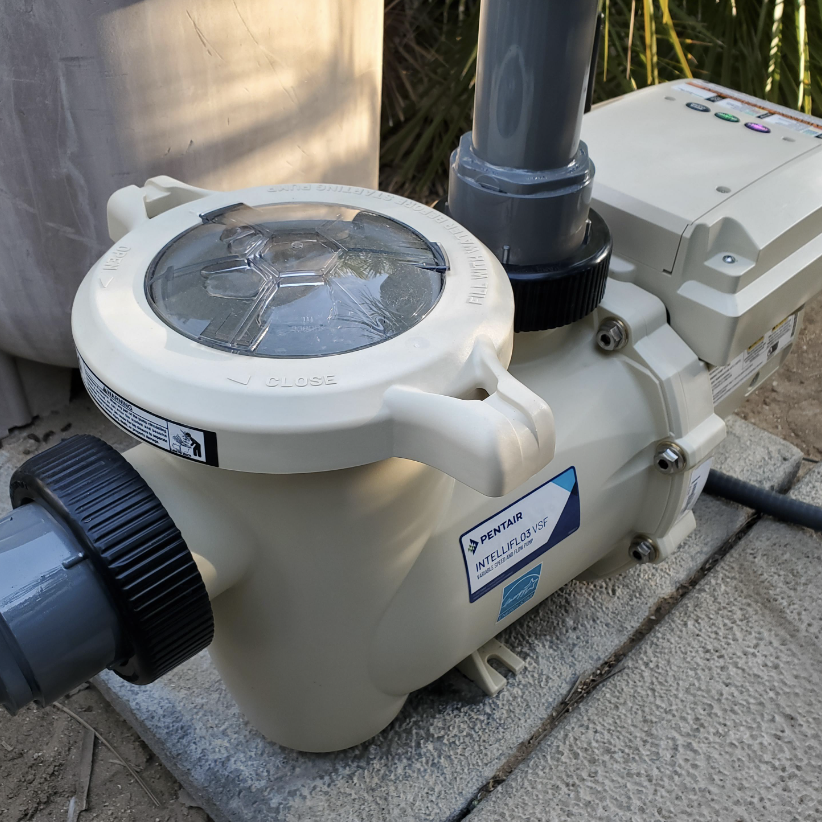
In our daily lives, especially for pool owners, the pool pump plays a continuous, albeit often unseen, role. Imagine hosting a spontaneous backyard barbecue; you want the pool ready for a refreshing dip, not green and uninviting. That’s the pump doing its silent duty. For families, it means peace of mind, knowing the kids are splashing in clean water. From an educational standpoint, understanding pool pumps offers a great lesson in energy efficiency and long-term investment. For instance, while a basic single-speed pump might seem cheaper upfront (often costing anywhere from $300 to $700 for the unit itself), its continuous high-power draw can lead to significantly higher electricity bills. In contrast, a variable-speed pump (typically ranging from $800 to $1,800, sometimes more for high-end models) uses advanced technology to adjust its speed, consuming far less energy over time – often paying for itself in electricity savings within a few years. It's a fantastic real-world example of how a higher initial cost can lead to substantial long-term savings, a valuable lesson for any household.
Curious to explore further? Start by simply observing your own pool setup or asking a friend who owns a pool. What kind of pump do they have? Do they know their energy bills related to the pool? For a practical dive, visit local pool supply stores or browse reputable online retailers. Compare different types: single-speed, dual-speed, and especially the increasingly popular variable-speed models. Pay attention to factors like horsepower, brand reputation, and any smart features that allow for programmable schedules. Remember, the cost of the pump itself is only part of the equation; installation fees (which can range from $200 to $1,000+ depending on complexity and location) also factor into the overall investment. Don't be afraid to ask for quotes from certified pool technicians. Understanding these elements helps you make an informed decision, ensuring your pool remains a source of joy, not unexpected expense.