Ever walked into your attic on a sweltering summer day? It's like stepping into another dimension, one where the sun decided to throw an exclusive, super-hot party just for your insulation. That intense heat isn't just uncomfortable; it's a silent energy vampire, sucking money right out of your wallet by making your air conditioning work overtime. Enter the unsung hero of home comfort: the attic fan.
You might have heard whispers about them, seen them quietly humming away on a neighbor's roof, or perhaps wondered if they're just another gadget to clutter your home. Well, let's pull back the curtain on these often-overlooked champions and see just how much they *really* help.
What Exactly *Are* We Talking About Here?
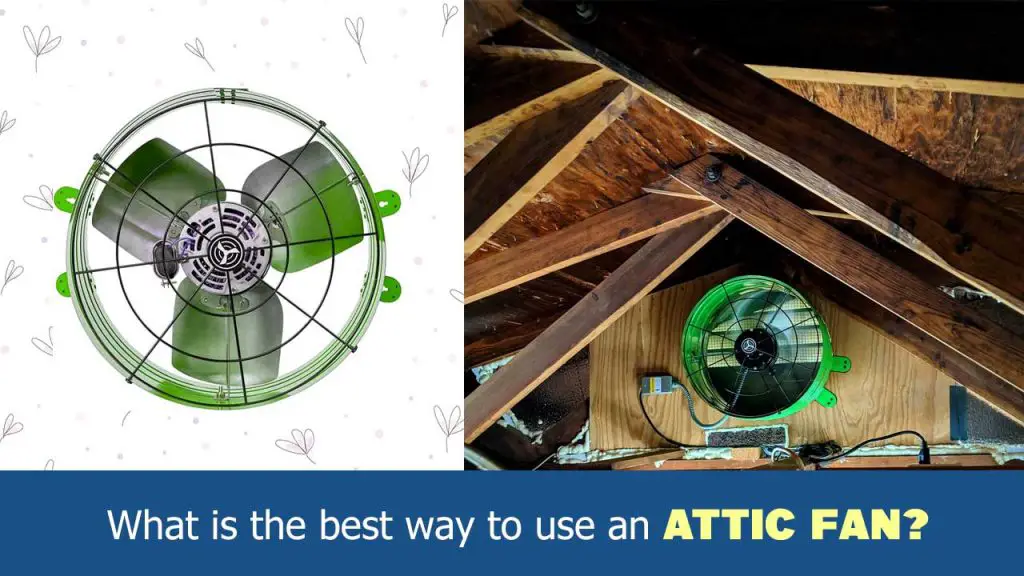
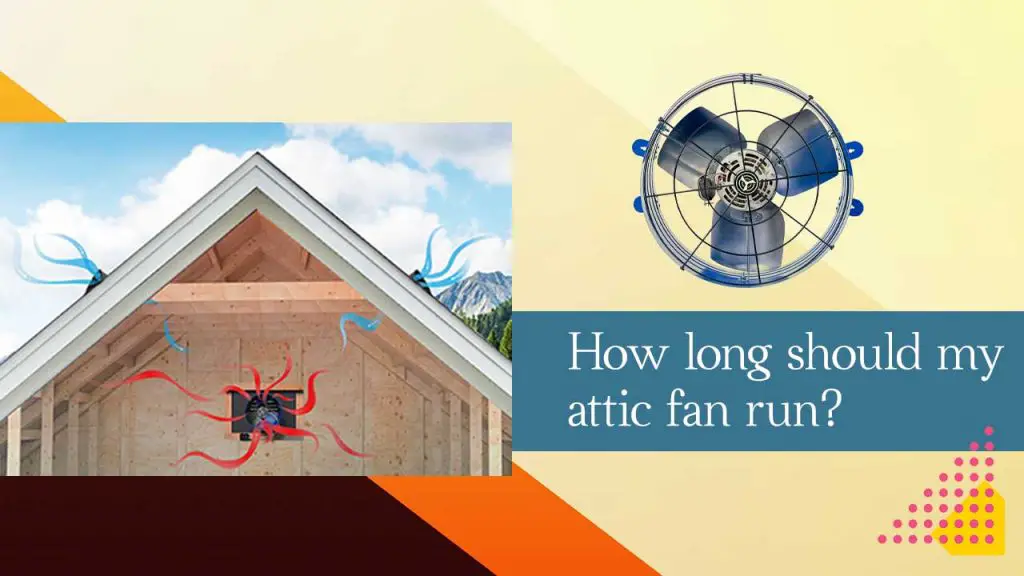
At its core, an attic fan is simply a mechanical ventilation system designed to pull hot, stagnant air out of your attic and push it outside. Think of it as your attic's personal exhaust fan. Just like you'd open a window after cooking a particularly fragrant meal, an attic fan helps your roof space breathe.
They come in a few flavors: there are gable-mounted fans, which fit into the gable end of your attic; roof-mounted fans, which sit on the roof itself (often blending in surprisingly well); and the increasingly popular solar-powered attic fans, which run purely on sunshine – talk about eco-chic!
The Million-Dollar Question: Do They Actually Work?
The short answer is a resounding yes, they absolutely can. But like a perfectly brewed cup of coffee, their effectiveness depends on a few key ingredients. When installed correctly and in the right environment, attic fans are like a little superpower for your home.
Battling the Heat Monster
Picture this: your roof absorbs a massive amount of solar energy. This heat radiates into your attic, turning it into a giant oven. Heat naturally rises, so this super-heated attic air then radiates downwards into your living spaces, especially those upstairs bedrooms. It's why your AC struggles so hard to keep the second floor cool.
An attic fan helps break this cycle. By constantly expelling that super-heated air, it prevents the attic from reaching those scorching temperatures, which in turn means less heat radiating into your home. Your air conditioner breathes a sigh of relief, working less, and you get to enjoy a cooler, more consistent indoor temperature. It’s a win-win for comfort and your energy bill.
Saving Your Wallet (and the Planet!)
Lowering the temperature in your attic directly translates to your air conditioner running less frequently and for shorter durations. This isn't just about comfort; it's about significant energy savings. In hot climates, an attic fan can potentially shave a noticeable percentage off your cooling costs, making it a smart investment over time. Plus, using less energy means a smaller carbon footprint – high five for Mother Earth!
Protecting Your Home's Bones
Beyond immediate comfort and cost savings, attic fans play a crucial role in maintaining the long-term health of your home. High temperatures and trapped moisture can be detrimental. Excessive heat can prematurely age your roof shingles, making them brittle and shortening their lifespan. Moisture, on the other hand, can lead to mold and mildew growth, damaging insulation, wooden trusses, and potentially impacting indoor air quality. An attic fan helps to keep your attic dry and well-ventilated, safeguarding these vital components.
Getting the Most Out of Your Attic Fan: Pro Tips
So, you're convinced. An attic fan sounds like a genius idea. But before you rush out and buy one, here are a few insider tips to ensure it truly shines:
- Venting is Vital: An attic fan isn't a magician; it needs intake air to work effectively. Make sure your attic has adequate soffit vents, gable vents, or ridge vents to allow cooler outside air to be pulled *in* as the hot air is pushed *out*. Without proper intake, the fan can create negative pressure, potentially pulling conditioned air from your living space, which is counterproductive.
- Insulation First: While attic fans are fantastic, they are a supplemental solution. The absolute first step to a cool home and lower energy bills is always proper attic insulation. Think of insulation as the primary defense, and the fan as the elite special forces unit. Don't put the cart before the horse!
- Right Size, Right Spot: An experienced HVAC professional can help you determine the correct fan size for your attic space and the optimal placement for maximum airflow. Too small, and it won't be effective; too large, and it could cause issues.
- Thermostat Control: Most attic fans come with an adjustable thermostat. Set it to a temperature that's high enough to prevent your AC from overworking (e.g., 95-105°F), but not so low that it runs constantly when it's not truly needed.
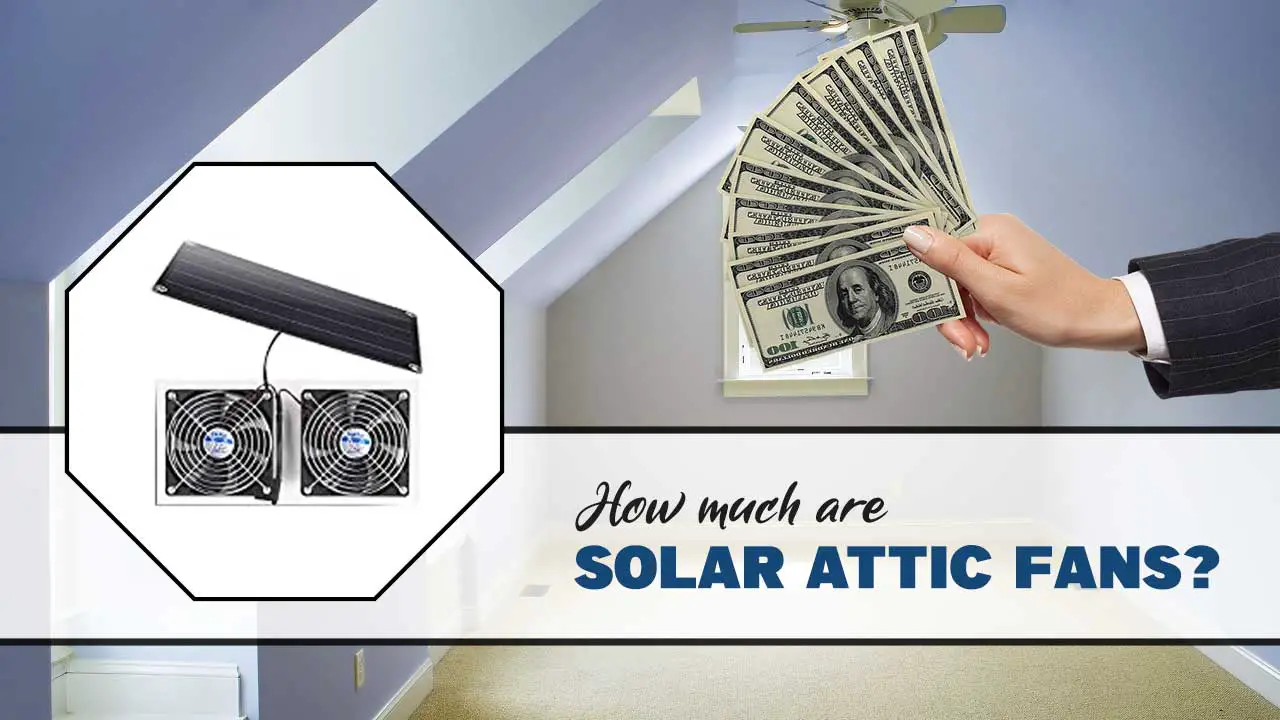
- Solar Power Perks: If you're looking for an ultra-efficient, silent, and virtually free-to-operate option, consider a solar-powered attic fan. They only run when the sun is out and the heat is highest, making them incredibly smart and sustainable.
The Comfort Connection
Ultimately, investing in an attic fan isn't just about numbers on an energy bill; it's about investing in your comfort and the longevity of your home. It's about coming home on a sizzling summer day and feeling that subtle difference, knowing your home is working smarter, not harder, to keep you cool.
Like a good friend who always helps you out, an attic fan quietly does its job, ensuring your personal sanctuary remains a haven, not a hotbox. So, next time you're dreaming of cooler days and smaller bills, remember the humble attic fan – it might just be the secret weapon you've been looking for to achieve year-round comfort and peace of mind.