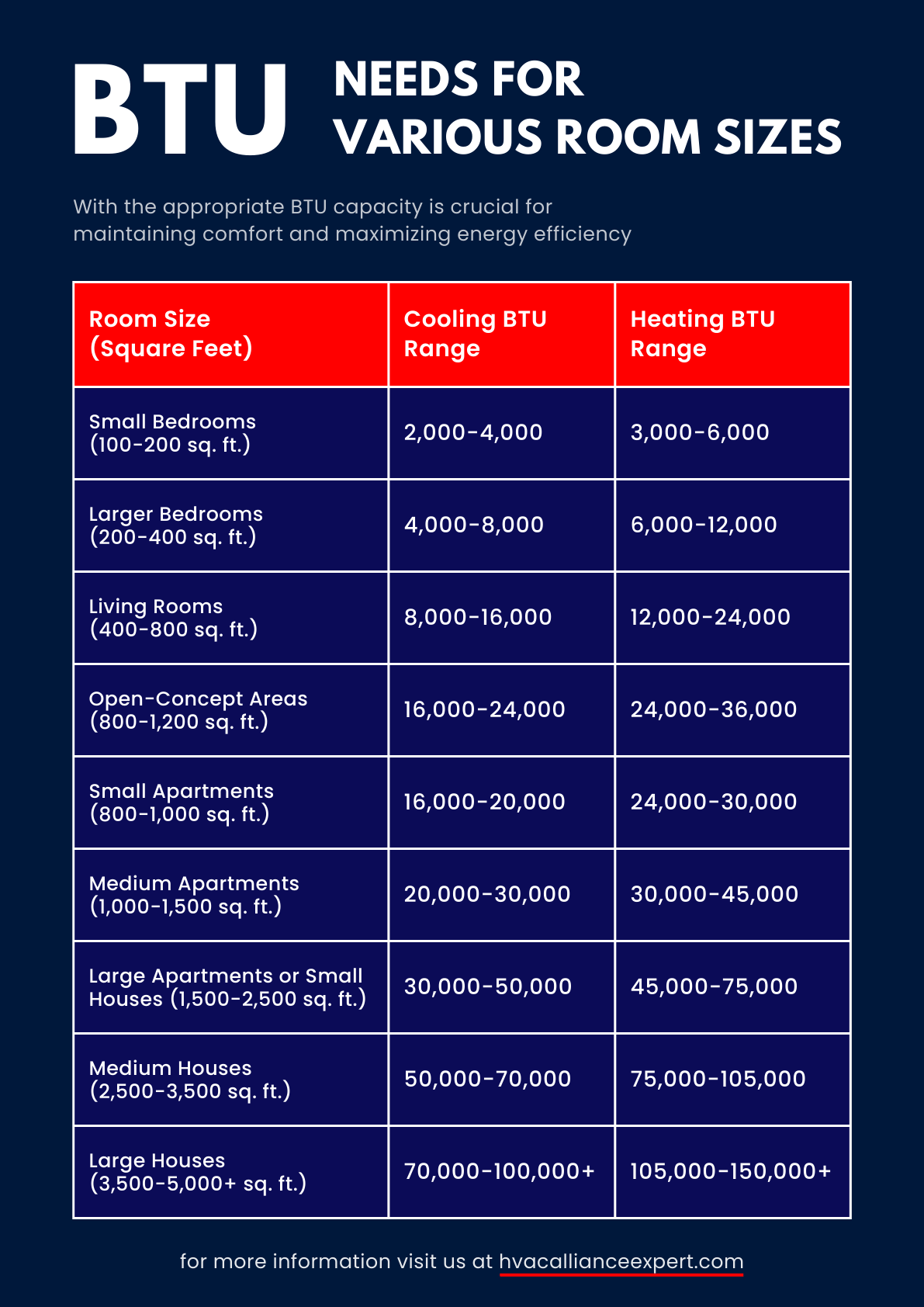
Okay, so you're sitting there, maybe with a lukewarm coffee (or a sweating iced tea, depending on your current climate battle), wondering, "How much *BTU* do I even need for my 1000 sq ft pad?" It's a classic question, right up there with "Where did I put my keys?" or "Is it too early for a snack?"
First off, let's high-five for even asking! BTU, for the uninitiated, sounds like some top-secret government acronym, but it's actually just a fancy way of saying British Thermal Unit. In plain English? It’s the unit of measurement for how much heat your air conditioner can remove from a space in an hour. Think of it as your AC unit's superpower rating.
Now, the million-dollar (or, well, a few hundred bucks for a good AC) question: how much BTU for 1000 sq ft?
Here's where I have to give you that classic, slightly annoying answer: "It depends!" *I know, I know.* Don't roll your eyes just yet. But seriously, slapping a single, perfect number on it would be like saying every 1000 sq ft house needs the exact same number of houseplants. Spoiler: it doesn't! Some folks like a jungle, others prefer a minimalist vibe.
So, What's the "Depends" Part All About?
Let's break down the little quirks of your home that make this BTU business a real head-scratcher. And trust me, these quirks matter more than you'd think!
1. Your Zip Code's Vibe Check (aka Climate)
Are you chilling (or, rather, *not* chilling) in a scorching desert where the sun feels like a personal oven? Or are you nestled somewhere with milder summers, where an AC is more of a "nice-to-have" than a "life-support-system"? Obviously, a home in Phoenix needs way more BTU punch than a similar-sized one in, say, Seattle. Common sense, right?
2. Window Wonderland (or Window Woes)
Got giant, south-facing windows that let the sun throw a daily heat party in your living room? Or are your windows small, shaded, and double-paned? Every window is a little portal for heat to sneak in. More windows, especially old or single-pane ones, generally mean you'll need more BTU power to fight off that sneaky heat gain.
3. Insulation Situation
Is your house built like a fortress, sealing in the cool air like a superhero's hideout? Or is it an older charm with insulation that might as well be made of wishes and good intentions? Good insulation is your best friend in the BTU game. It keeps the cold in and the hot out, meaning your AC doesn't have to work as hard.
4. Ceiling Height: The Unsung Hero (or Villain)
Most BTU calculators assume standard 8-foot ceilings. But if you're rocking some gorgeous vaulted ceilings or an open-concept loft, you've got *way more air volume* to cool. More air to cool? Yep, you guessed it: more BTUs required.
5. How Many Warm Bodies?
Are you a lone wolf living in your 1000 sq ft, or is it a bustling household with kids, pets, and maybe even a few in-laws crashing? Each person (and pet!) generates body heat. It adds up! So, a home with four people needs more cooling capacity than a one-person pad, even if they're the same size.
6. Appliance Avalanche
Think about your kitchen. When that oven's cranking, or the dishwasher's running, or even your big-screen TV is on for hours, they all emit heat. If you've got a lot of heat-generating gadgets, especially in an open-plan space, factor in a little extra BTU juice.
Okay, So Give Me *A* Number, Please!
Alright, alright, I hear you! As a very, very general starting point, many experts suggest roughly 20 BTUs per square foot for an average climate and average conditions.
So, for 1000 sq ft, that would be 1000 x 20 = 20,000 BTUs.
But here's the kicker: that 20,000 BTU is just a *base*. You then adjust it based on all those factors we just chatted about:
- Got a super sunny room? Add 10% more BTUs.
- Is it a kitchen? Add another 4,000 BTUs (because ovens!).
- Many people? Add about 600 BTUs per extra person.
- Lots of shade, good insulation? You might actually be able to subtract a bit.
See? It's not just a flat number! It's like a little math puzzle specific to your home.
The Goldilocks Principle: Not Too Small, Not Too Big
You might be tempted to just get the biggest AC you can find, thinking "more is better!" But with air conditioning, that's not always true. It's a bit like buying shoes – too big, and they're clunky and inefficient. Too small, and they pinch.
If your AC is too small, it'll run constantly, struggle to cool the space, and your electricity bill will look like a phone number. If it's too big, it'll blast cool air and then shut off quickly, never running long enough to properly dehumidify your space. This leaves you feeling clammy and uncomfortable, even if the temperature is "cool." Plus, that constant on-off cycle is terrible for its efficiency and lifespan.
My Best Coffee-Chat Advice?
Honestly? While these guidelines are great for getting a ballpark figure, the absolute best thing you can do is have a professional HVAC technician come out. They'll do a proper load calculation, considering every single unique factor of your home. They'll measure windows, check insulation, and even peek into your attic (the real heroes!).
Think of it as getting a tailor-made suit for your home's cooling needs. Because let's face it, nobody wants to sweat through another summer (or shiver through a winter, if we're talking heating BTUs later!). Getting the right BTU for your 1000 sq ft isn't just about comfort; it's about efficiency and saving your hard-earned cash in the long run. Cheers to cool air!