Ever found yourself scrolling through your phone, perhaps sipping a perfectly brewed coffee, and momentarily wondering where all that easy power comes from? We often take the hum of electricity for granted, but behind every light switch and charging port is a complex energy story. And in that story, a very old character is finally making its exit: coal. For centuries, this black gold fueled revolutions and lit up our world, but its time is drawing to a close. So, how many years left until coal is truly a relic of the past? Let's take a chill, informed look.
The Big Picture: From Steam to Solar
Think back to the Industrial Revolution – smoky factories, mighty steam engines, the very backbone of modern society. That was largely powered by coal. It was abundant, relatively easy to extract, and offered a concentrated burst of energy. Coal literally built cities, powered trains across continents, and kept homes warm. It's not an exaggeration to say that our modern world owes a huge debt to this fossil fuel. But as we've learned more about its environmental impact – from smoggy cities to, crucially, its contribution to climate change – the conversation has shifted dramatically.
The global push towards a cleaner, greener future isn't just a political talking point anymore; it's an economic and technological reality. Renewable energy sources like solar and wind power are becoming not just competitive, but often cheaper than building new coal-fired plants. This seismic shift is rewriting the energy playbook faster than anyone anticipated.
Counting Down: Is There a Magic Number?
So, is there a definitive "expiration date" for coal? Not quite a single, global magic number, unfortunately. It’s more like a gradual, staggered phase-out, varying significantly from country to country. Think of it less as a sudden blackout and more as a dimmer switch slowly being turned down.
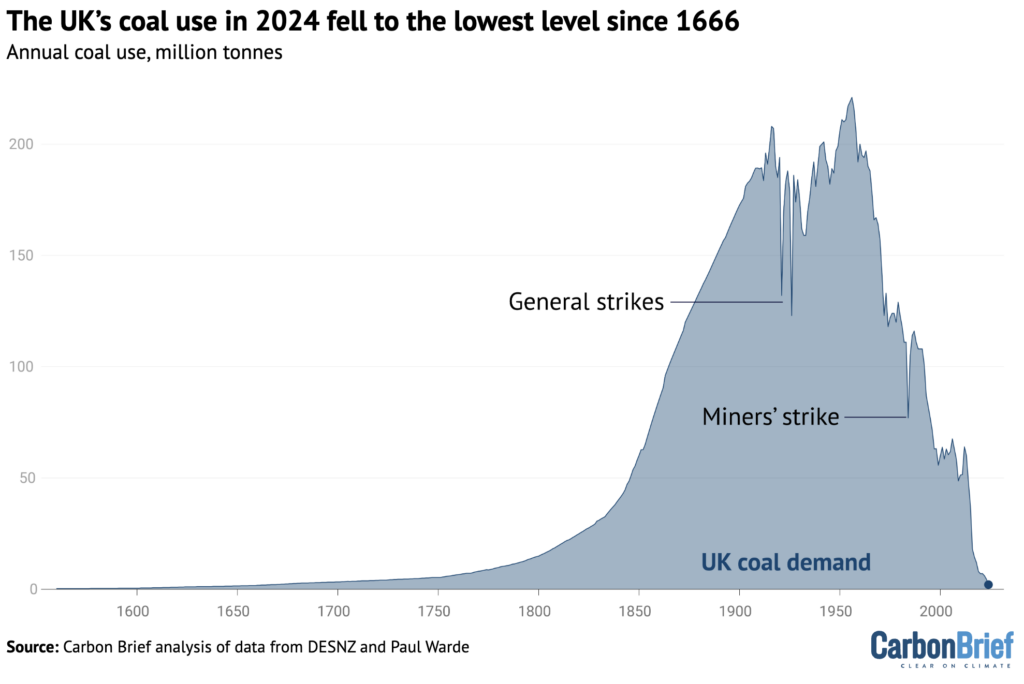
In places like the UK and Europe, the shift is rapid. The UK, for example, has drastically reduced its coal usage and aims for a complete phase-out by 2024. Germany, once heavily reliant on coal, is also on an ambitious trajectory to say goodbye. These are countries with established infrastructure and strong environmental commitments.
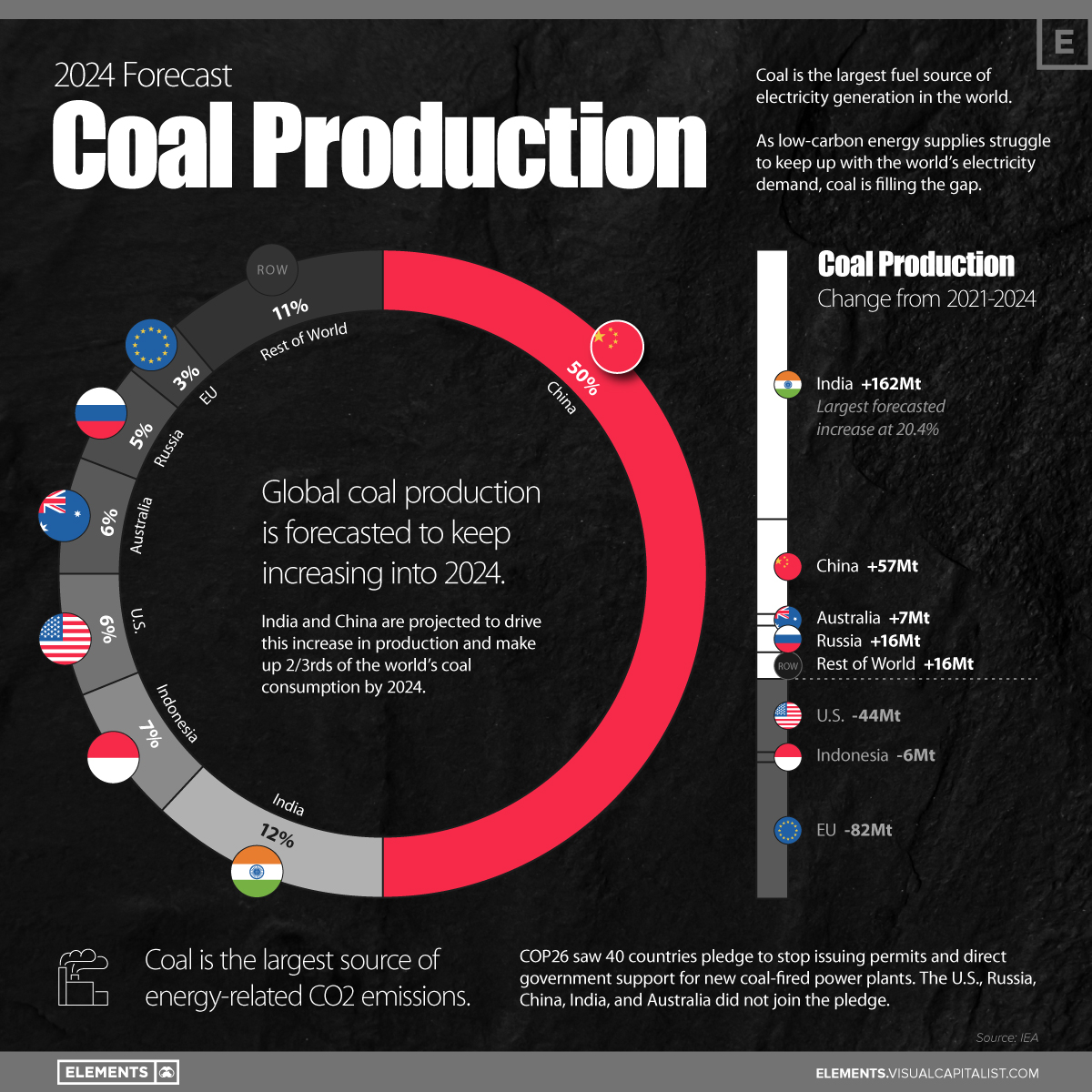
However, in rapidly developing nations like China and India, which still rely on coal to power their booming economies and lift millions out of poverty, the timeline is longer and more complex. While they are also investing heavily in renewables (China is a global leader in solar and wind!), coal still plays a significant role in their energy mix. The good news? Even there, the trend is clear: the rate of new coal plant construction is slowing, and existing plants are being used less frequently.
For the United States, coal-fired power plants are being retired at a steady pace, driven by market forces and environmental regulations. The EIA projects a continued decline in coal’s share of electricity generation. What does this mean for you? It means the energy flowing into your home is progressively getting cleaner, often without you even having to think about it.
The Renewable Reality: Powering a Brighter Tomorrow
The real story isn't just coal's decline, but the meteoric rise of its clean successors. Solar panels adorning rooftops are no longer just for eco-warriors; they're a common sight. Wind turbines, once novelties, now dot landscapes, silently generating immense amounts of power. These technologies are getting smarter, more efficient, and incredibly affordable.
Want to be part of the change? It’s easier than you think! Consider checking if your electricity provider offers a "green energy" option. Many utilities allow you to opt-in to plans where your electricity comes from renewable sources. Even small steps, like being mindful of your energy consumption – unplugging chargers, using energy-efficient appliances, or simply turning off lights – contribute to a lower demand for all energy sources, including coal.
Beyond Coal: What Does Our Energy Future Hold?
Imagine a future with significantly cleaner air, less dependence on volatile fossil fuel markets, and energy security powered by nature's bounty. That's the promise of a post-coal world. Of course, it's not without its challenges – ensuring grid stability, developing efficient energy storage, and ensuring a just transition for communities historically reliant on the coal industry are all vital considerations. But the innovation is relentless, from advanced battery storage to smart grids and even next-generation nuclear power.
The takeaway? While coal isn't vanishing overnight globally, its dominance is undeniably over. The trend is firmly established, and its remaining years as a primary energy source are numbered, likely declining significantly within the next 10-30 years across most major economies, though some niche uses or remote areas might persist longer. The direction of travel is clear and irreversible.
So, the next time you plug in your laptop or flick on a lamp, take a moment. That energy, increasingly, is being generated not by ancient fossil fuels, but by the sun and wind. It's a quiet revolution happening right now, connecting us all to a more sustainable, brighter future. And that's a pretty cool thought to power your day, don't you think?