Hey there, buddy! Sweltering, isn't it? Bet you're thinking about that glorious breeze from your fan right now, blasting away the summer stickiness. But have you ever paused, mid-fanning frenzy, and wondered, "How many watts does this thing actually use?"
I know, I know. It's not exactly the most thrilling dinner party conversation. We're usually too busy debating the best ice cream flavor or whether socks with sandals are ever okay (spoiler: they're not). But trust me, knowing a little bit about your fan's power consumption is actually pretty practical. Especially when that electricity bill lands!
Think about it. We plug stuff in, it works. Magic, right? Until you open that dreaded envelope from the power company. Suddenly, magic turns into math. And understanding how much juice your beloved fan is sipping – or chugging – can actually make a difference. We're talking about being kind to your wallet and maybe, just maybe, feeling a tiny bit smug about your energy wisdom. Who doesn't love a bit of smugness?
The Big Reveal: It Depends!
Okay, so here's the big spoiler: there's no single magic number for "all fans." Shocker, right? It's like asking "how much does a car cost?" Well, is it a skateboard, a sedan, or a souped-up monster truck? Fans are exactly similar. Their wattage totally depends on a few key things: size, type, and how fast you're making it spin.
Let's break it down into the usual suspects you've probably got chilling (pun intended!) around your house.
Your Everyday Fan Wattage Breakdown
The Tiny Tim of Fans: Small Desk Fans
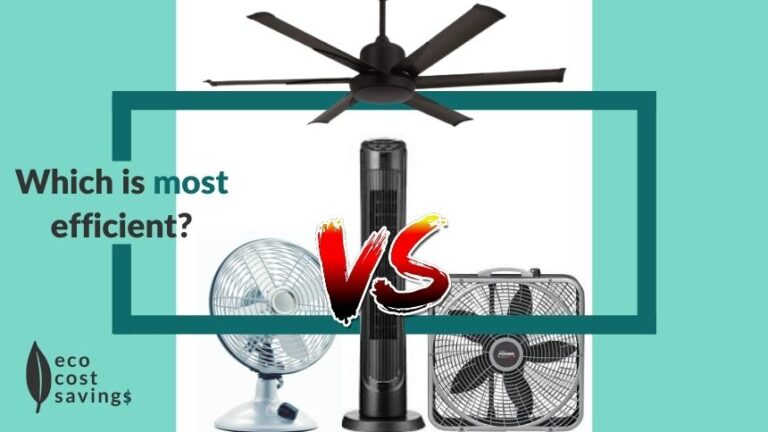
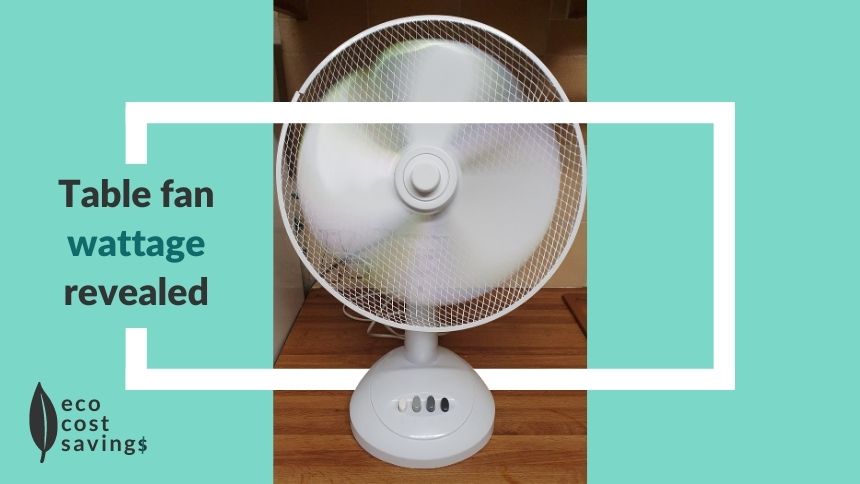
You know the ones. Little guys, barely big enough to ruffle your hair, right? Perfect for your personal bubble of coolness at your desk or bedside. These are the energy sippers of the fan world. We're talking super low, usually in the range of 10 to 30 watts. Barely a blip on your energy radar! Seriously, you could probably run three of these for the same power as one light bulb. Efficient little wonders!
The Room Coolers: Box, Pedestal, and Tower Fans
Now we're stepping up a notch. These are your workhorses for cooling a whole room, not just your face. A standard box fan, with its no-frills, straight-ahead breeze, or a classic pedestal fan, oscillating like it's doing a slow-motion dance, often fall into the 50 to 100 watts zone. Tower fans, with their sleek, modern look, are usually pretty efficient too, hanging out in a similar ballpark. Not bad for moving a decent amount of air and making your living room tolerable, huh?
The Overhead Operator: Ceiling Fans
Ah, the ever-present ceiling fan. Gracefully swirling above, a true classic for continuous air movement. These guys are generally pretty efficient for the sheer volume of air they circulate. Most modern ones, especially those with an ENERGY STAR rating, use anywhere from 15 to 75 watts. A bigger blade span or an older, less efficient motor might push it a bit higher, but generally, they're surprisingly frugal. Plus, they look cool – literally and figuratively!
The Hurricane Makers: Industrial/High-Velocity Fans
And then there are the beasts. You know the ones – big, loud, look like they could launch a small bird. These are usually for workshops, garages, or if you just really want to feel like you're in a wind tunnel. They can easily hit 100 to 200+ watts. Definitely more of a power chugger, but sometimes you just need that hurricane force to clear out some dust or air out a garage, right? They're specialized for a reason!
What Pumps Up the Watts?
So, beyond the fan type, what else affects that wattage number?
- Speed Setting: This is a no-brainer, but worth mentioning! Crank that fan up to 'jet engine' mode, and it's going to pull more power. Low speed? Less watts. Simple physics, my friend.
- Size & Motor: Bigger blades need a bigger, stronger motor to spin 'em. And a stronger motor generally means more watts. Older motors can also be less efficient, meaning they waste more energy as heat instead of effectively turning blades.
How to Find Your Fan's Wattage (Your Inner Detective)
So, you're curious about your specific fan? Good on ya! It's actually super easy to find out. Most fans have a little sticker or label on the bottom, back, or motor housing. It'll usually tell you the voltage (V), amps (A), and sometimes, the watts (W) directly.
If it only gives you volts and amps, just do a quick mental math (or use your phone calculator, no judgment!): Volts x Amps = Watts. Boom! You're an instant wattage expert. How cool is that?
A Quick Thought on Your Electricity Bill
Now, don't get all stressed out thinking your fan is bankrupting you. Fans are, generally speaking, one of the cheaper appliances to run. Even a 100-watt fan running for 10 hours a day for a month is probably only adding a few bucks to your bill, depending on your local electricity rates. It's usually the AC unit that's the real bill-buster, not your humble fan! So, breathe easy. Your fan is probably being a good citizen.
So, there you have it! The low-down on fan watts. It's not about memorizing numbers, but understanding the ballpark and why certain fans use more juice than others. Next time you're chilling with your fan, you'll have a little extra nugget of knowledge. And who knows, maybe you'll impress someone at that next dinner party after all (or just yourself, which is equally important!).
Stay cool, my friend! And keep that breeze blowing.