Hey there, fellow curious human! Ever found yourself staring blankly at your fridge, maybe after a particularly shocking electricity bill, and wondered, "Just how many watts is this frosty behemoth actually gobbling up?"
You’re not alone! It’s a super common question, and honestly, a pretty smart one. Whether you’re trying to impress your friends with your newfound appliance knowledge, planning an off-grid adventure, or just trying to figure out why your power bill looks like a phone number, knowing your fridge’s wattage is a good place to start. So, grab a snack (from your fridge, naturally!), and let’s dive in.
Why Even Bother with Watts?
Good question! Knowing your fridge’s power appetite can help you:
- Estimate electricity costs: The big one! Watts lead to kilowatt-hours (kWh), which lead to dollars.
- Plan for generators or solar setups: If you’re thinking about backup power or going green, you need to know what your appliances demand. You don't want your generator sputtering out mid-ice-cream-melt!
- Identify energy hogs: Is your ancient, avocado-green fridge secretly a power monster? Knowing its watts can guide your upgrade decisions.
The Not-So-Simple Simple Answer: It Depends!
Okay, deep breaths. There isn't a single, universal "fridge wattage" number. Your fridge isn’t like a lightbulb that just glows at 60 watts consistently. Think of it more like a tiny, food-preserving athlete. It has its resting state and its intense workout state.
Most fridges have two main power draws:
- Running Watts: This is what your fridge uses most of the time to maintain its chilly temperature. It’s when the compressor is humming along, doing its job.
- Starting (or Peak) Watts: This is a quick, higher surge of power that happens for a split second when the compressor first kicks on. It’s like a car engine turning over – a quick burst before it settles into a steady cruise.
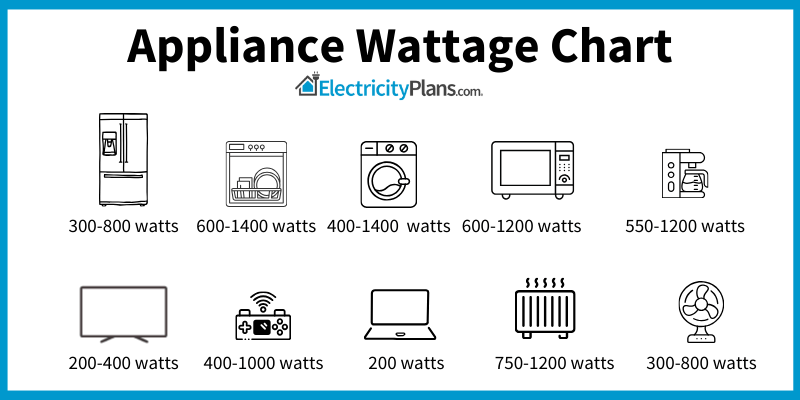
For a typical modern residential fridge, you’re usually looking at:
- Running Watts: Somewhere between 100 to 250 watts.
- Starting Watts: This can spike to around 800 to 1200 watts, but remember, it’s super brief!
What Makes My Fridge More or Less Thirsty?
A few things can swing those numbers around like a tiny refrigerator disco ball:
- Age: Is your fridge older than you are? Older models, especially those from before energy efficiency was a big deal, tend to be much less efficient and consume more watts. Think of them as vintage gas guzzlers.
- Size: It’s pretty intuitive – a mini-fridge uses less power than a massive side-by-side with an ice maker and a touch screen. More space to cool means more work!
- Efficiency Rating: Look for that Energy Star label! These fridges are designed to sip power, not chug it. Upgrading can save you a bundle over time.
- How Often You Open It: Every time you peek in for a snack, you let warm air in. The fridge then has to work harder (and use more watts) to cool things back down. Resist the urge to just stare!
- Ambient Temperature: If your fridge is in a super hot garage, it’s fighting a losing battle and will use more power than one chilling comfortably in a cool kitchen.
Okay, So How Do I Actually Find *My* Fridge’s Watts?
Time for some detective work!
1. The Sticker Says It All (Usually):
The easiest place to check is often right on the appliance itself. Look for a sticker:
- Inside the fridge compartment (often on a side wall or near the top).
- On the back of the fridge.
- Sometimes on the kickplate at the bottom front.
You’re looking for ratings like Volts (V) and Amps (A). If it gives you Watts directly, even better! If not, don't worry, we've got a trick.
2. The Magic Math Formula:
If you only find Volts and Amps, you can do a quick calculation:
Watts = Volts × Amps
Most fridges in North America run on 115V or 120V. So, if your sticker says "120V, 2A," your running watts are roughly 120V * 2A = 240 Watts. Easy peasy!
3. The "Kill A Watt" Meter (My Personal Favorite Gadget!):
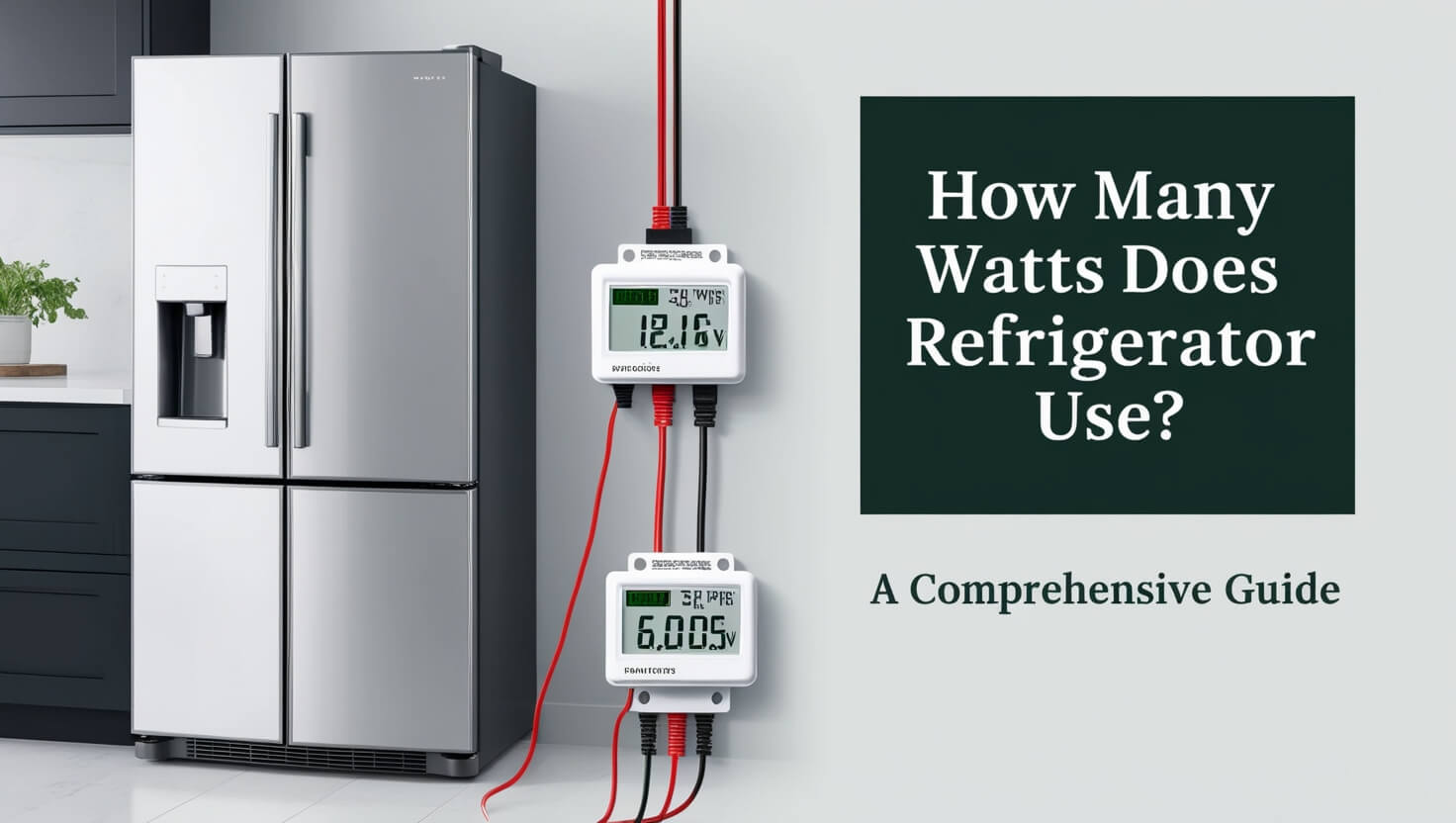
This little device is a game-changer. You plug it into your wall socket, then plug your fridge into the meter. It will then tell you exactly how many watts your fridge is drawing right now, and over time, even calculate kilowatt-hours. It’s super satisfying to watch the numbers change!
4. Check the Manufacturer's Website:
If all else fails, a quick search on the manufacturer's website with your fridge's model number (also usually on that sticker!) can often lead you to its detailed specifications.
Don't Sweat It Too Much!
While it’s good to be informed, remember that your fridge is designed to run efficiently. It cycles on and off throughout the day, only drawing peak power when it needs to. It's not constantly sucking down those high starting watts.
Your fridge is a vital member of your household, keeping your food fresh, your drinks cold, and your ice cream perfectly scoopable. It does a lot of heavy lifting for you!
So, now you're armed with the knowledge to understand your fridge's power habits. Go forth, impress your friends, maybe even save a few bucks on your energy bill, and remember: every little bit of knowledge helps us better understand the amazing world of appliances that keep our lives running smoothly. You've got this, future energy wizard!