Ever found yourself staring at an electricity bill, a new appliance’s label, or even the side of an electric vehicle charger, and thought, "What in the world is a watt? And what's this kilowatt thing about?" You’re not alone! While these terms might sound like something straight out of a science textbook, understanding them is actually one of the most practical superpowers you can acquire for your everyday life. It's about taking control, saving money, and even making greener choices, all from the comfort of your couch.
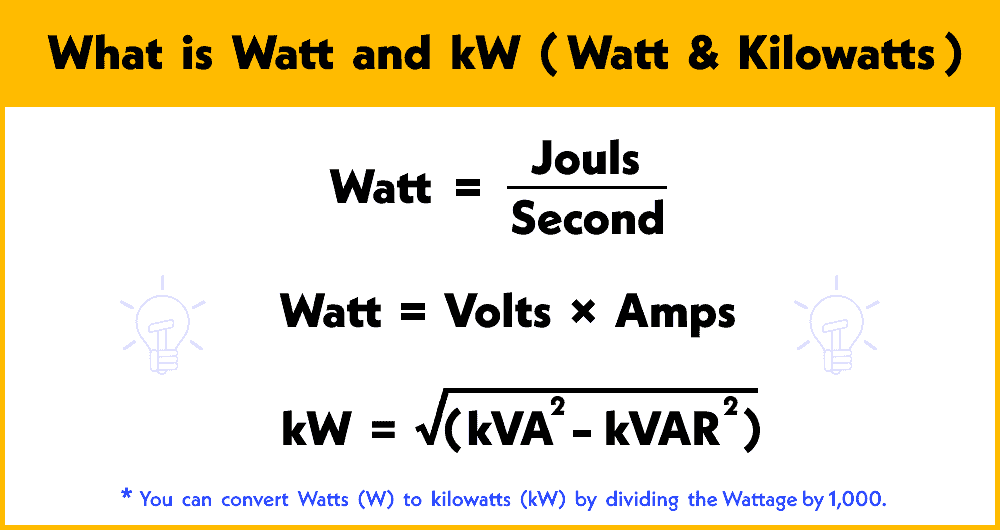
At its heart, understanding watts and kilowatts helps us comprehend the invisible force that powers our modern world: electricity. Think of electricity like water flowing through a pipe. A watt is simply a unit of power, telling you how much energy an electrical device needs to operate at a given moment. It’s like measuring the instantaneous flow rate of water. A tiny LED bulb might sip a mere 5 watts, while a hungry hairdryer could guzzle 1,500 watts. The more watts, the more power it consumes, and generally, the more heat or work it produces.
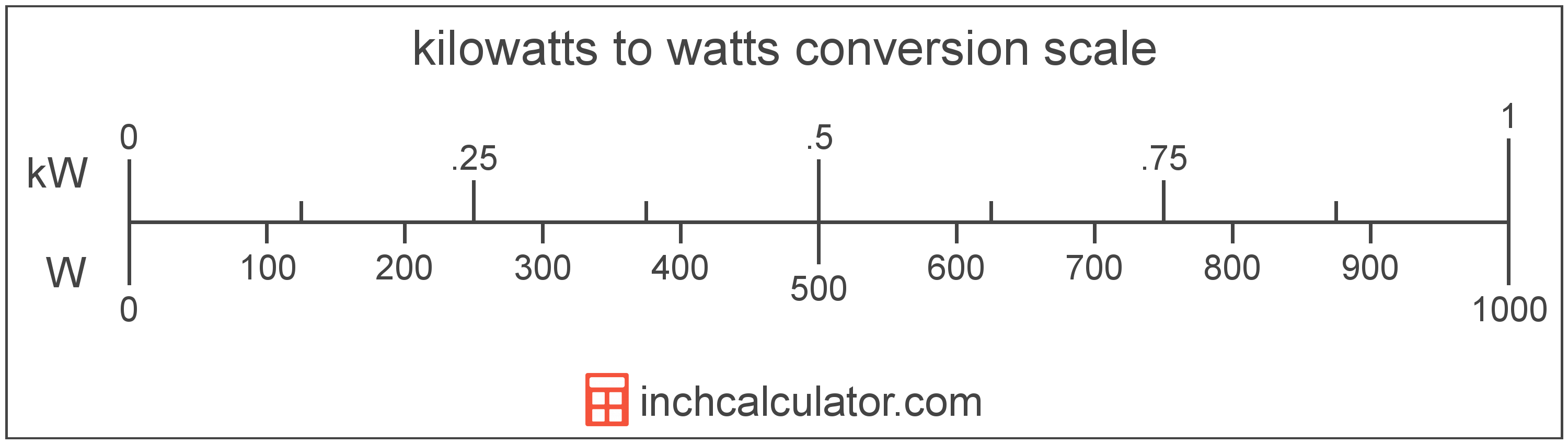
Now, let's introduce the big sibling: the kilowatt. The prefix "kilo-" always means one thousand, so a kilowatt is simply 1,000 watts. It's that simple! If watts are like individual drops of water, then a kilowatt is like a whole liter. Why do we bother with kilowatts? Because many of our household appliances are quite powerful, and talking in thousands of watts is just more convenient. Your oven might be a 2-kilowatt beast, and your electric car charger could pump out 7 kilowatts to quickly replenish your battery. Your electricity bill, by the way, almost certainly charges you by the kilowatt-hour (kWh), which measures how many kilowatts you've used over an hour. Understanding this relationship is your first step to becoming an energy guru!
The benefits of this knowledge are immense and immediate. For starters, it helps you decipher your electricity bill. When you see your usage in kWh, you can better understand which appliances are the biggest energy hogs. This leads to smarter purchasing decisions; comparing the wattage of two similar appliances can help you choose the more energy-efficient option. It also empowers you to prevent blown fuses or tripped breakers by not overloading a single circuit with too many high-wattage devices. On a broader scale, knowing about kilowatts is crucial for understanding renewable energy systems like solar panels (whose output is measured in kilowatts) or even the charging infrastructure for electric vehicles.
So, how can you "enjoy" this power more effectively? Here are some practical tips:
- Read the Labels: Most appliances have their wattage clearly listed. Take a moment to check. You might be surprised!
- Get an Energy Monitor: Simple plug-in devices can tell you exactly how many watts an appliance is currently drawing. This makes the invisible visible.
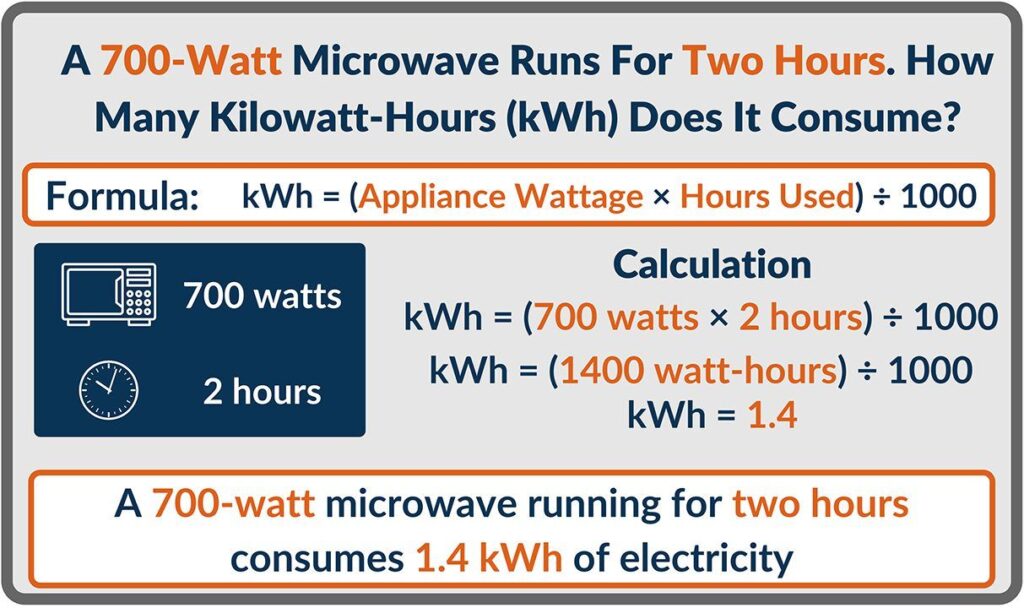
- Do the Math: To estimate how much an appliance costs to run, take its wattage, divide by 1,000 (to get kilowatts), multiply by the hours it's used, and then multiply by your electricity rate per kWh. For example, a 1500-watt hair dryer used for 15 minutes (0.25 hours) at $0.15/kWh costs (1.5 kW * 0.25 h * $0.15/kWh) = about 6 cents per use.
- Unplug "Phantom Loads": Many electronics, like phone chargers or TVs, still draw a small amount of "standby" wattage even when turned off. Unplugging them can save a surprising amount over time.
By simply grasping that 1 kilowatt equals 1,000 watts, you unlock a clearer understanding of your energy consumption, making you a more informed consumer and a more efficient energy user. It’s not just about numbers; it’s about making smarter choices for your wallet and the planet. Go forth and conquer those kilowatts!