Ever found yourself basking in the glorious, life-affirming breeze of a fan on a sweltering day, only to have a tiny, nagging thought whisper in your ear: "But how much electricity is this delightful whirring machine actually munching on?" Fear not, my fellow comfort-seeker! We're about to dive headfirst into the wonderfully uncomplicated world of fan wattage, and I promise you, it's far less stressful than trying to assemble flat-pack furniture.
What's the Deal with Watts, Anyway?!
Let's simplify this whole "watt" business. Think of a watt as a tiny little unit of electrical power. It's like how fast a car can go, but for electricity. The more watts something uses, the more "oomph" it needs to do its job. A big, beefy truck needs more fuel than a zippy scooter, right? Same principle. When you see a number like "60 watts" on a fan, it simply means that's how much electrical energy it's pulling from the wall every single second it's running. But here's the juicy secret: for most fans, that number is surprisingly, refreshingly, delightfully
From Tiny Twirlers to Mighty Movers: Fan Watts Revealed!
The Little Desk Dynamo (and Your Phone Charger's Cousin!)
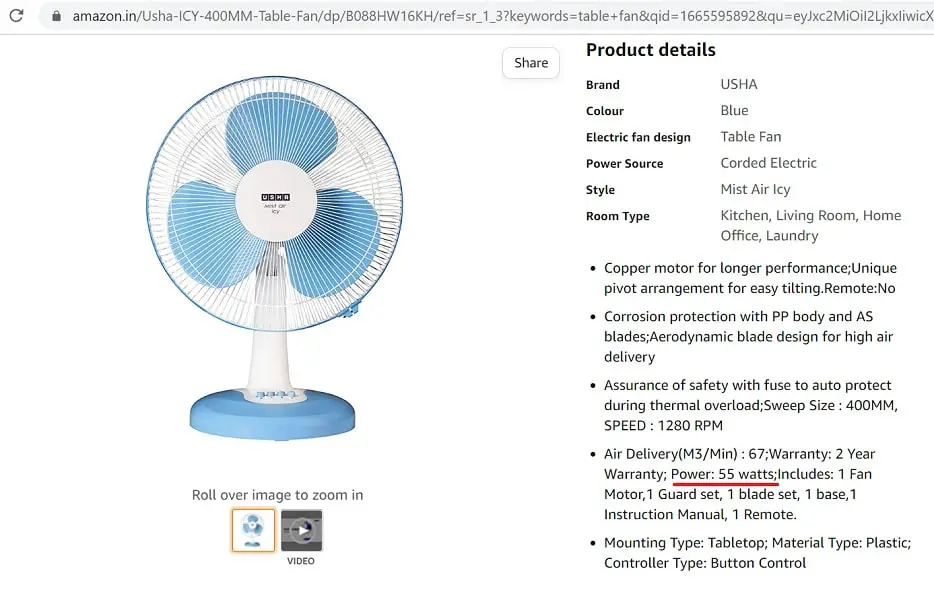
First up, let's talk about the absolute champions of chill, the desk fans. You know the ones – they sit next to your laptop, valiantly battling the heat of your workday. These little heroes typically sip electricity. We're talking anywhere from a whisper-quiet 5 to 30 watts. To put that into perspective, your average smartphone charger probably uses around 5-10 watts just to juice up your phone! So, that little fan that's keeping your brain from melting? It's barely making a dent. It's like it's just politely asking for a few sips of power, then getting right back to business.
The Breeze-Blasting Box & Floor Fans
Now, let's turn up the volume a bit (literally, sometimes!). The trusty box fan or a good old floor fan, ready to make a room feel like a wind tunnel (in the best way possible!), uses a bit more gusto. These workhorses generally range from about 30 to 80 watts. Even at their mightiest, pushing air with impressive force, they're still not hogging the spotlight on your energy bill. They're more like a friendly golden retriever – they take up a bit more space, have more energy, but are still incredibly welcome in your home.
The Graceful Glide of a Ceiling Fan
Ah, the elegant ceiling fan! Spinning silently above, a silent guardian of comfort. These beauties are actually incredibly efficient, especially compared to their big, electricity-guzzling cousin, the air conditioner. A typical ceiling fan, depending on its speed setting, will usually hover somewhere between 10 to 75 watts. On its lowest, most gentle setting, it's practically just humming a lullaby to your wallet. Even on high, it's giving you a whole lot of breezy goodness for surprisingly little energy cost.
The Sleek Tower Fan's Secret
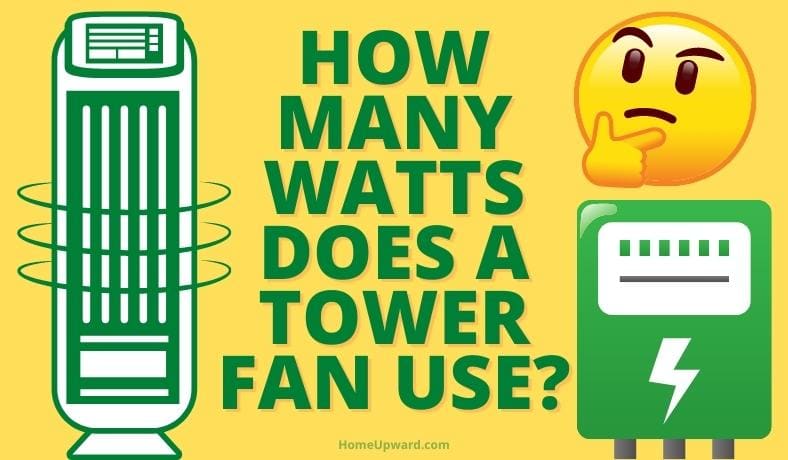
Modern, stylish, and often space-saving, tower fans are the cool kids on the block. They fit into tight corners and offer a wide oscillation. Their energy consumption usually aligns quite nicely with desk and smaller floor fans, typically falling in the 25 to 60 watt range. They're like the ninja of fans – sleek, effective, and surprisingly low-key with their power demands.
Putting It All in Perspective: Fans vs. the Big Guns!
Okay, so we know fans use watts, and those numbers seem pretty low. But what does that *really* mean for your electricity bill? Let's get playful with some comparisons:
A typical microwave blasts through electricity at around 600 to 1500 watts while heating your popcorn. Your fan, meanwhile, is just calmly existing, giving you glorious air, for a fraction of that.
An average hair dryer can devour anywhere from 1200 to 1875 watts in just a few minutes of styling. So, while you're battling frizz, your fan could run for hours and still not catch up!
Even a good old-fashioned incandescent light bulb might use 60 watts, just to give you some light! Your fan is often doing more work, spreading more joy, for the same (or less!) wattage. When you compare it to genuine powerhouses like a central air conditioning unit (which can easily suck down 3000-5000 watts per hour!), a fan is a veritable energy miser. It's the difference between driving a compact car and a massive eighteen-wheeler. Both get the job done, but one is clearly sipping gas while the other is chugging it down.
So, What's the Grand Takeaway Here?
The exhilarating truth is, fans are your friends! They are incredibly energy-efficient ways to keep cool and comfortable without sending your electricity bill into outer space. You can run your favorite desk fan all day long, happily whirring away, and barely notice it on your monthly statement. So go ahead, crank up that fan, enjoy that delightful breeze, and banish those nagging wattage worries. Your comfort (and your wallet) will thank you. Now, if you'll excuse me, I'm off to revel in my own fan-powered paradise!