Ever encountered a phrase that sounds like a riddle, but actually unlocks a whole new level of understanding about the world around you? For many artists, hobbyists, and curious minds, the question, "How Many Watts Are In A Kwh?" is precisely that kind of magical key. It might seem like a purely technical query, but it’s becoming a surprisingly popular gateway to demystifying the invisible forces that power our creativity, making it an invaluable concept for anyone who builds, crafts, or dreams big.
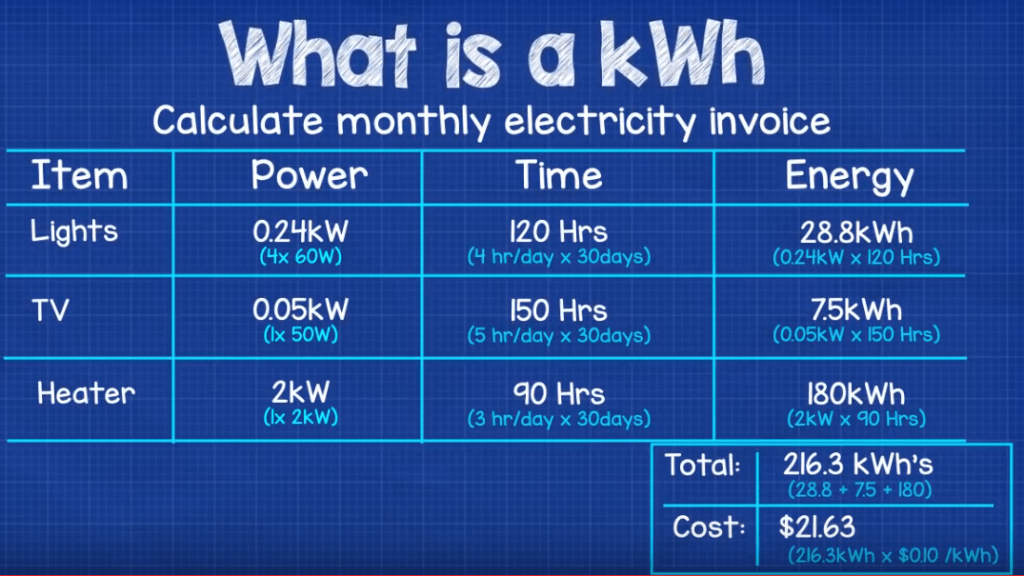
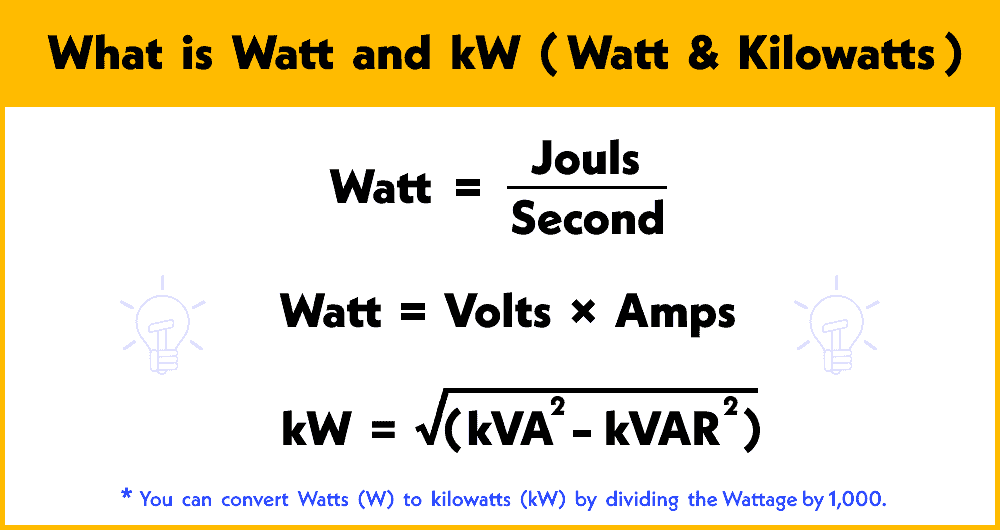
At its heart, understanding watts and kilowatt-hours (kWh) isn't about memorizing formulas; it's about gaining empowerment and control. Think of it this way: a watt (W) is like the speed at which electricity is used – how fast your favorite power tool chews through energy, or how brightly your studio lights shine. A kilowatt-hour (kWh), on the other hand, is the distance traveled – the total amount of energy consumed over a period of time. So, to answer the initial riddle: there aren't "watts *in*" a kWh in the same way ounces are in a cup, because they measure different things. Instead, one kWh represents 1,000 watts of power used for one entire hour. It’s a measure of energy, not just instantaneous power!
This subtle but crucial distinction offers incredible benefits for the creative soul. For artists, it means smartly outfitting your studio with efficient lighting, understanding the energy footprint of your kiln, or planning power needs for an outdoor installation. Hobbyists can suddenly calculate how long their homemade LED project will run on a battery pack, or design a more sustainable setup for their 3D printer. Even casual learners will find themselves making savvier choices about home appliances, saving money, and contributing to a greener planet, all while feeling more connected to the technology they use daily.
Consider the sculptor working with power tools: knowing the wattage of their grinder helps them understand its immediate power draw. But when they get their electricity bill, that's measured in kWh – the total "distance" of energy used by all their tools and lights over a month. Or imagine a crafter designing a portable light-up costume: understanding how many watts their LEDs consume allows them to calculate the necessary battery capacity in kWh, ensuring their creation glows all night long without an unexpected blackout.
Ready to try unlocking this knowledge at home? It’s easier than you think! Start by simply looking at your appliances; most will have their wattage clearly labeled. Then, think about how long you use them. For example, a 100-watt light bulb used for 10 hours consumes 1000 watt-hours, or 1 kWh. For deeper dives, consider investing in a simple, affordable kill-a-watt meter that plugs into your wall and measures real-time usage. There are also many fantastic online calculators that can help you estimate energy consumption for various projects.
Ultimately, delving into "How Many Watts Are In A Kwh" isn't just about numbers; it's about fostering a deeper appreciation for the energy that fuels our lives and our passions. It brings a sense of intelligent design to our creative endeavors, making us more efficient, more innovative, and more aware. There's a genuine joy in understanding the unseen, and in using that knowledge to build, create, and inspire with greater purpose and peace of mind.