Ever stared blankly at the back of your toaster, a phone charger, or even a fancy new hair dryer? You know, at those tiny, cryptic numbers? You see things like '120V' and '15A'. And if you're anything like us, a little thought bubble might pop up: "Okay, so... how many of those 'V' things are hiding inside one of those 'A' things?"
It’s a perfectly normal question! We live in a world where everything seems to be made up of smaller parts. How many minutes in an hour? How many ounces in a pound? So, it makes total sense to wonder how many volts are packed into an amp. But prepare yourself for a truth bomb, delivered with a playful wink.
The Big Question (and Our Unpopular Opinion!)
Our highly scientific, yet utterly informal, 'unpopular' opinion is this: you can't actually find volts *inside* an amp. It's a bit like asking "How many miles per hour are in a gallon of gas?" Or "How many degrees Celsius are in a kilometer?" The questions sound a little... off, right? That's because you're trying to mix up different ways of measuring completely different things.
It's not that we're trying to be difficult, honest! We just want to clear up a common misconception that makes electricity sound far more complicated than it needs to be. So, let's break it down in a way that makes you go, "Aha!" rather than "Huh?"
Think of It Like... Water!
Imagine electricity is like water flowing through pipes. This is often the easiest way to picture it.
Your volts? Those are the pressure in the water pipes. Think about your garden hose. When you turn up the tap, the water comes out with more force, right? That's higher pressure. If you've got strong water pressure, things happen! Sprinklers spray further, and you can fill a bucket faster. So, volts are the push, the electrical potential, the "oomph" that gets things moving.
Volts = The pressure or push behind the electricity.
Now, what about amps? Those are the actual amount of water flowing past a certain point in the pipe at any given moment. If you've got a really fat pipe and lots of water gushing through it, that's high amps. If it's just a trickle, that's low amps. It's the sheer quantity, the volume of electrical stuff moving.
Amps = The flow or current of electricity itself.
See? You wouldn't ask "How much water pressure is inside a gallon-per-minute of water flow?" You need pressure for water to flow, but they are distinct measurements. One doesn't contain the other. They work together, like a dynamic duo, but they are not the same thing.
Or Maybe... A Busy Highway!
Let's try another one. Picture a highway teeming with cars.
The volts are like the desire to move, the speed limit, or even the push from all the eager drivers wanting to get from Point A to Point B. They provide the fundamental energy that allows movement to happen. It's the potential for speed, the impetus.
The amps, on the other hand, are the actual number of cars, bumper-to-bumper, zipping past a specific toll booth every minute. If there are tons of cars moving, that's high amps. If it's the dead of night and only a few cars trickle by, that's low amps.
You can have a high speed limit (lots of volts) but few cars (low amps) if it's a deserted road. Or you could have a slow crawl (low volts, relatively) but packed with cars (high amps) if there's a big traffic jam. Again, they're related, they both describe the movement on the highway, but one isn't contained within the other.
So, What's the Deal Then?
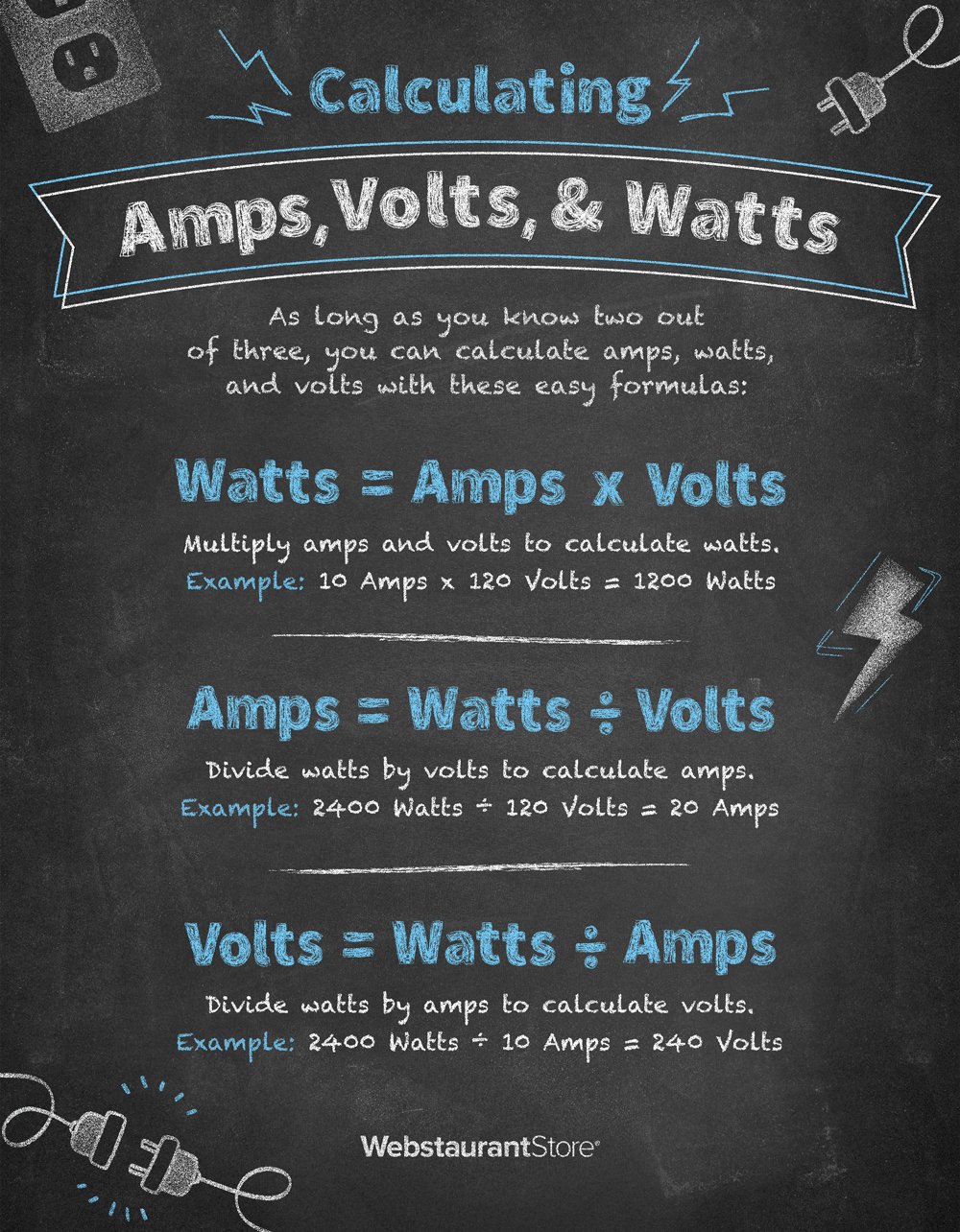
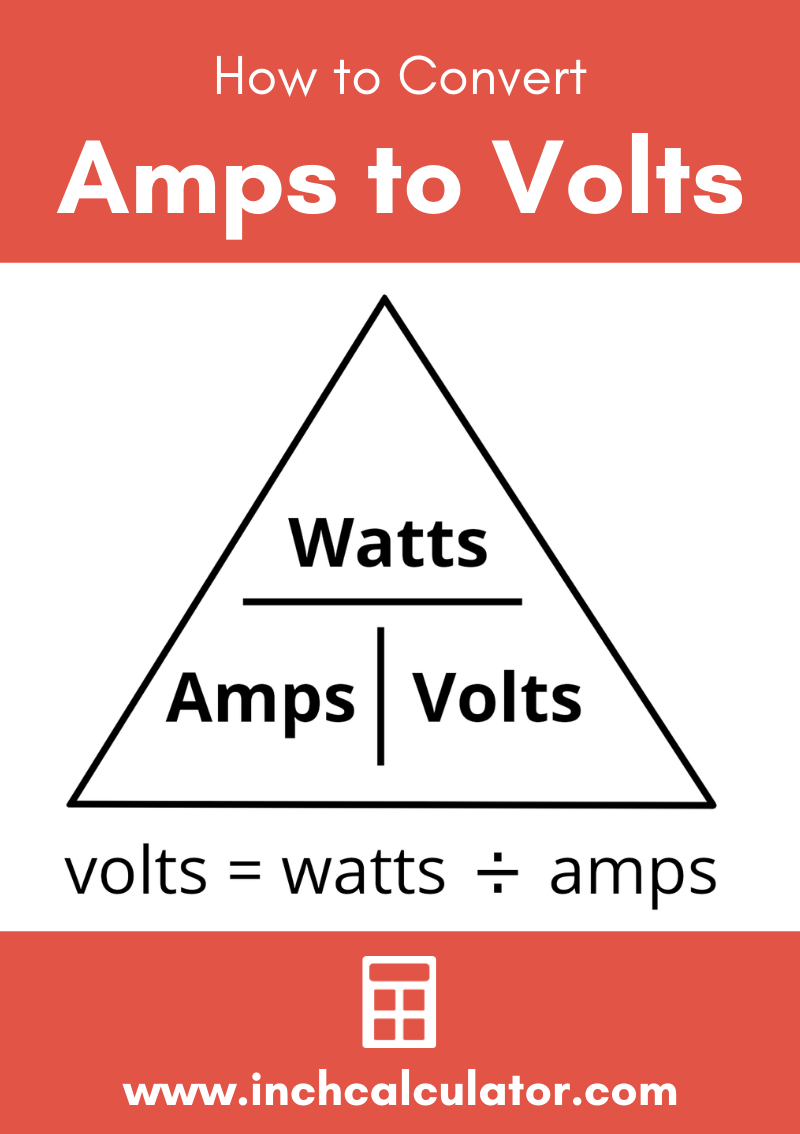
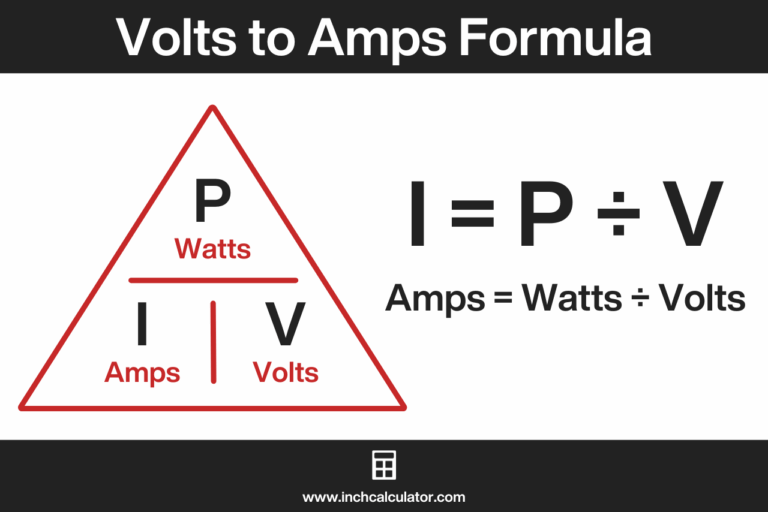
The reason we often get these two mixed up is because in the real world, they always come as a pair. To make your hair dryer work, you need both the right amount of voltage (the push from the wall socket) AND the right amount of current (the actual flow of electricity that heats up the coils).
A device needs a certain push (volts) to make a certain amount of flow (amps) happen through its internal workings. It's a relationship, a partnership, like peanut butter and jelly, or coffee and Monday mornings. You rarely see one without the other when you're powering up your gadgets.
So, next time you stare at those numbers, remember this: volts tell you about the potential energy or pressure. Amps tell you about the rate of flow. They're both crucial measurements for understanding electricity, but they're not interchangeable, and one doesn't magically sit inside the other.
You can now confidently agree with our slightly silly 'unpopular' opinion. Go forth and amaze your friends with your newfound clarity! And please, don't try to squeeze any volts into your amps. They're happy just being themselves.