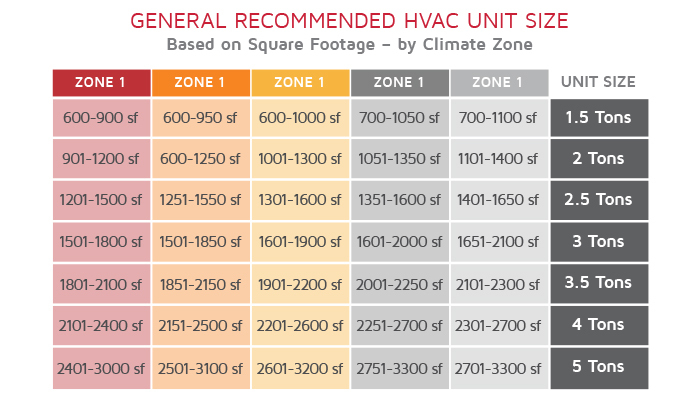
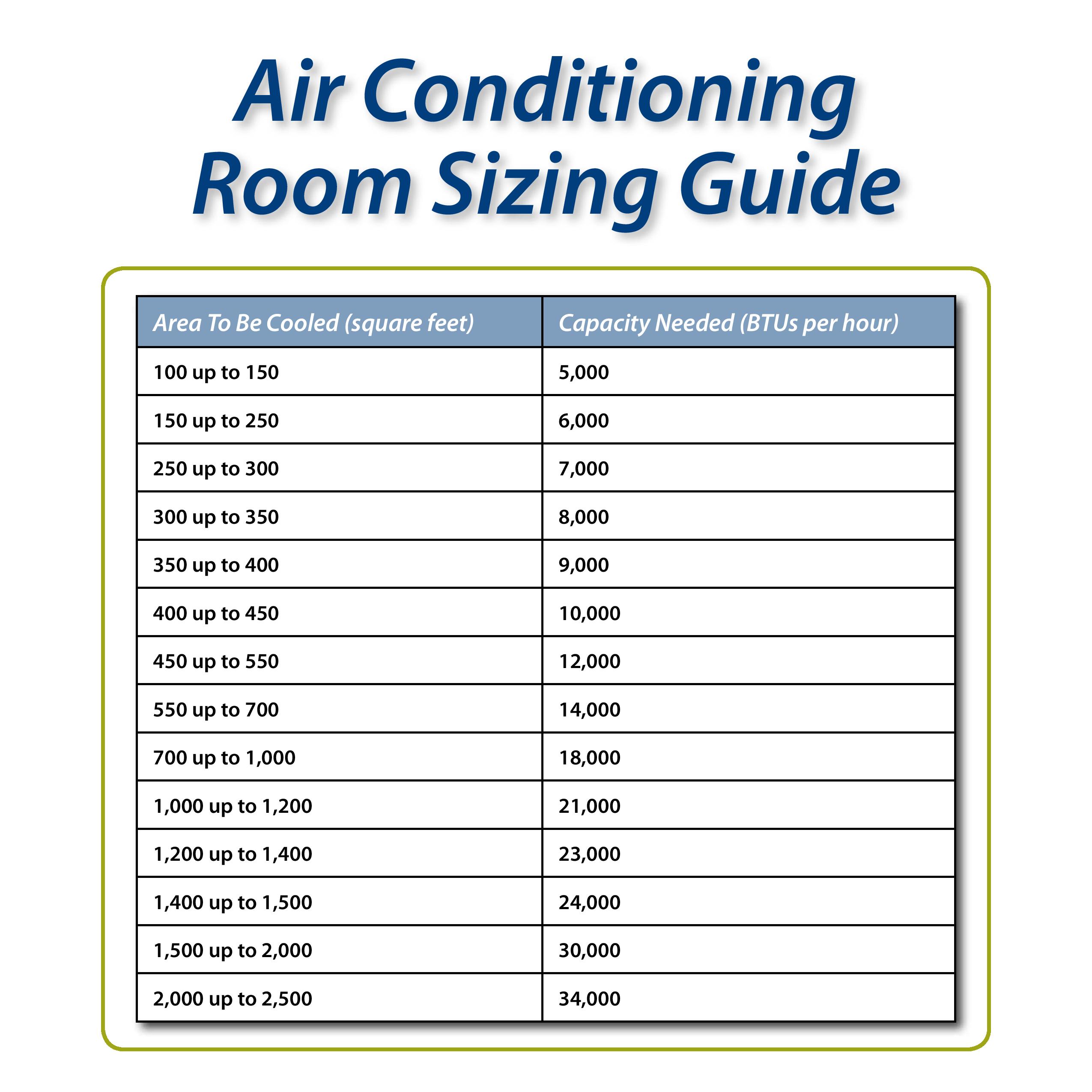
Alright, friend, pull up a chair, grab your favorite mug. We need to talk about something that probably keeps you up at night, or at least makes you sweat during the day: your HVAC system. Specifically, how many tons of AC you actually need. It’s like trying to decode ancient hieroglyphs, right? All those numbers and mysterious terms!
And let's be real, you've probably heard someone casually drop, "Oh, for my place, I needed a 3-ton unit," and you're left thinking, "A ton? Is it, like, heavy? Am I going to crush my roof?"
So, What Even Is a Ton of HVAC?
Good question! And no, it’s not about weight. Mercifully. Back in the day, before all this fancy refrigeration stuff, people used to cool things with big blocks of ice. A "ton" of cooling capacity literally meant the amount of heat energy needed to melt one ton of ice in 24 hours. Wild, huh?
Today, it's just a unit of measurement for how much heat your AC can remove from your home in an hour. One ton equals 12,000 BTUs (British Thermal Units) per hour. The bigger the number, the more cooling power it packs. Think of it as horsepower for your comfort. You wouldn't put a tiny scooter engine in a monster truck, would you? (Unless you're just trying to be funny, which, points for effort!)
Why Can’t I Just Guess My HVAC Tonnage?
Oh, if only it were that simple! This is where things get a little bit Goldilocks. You don't want an AC that's too small, because then it’ll run endlessly, struggle to cool your home, and basically just make sad, whirring noises while you still melt on the sofa. Your energy bills will skyrocket, and you'll still be warm. Nobody wants that!
But—and this is a big "but"—you also don't want one that's too big. Sounds counterintuitive, right? More power, more cool? Not quite. An oversized unit will blast your home with arctic air, hit the thermostat setting super fast, and then shut off. This leads to what we call "short cycling."
Short cycling is a bad deal, folks. It means your AC doesn’t run long enough to properly dehumidify your home. So you end up with a house that feels chilly but also strangely sticky and clammy. Plus, the constant starting and stopping puts more wear and tear on the system, which can mean more breakdowns and a shorter lifespan for your expensive equipment. Not ideal, to say the least!
What Actually Goes Into Sizing Your HVAC? (It's More Than Just Square Footage!)
This is where it gets fun – and complicated enough that you probably want a pro involved. But let’s peek behind the curtain!
1. Square Footage: The Obvious One (But Not the Only One!)
Yes, the size of your home absolutely matters. A small condo needs less cooling than a sprawling mansion. But it's just the starting point, like step one on a treasure map.
2. Ceiling Height: The Unsung Hero (or Villain!)
Got those trendy vaulted ceilings? Beautiful, right? But they also mean a much larger volume of air to cool. Higher ceilings mean you might need a bit more oomph from your AC than a home with standard 8-foot ceilings, even if the square footage is the same. Sneaky!
3. Insulation & Windows: Your Home's Winter Coat & Sunglasses
This is huge. A well-insulated home (good walls, attic, etc.) holds cool air in like a champ. Poor insulation? It’s like trying to keep a refrigerator cold with the door open. Similarly, the number, size, and type of windows you have, especially those sun-facing ones, play a massive role. Ever felt the sun blast through a window? That’s a lot of heat gain your AC has to fight!
4. Climate Zone: Location, Location, Location!
Are you battling the scorching summers of Arizona or enjoying the milder vibes of the Pacific Northwest? Your geographical location and typical climate conditions are absolutely critical. Someone in Florida needs a different approach than someone in, say, Minnesota.
5. Occupants & Appliances: Little Heat Machines!
Every person in your home generates heat. Every computer, TV, oven, and refrigerator does too! It's like having a bunch of tiny little furnaces running. More people, more gadgets? More heat your AC has to overcome. Who knew your Netflix binge was contributing to the problem?
6. Ductwork: The Invisible Delivery System
The condition and layout of your existing ductwork are also factors. Leaky ducts can lose a lot of that precious cool air before it even reaches your rooms. It's like trying to drink water from a sieve – most of it just escapes!
The "Just Right" Zone: How to Get There
See? It's not just a quick glance and a wild guess! There are so many variables. This is why attempting to DIY your HVAC tonnage calculation is a recipe for headaches, discomfort, and potentially a lighter wallet.
What you actually need is a professional HVAC technician to perform a proper "load calculation." They use special software and their expert knowledge to crunch all those numbers and factors unique to your specific home. This isn't just pulling a number out of a hat; it’s a detailed, scientific approach to ensure you get the perfect fit.
So, instead of scratching your head and wondering if your home needs one ton or five tons (and what those even mean!), save yourself the trouble. Call in the pros. They'll tell you exactly what your home needs to be that perfectly comfortable, "just right" haven, all year long. And then, you can finally relax and enjoy that coffee in your perfectly air-conditioned space!