Alright, friend, let's tackle a question that probably pops into your head right after you realize your TV remote is dead, or your kid's favorite toy has gone silent. You grab an AA battery, maybe squint at the packaging, and wonder: "Just how much juice is actually in this little cylindrical powerhouse?" More specifically, you might ask, "How many mA in an AA battery?"
And let me tell you, it's not a silly question at all! It's a fantastic one, and we're going to break it down without needing a science degree. Think of this as your personal, no-stress chat about battery power. No pop quiz at the end, I promise!
First things first: What the heck is 'mA'?
Okay, before we dive into AA specifics, let's demystify "mA." You usually see it as "mAh", which stands for milliampere-hour. Sounds fancy, right? But it's actually super simple.
Imagine your battery is a tiny fuel tank for your gadgets. The mAh rating tells you how much fuel that tank holds. A milliampere (mA) is a unit of electric current, and when you add the "h" for hour, it means how much current the battery can deliver for one hour before it runs completely dry. So, a battery with 1000 mAh can deliver 1000 mA for one hour, or 500 mA for two hours, or 100 mA for ten hours. You get the picture!
It's basically the capacity of the battery. More mAh means more playtime for your device. Simple as that! Think of it like a bigger gas tank in your car – more miles before you need to refuel (or replace the battery!).
The Star of Our Show: The AA Battery
Ah, the trusty AA. It's practically the unsung hero of countless households. From clocks to flashlights, wireless mice to those toys that make endless repetitive noises (you know the ones!), the AA battery is everywhere. But here's where it gets a little interesting: not all AA batteries are created equal when it comes to their mAh rating.
This is where the plot thickens ever so slightly, but don't worry, we'll navigate it together. It largely depends on the type of chemistry inside that little metal casing.
So, How Many mAh Are We Talking About?
Alright, drumroll please! This is the moment we've been building up to. The answer to "How many mA in an AA battery?" is... well, it depends! (I know, I know, not the simple number you wanted, but bear with me, it's for a good reason!)
1. Standard Alkaline AA Batteries
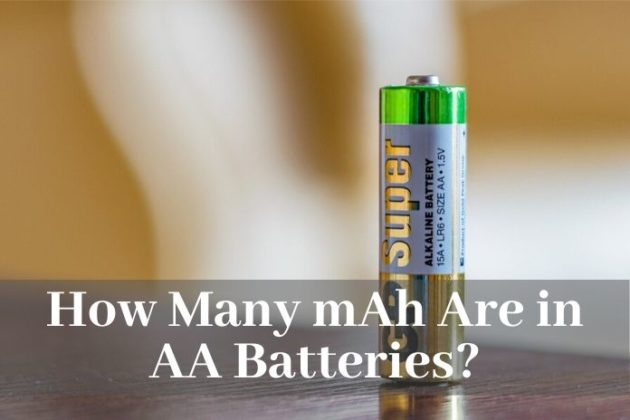
These are your everyday, run-of-the-mill AA batteries. The ones you buy in big packs at the supermarket. Fun fact: alkaline batteries don't usually have a clearly stated mAh rating on their packaging. Why? Because their capacity isn't constant; it changes based on how much current your device is drawing.
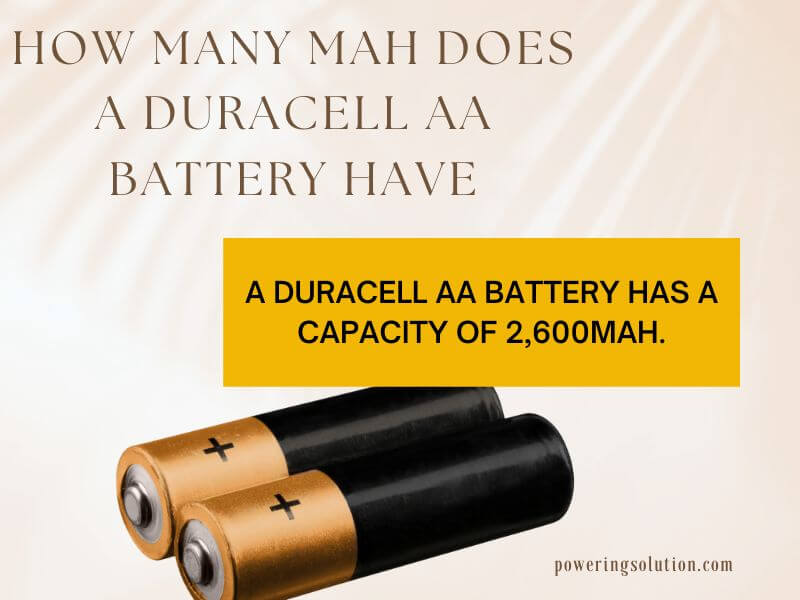
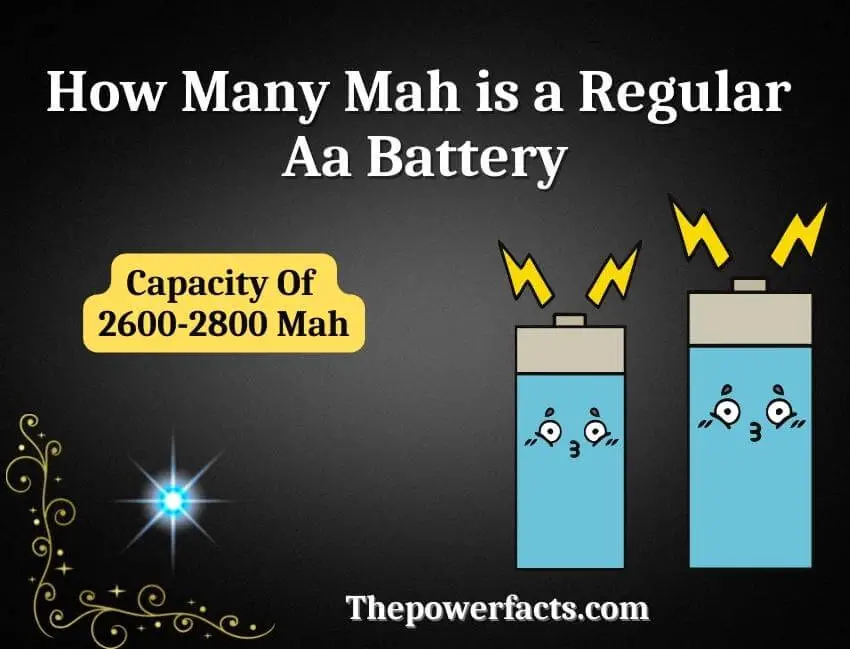
However, if you had to put a number on it for typical use, an alkaline AA battery generally offers somewhere in the range of 1800 mAh to 2700 mAh. But remember, this is a bit of a guesstimate and varies wildly with the drain rate. For a remote control, they last ages; for a power-hungry digital camera, not so much.
Think of them as the reliable, steady workhorse for low-drain devices. They're great, but maybe not for your super-duper gaming controller that demands constant power like a toddler demands snacks.
2. Rechargeable NiMH (Nickel-Metal Hydride) AA Batteries
Now these guys are different! Rechargeable batteries, like the popular NiMH type, almost always boast their mAh rating right on the battery itself. This is because their capacity is much more stable across different discharge rates.
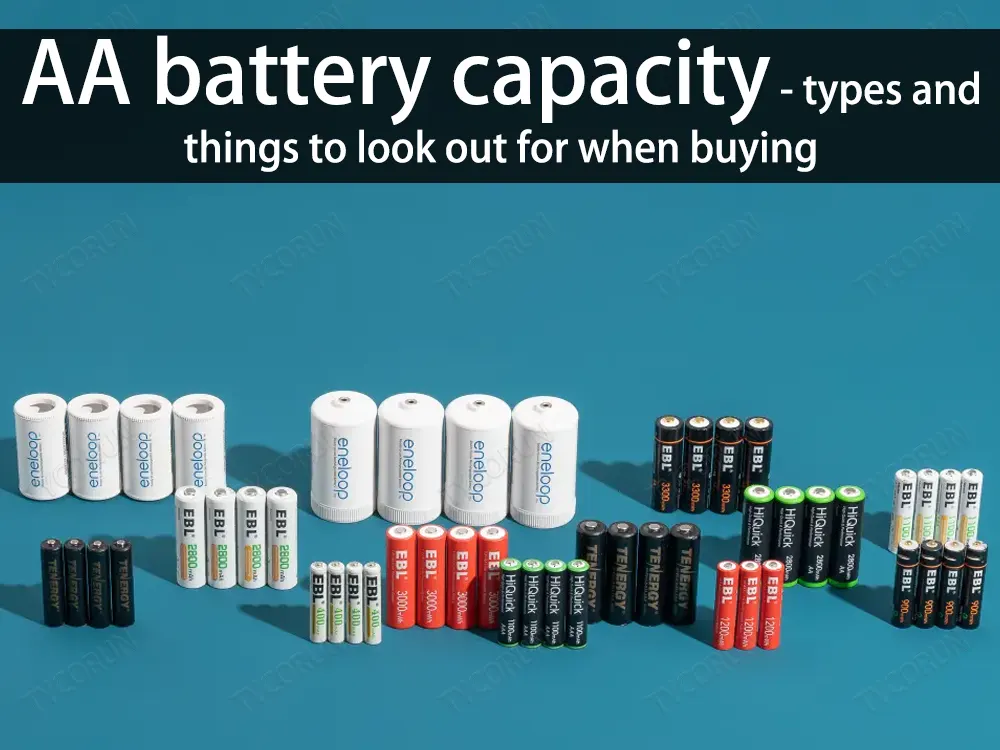
For NiMH AA batteries, you'll commonly see ratings from around 1900 mAh to a whopping 2800 mAh! High-capacity NiMH AA batteries are fantastic for devices that really chew through power, like digital cameras, game controllers, or those sophisticated smart home gadgets. Plus, they're rechargeable, which means less waste and more savings in the long run. Go green!
3. Lithium AA Batteries (Non-Rechargeable)
These are a bit less common but are absolute powerhouses. They're usually more expensive, but they offer superior performance, especially in extreme temperatures and for long shelf life. They also boast a very flat discharge curve, meaning they maintain their voltage for longer.
Lithium AA batteries can offer capacities in the range of 2500 mAh to even 3000 mAh or more. If you need maximum performance and don't mind the price tag, these are your go-to.
Why Does It Matter?
So, why did we just spend all this time dissecting battery capacities? Because understanding mAh helps you pick the right battery for the right job!
- For your TV remote, a standard alkaline AA is perfectly fine. You don't need to splurge on high-capacity NiMH.
- For that digital camera that eats batteries like they're going out of style, a good set of 2500 mAh NiMH rechargeables will save you headaches (and money!).
- For an outdoor sensor that needs to last through a harsh winter, a lithium AA might be worth the investment.
Always check your device's manual for recommended battery types, and when in doubt, those rechargeable NiMHs are often a fantastic all-around choice for many gadgets.
The Takeaway: You're a Battery Pro Now!
See? Not so scary after all! You now know that "mA" in a battery, specifically "mAh," is just a fancy way of saying how much power capacity it holds. And you know that for an AA battery, that capacity can range from a good 1800 mAh for a standard alkaline, all the way up to 2800 mAh (or more!) for a high-performance rechargeable or lithium version.
So next time your device goes quiet, you can confidently grab the right power source for the job, knowing exactly what kind of energy boost you're giving it. Go forth and power all your adventures, big or small! May your remotes always have juice, and your gadgets never run out of steam at the crucial moment. Stay charged, my friend!