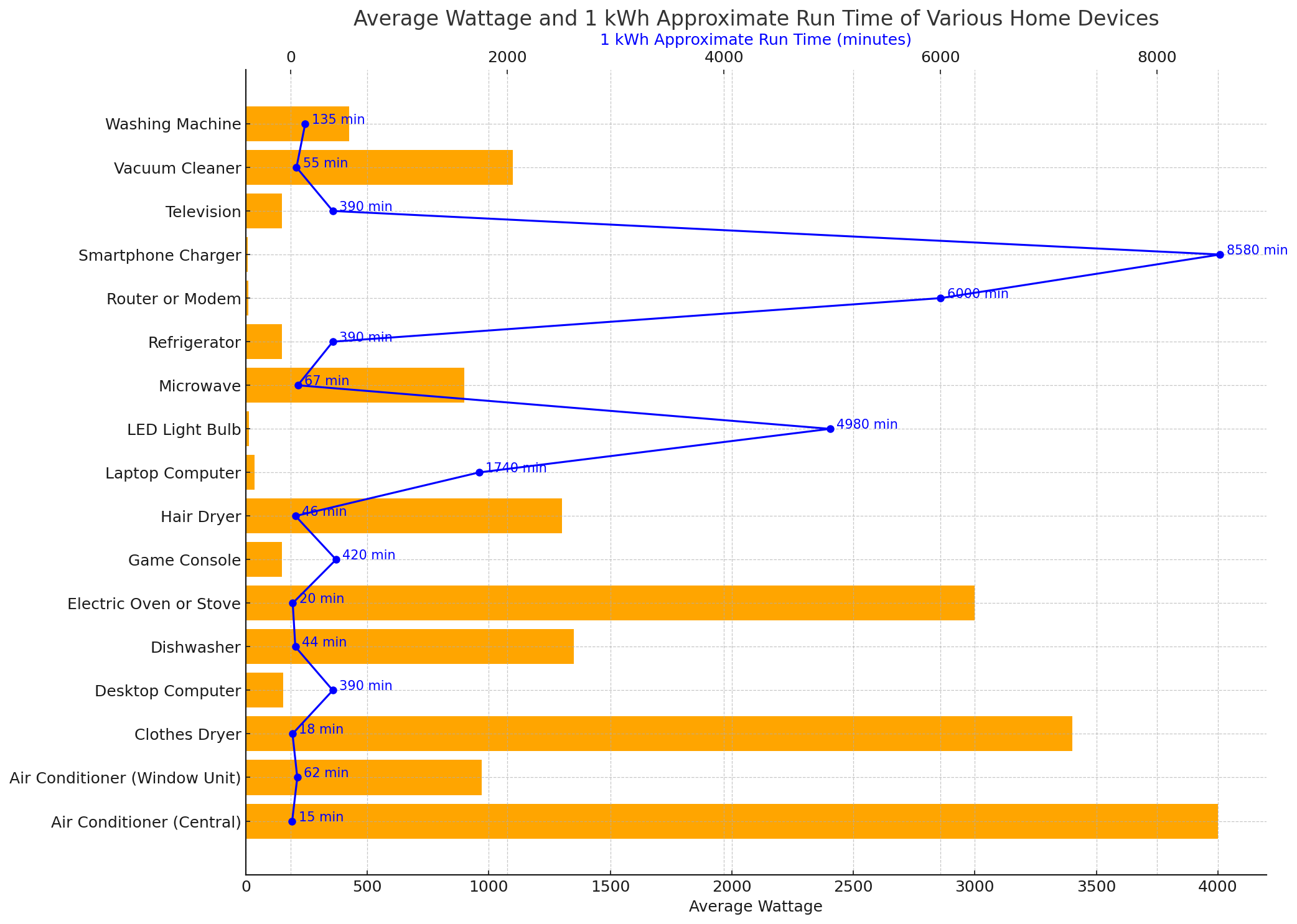
I still remember the first time I really, truly stared at my electricity bill. Not just a quick glance at the total, but a full-on, Sherlock Holmes-level investigation. My eyes scanned the lines, looking for some hidden clue, some rogue appliance that had decided to throw a secret disco party while I was out. "What on earth did I do this month?" I mumbled, probably to an unsuspecting houseplant. Turns out, it wasn't a secret disco party, but a rather mundane collection of everyday actions. And that's when the big question hit me: how many kWh does it actually take to run a house?
It’s one of those questions that seems simple until you try to answer it. Kind of like asking "how long is a piece of string?" The answer is, inevitably, "well, it depends!" And oh boy, does it ever depend when we're talking about electricity.
The Mysterious kWh: What Even Is It?
First things first, let's demystify the unit of measurement itself: the kilowatt-hour (kWh). Don't let the fancy name scare you. Think of it like this: if you have an appliance that uses 1,000 watts (which is 1 kilowatt) and you run it for one hour, that’s 1 kWh. Simple, right? Your utility company essentially charges you for how many of these little bundles of energy you consume.
So, How Many kWh to Run Your House? The Grand "It Depends"
Alright, let's dive into the juicy bits. There's no single, magic number that applies to everyone, sadly. If there were, budgeting would be a breeze! Instead, your household’s kWh consumption is a unique cocktail of various factors.
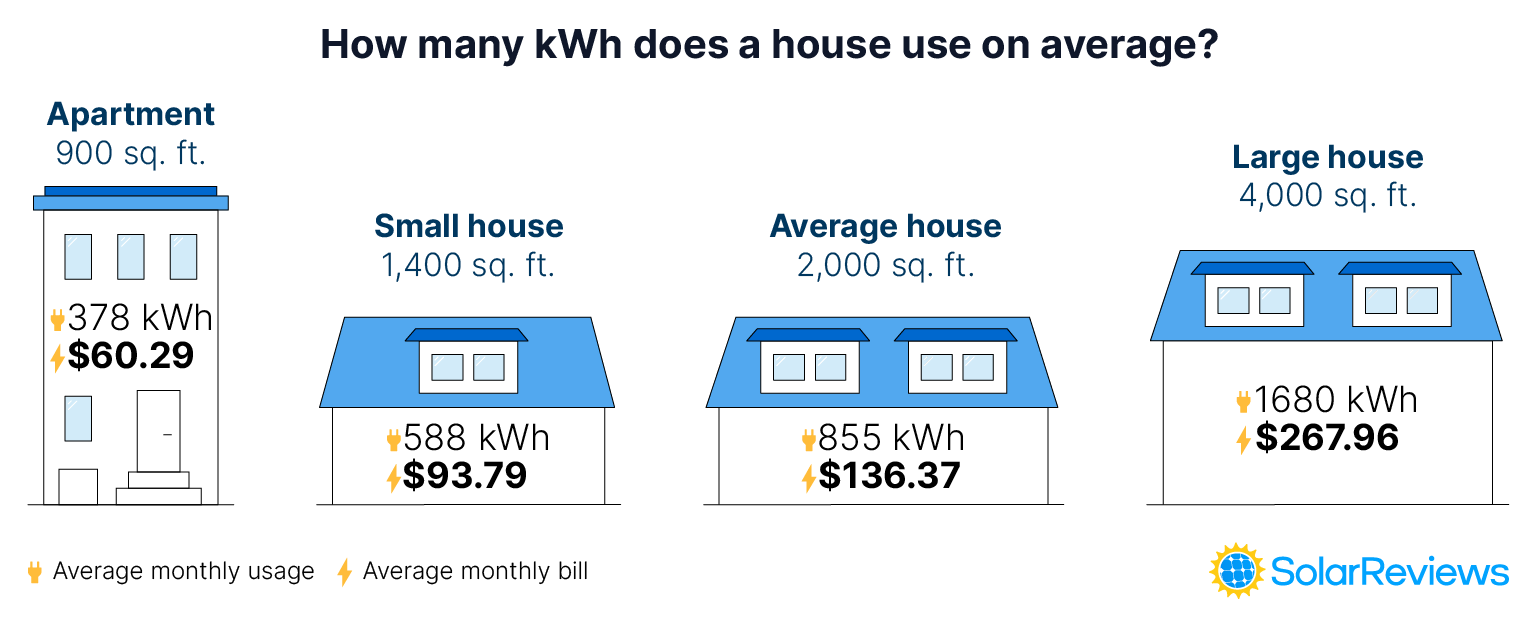
- Size of Your Digs: A tiny studio apartment is going to sip energy compared to a sprawling, multi-story mansion. More space usually means more lights, more rooms to heat or cool, and more gadgets.
- Who Lives There? A single person living alone will naturally use less energy than a bustling family of five, each with their own devices and daily routines.
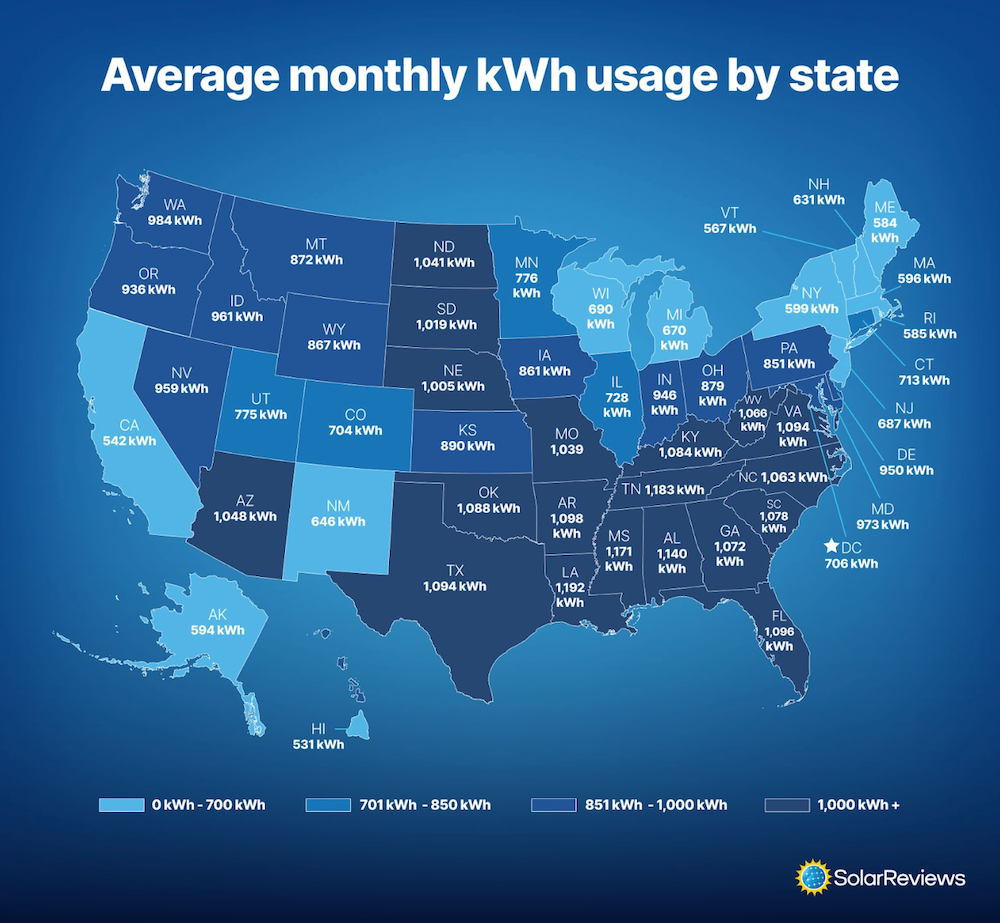
- Climate and Season: This is a HUGE one. Are you blasting the AC all summer because you live in a desert? Or cranking up the heat for months on end in a snowy climate? Heating and cooling are often the biggest energy hogs in any home. Seriously, they're the rock stars of your energy bill.
- Appliance Age and Efficiency: An old, clunky fridge from the 90s is likely sucking down far more energy than a shiny, new Energy Star-rated model. The same goes for your washer, dryer, dishwasher, and even your water heater.
- Your Lifestyle Habits: Do you leave lights on in empty rooms? Take super long, hot showers? Game for hours on a power-hungry PC? These habits accumulate, my friend!
The Average Glimmer: A Starting Point
Okay, okay, I know you want *some* numbers. In the US, for instance, the average household uses roughly 800 to 1,000 kWh per month. But remember, that's an average across a vast range of homes and lifestyles. Your neighbor's bill could be half of yours, or double!
The Usual Suspects: Where Does All That Energy Go?
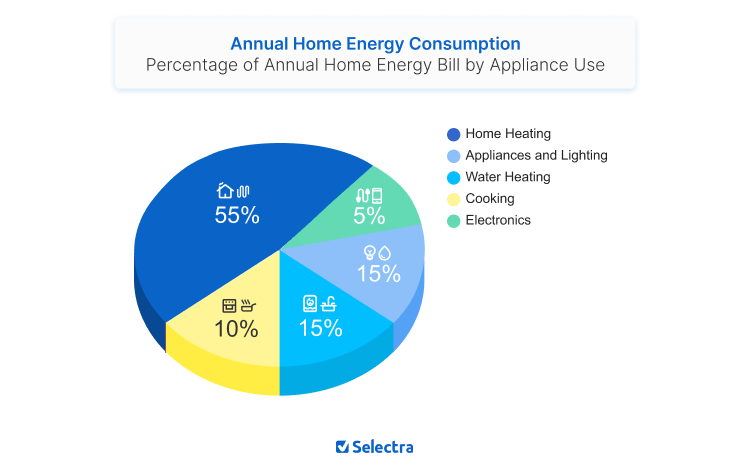
Want to know who's really running up the tab? Here are the usual culprits:
Heating & Cooling (HVAC): As mentioned, this is often the undisputed heavyweight champion, accounting for up to half of your total electricity usage, especially in extreme climates.
Water Heater: Heating water for showers, dishes, and laundry is surprisingly energy-intensive. It's often the second biggest consumer.
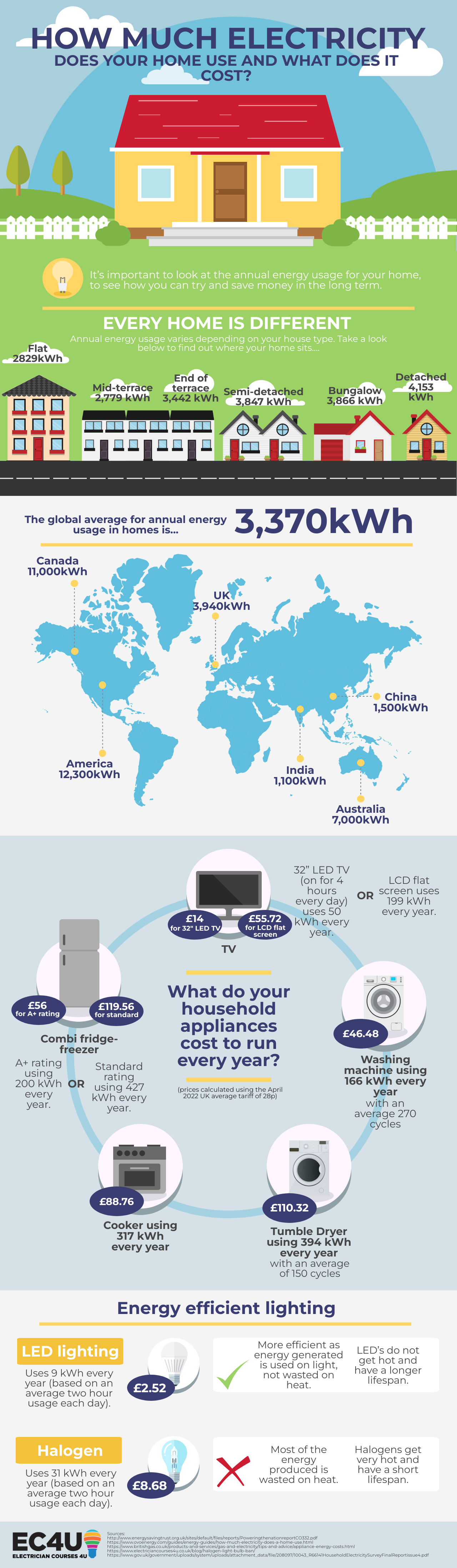
Refrigerator & Freezer: They're always on, keeping your food fresh. Older models are particularly inefficient.
Washer & Dryer: Especially the dryer! It uses a ton of energy to generate heat.
Lighting: While individual bulbs don't use much, having many on for long periods adds up. Switching to LEDs is a game-changer here, trust me.
Electronics: TVs, computers, gaming consoles, chargers (oh, the chargers!). Even when off, many still draw "phantom load" power. Annoying, right?
How to Find Your Number and Take Control!
So, how do you get out of the guessing game and into the knowing game?
Check Your Utility Bill: This is your best friend! Most bills clearly state your kWh usage for the billing period. Many even offer graphs showing your usage over time, which is super helpful for spotting trends.
Smart Home Monitors: Devices like Sense or Emporia Vue can give you real-time data on your entire home's consumption, often even breaking it down by individual appliance. Pretty cool!
Energy Audit: You can hire a professional, or even do a DIY audit. Look for drafts, check insulation, and note the age of your appliances.
Small Changes, Big Impact
Understanding your kWh usage isn't just about satisfying curiosity; it's about empowering you to make smarter choices. Want to lower that bill?
- Unplug "vampire" electronics when not in use.
- Switch to LED bulbs. Seriously, do it.
- Adjust your thermostat a few degrees – warmer in summer, cooler in winter.
- Wash laundry in cold water and air dry when possible.
- Consider upgrading old, inefficient appliances.
Ultimately, how many kWh it takes to run a house is a moving target, unique to you and your abode. But by paying a little more attention, you can go from scratching your head at the bill to feeling pretty smug about your energy wisdom. Happy saving!