Ever stared at your electricity bill and thought, "What even is a kilowatt, and why does my toaster need so many of them?" You're not alone, my friend! It's like trying to understand why your cat needs 18 hours of sleep a day – some things are just a delightful mystery, right?
But fear not! We're going to demystify the mighty kW and figure out how much juice your humble abode actually guzzles. Think of this as our little energy chat, minus the awkward silence and stale coffee.
First, Let's Talk Watts and Kilowatts (It's Not Scary, Promise!)
Okay, let's get the jargon out of the way. Don't worry, there won't be a pop quiz! A watt (W) is a basic unit of electrical power. Think of it as the tiny sips of energy an appliance takes. A 100-watt light bulb, for example, sips 100 watts when it's on.
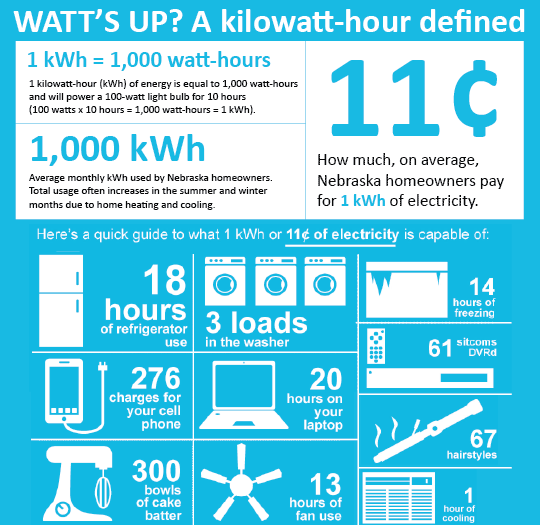
Now, a kilowatt (kW) is just a thousand watts. So, that 100-watt bulb is 0.1 kW. Easy peasy, lemon squeezy! Your utility company mostly talks in kilowatt-hours (kWh) which is how much power you use over time. Imagine a kW is the speed of your energy use, and a kWh is the distance you've traveled at that speed. That's what you pay for!
The Big Question: How Many kW to Power a Home?
Alright, drumroll please! The answer is... it totally depends! (I know, I know, not exactly the magic number you were hoping for, right? But stay with me, it gets better.) Powering a home isn't like buying a specific size of t-shirt; there's no one-size-fits-all kW rating.
Instead, your home has a dynamic power demand. Sometimes it's barely sipping power, and other times it's chugging like a teenager on a milkshake mission. Let's break down what makes your home's power needs unique.
The Usual Suspects: What Affects Your Home's Power Guzzle?
1. Size Matters (Your House, That Is!)
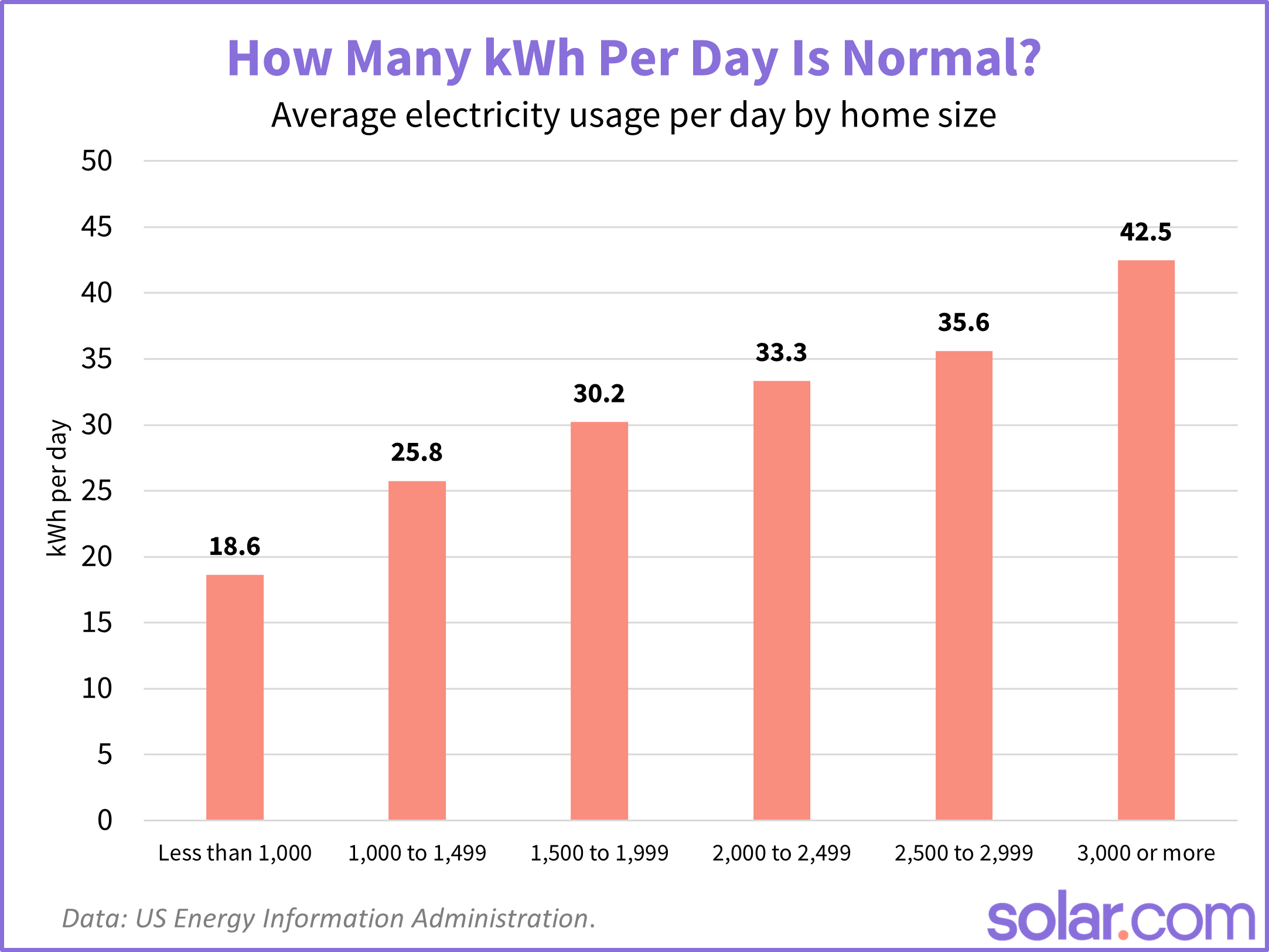
A tiny studio apartment versus a sprawling mansion with a home theater, an indoor pool, and a dedicated room for your pet hamster's disco party? Yeah, the mansion's going to need a tad more power. More square footage generally means more lights, more rooms to heat or cool, and probably more gadgets.
2. Appliance Army (Yours, Not the Robot Uprising Kind)
This is where the magic (and the consumption) happens. Your fridge is a constant low hummer, keeping your snacks cold. But your electric water heater or your central air conditioning? Those are the rock stars, pulling serious amps when they're on. Think of them as the lead singers of your energy band – powerful, but occasionally a bit demanding.
Things like electric ovens, clothes dryers, and electric heating systems are also big players. On the flip side, LED light bulbs and laptops are like the quiet, efficient roadies of your energy concert.
3. Your Lifestyle (Are You a Netflix Binger or a Sun Worshipper?)
Are you a digital nomad glued to your multiple monitors, brewing coffee all day, and binge-watching sci-fi until 3 AM? Or are you a minimalist who reads by natural light and considers unplugging a spiritual journey? Your habits play a huge role.
Using fewer electronics, line-drying clothes, and being mindful of turning things off (not just leaving them on standby, you sly fox!) can make a significant difference.
4. The Great Outdoors (Seasons & Climate)
Live somewhere that feels like a sauna in summer and an icebox in winter? Your HVAC system (heating, ventilation, and air conditioning) is likely your biggest energy hog. Running the AC full blast in July or cranking the heat in January will send your kW demand soaring. In milder climates, your energy needs are often much lower.
So, What's a "Typical" Number? (With a Giant Asterisk!)
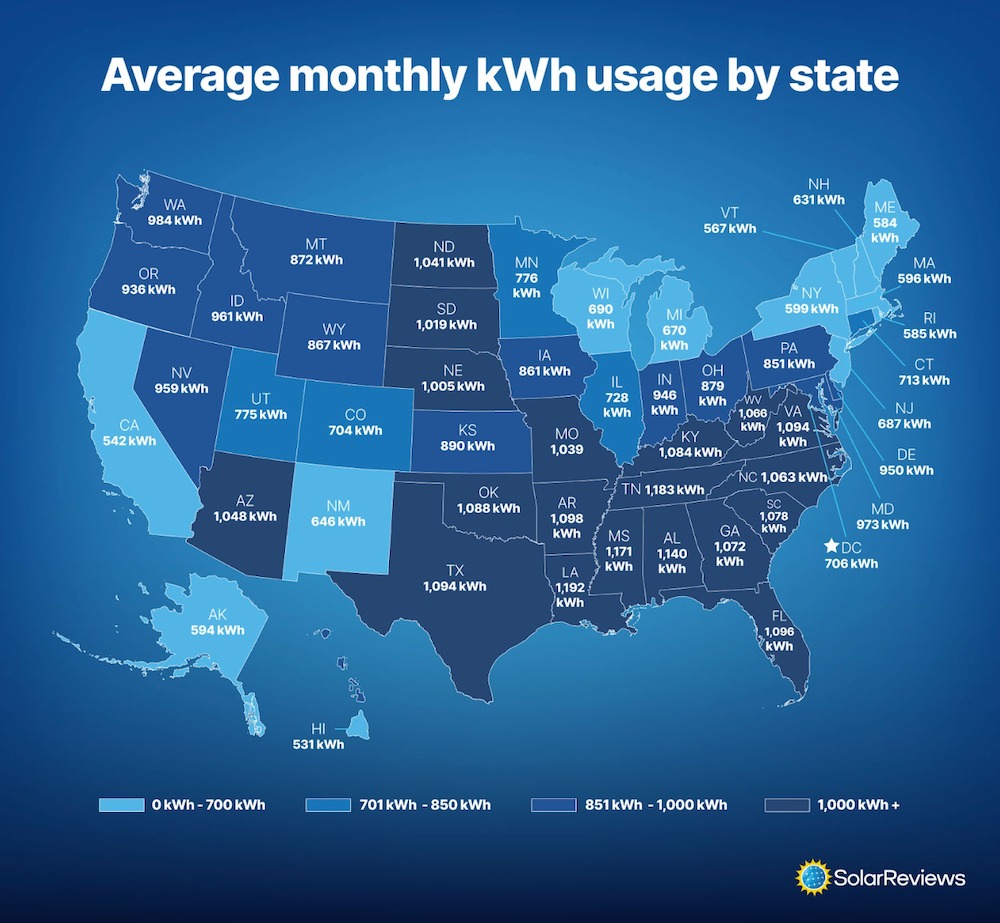
Okay, deep breath. For a typical U.S. home, you might see an average monthly electricity consumption of around 900 kWh. But remember our kW vs kWh chat? If you divide that by, say, 720 hours in a month (30 days * 24 hours), that's roughly 1.25 kW on average for the entire house running constantly.
But that's just an average! Your home's peak demand (when everything is suddenly on – like the AC kicking in while you're cooking dinner and charging your phone) could easily hit 5-10 kW or more for short bursts. It's like saying the average speed of your car is 30 mph, but sometimes you're idling, and sometimes you're hitting the gas on the highway!
How to Find *Your* Number!
The best way to get a real handle on your home's power usage is to look at your utility bill! Most bills will show your monthly kWh consumption. Some even offer detailed breakdowns or online portals where you can track usage daily. Smart meters are also fantastic for real-time insights into your energy habits.
A Little Uplifting Conclusion!
So, there you have it! Understanding your home's power needs isn't about memorizing a magic number, but understanding the rhythm and flow of your daily life. It’s about appreciating the silent hum of convenience that electricity brings, from that perfectly chilled drink in your fridge to the glowing screen that lets you connect with friends (or, ahem, read awesome articles like this one!).
Go forth, my enlightened friend, and may your electrons flow efficiently and your bills be delightfully manageable. You've got the power to understand your power! Keep shining bright!