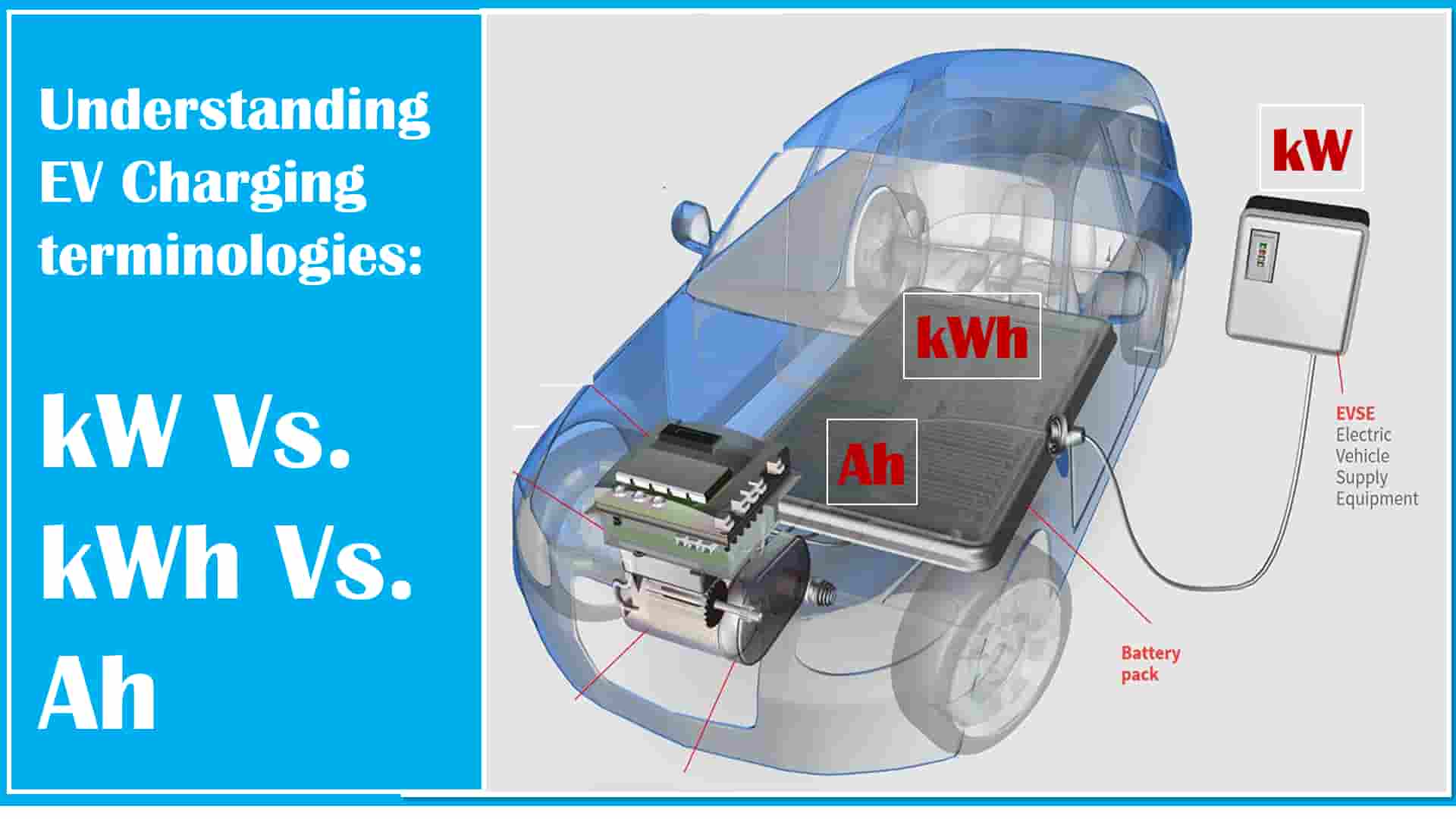
Ever wondered about the secret sauce behind charging your EV? It might seem like a techy jungle out there, but understanding one simple term can truly make you feel like an EV charging guru: kilowatts, or kW. This isn't just a fancy abbreviation; it's the key to unlocking faster charging, smarter planning, and less "range anxiety." This isn't just about numbers; it's about empowering your EV journey, making it smoother, quicker, and more enjoyable.
Think of kW as the horsepower of your charging station. Just as a powerful engine gets you places faster, a higher kW rating means your EV is gobbling up electricity at a quicker pace. Formally, kW measures power – the rate at which energy is delivered. When you see a charger labeled "7 kW" or "50 kW," it tells you how fast it can pump electrons into your car's battery. It's the "flow rate" of electricity, much like liters per minute from a fuel pump.
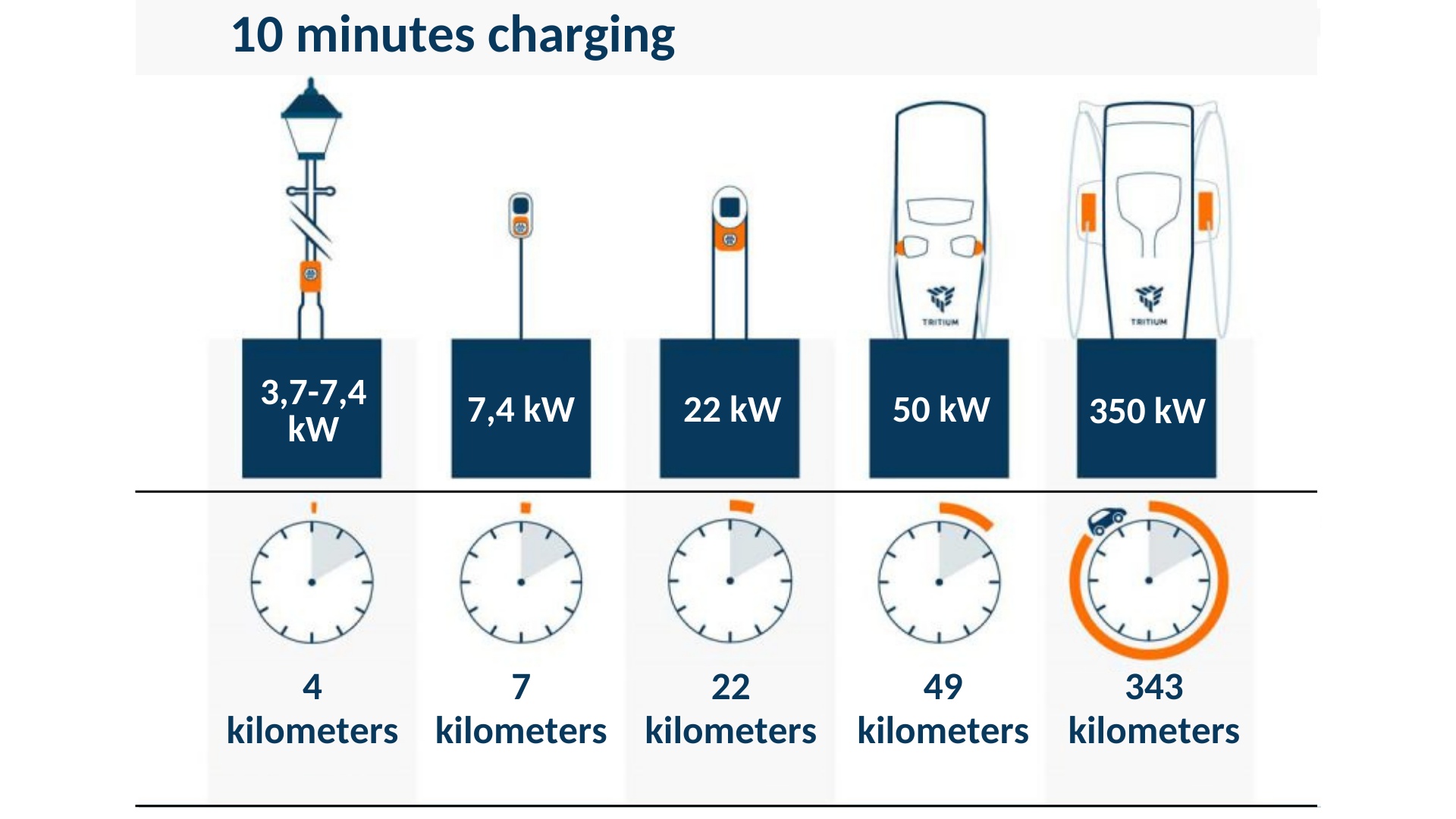
So, why is knowing "how many kW" so useful? For starters, it directly impacts how long you'll be waiting. At home with a standard wall outlet (Level 1 charging), you're looking at around 1.4 kW. This is super slow – perfect for an overnight trickle charge, but not ideal for a quick top-up. Move up to a common home or public charger (Level 2), and you're typically in the 3.7 kW to 11 kW range. Suddenly, charging times shrink, making it practical for daily commutes or errands.
But the real game-changer? DC Fast Charging (DCFC). These are the big guns you see at highway rest stops or dedicated charging hubs, boasting 50 kW to an astonishing 350 kW or more! Here, understanding kW becomes crucial for road trips. A 50 kW charger gives a substantial boost in 30-60 minutes, while 150 kW or 250 kW can add hundreds of kilometers in less time than a coffee break. Knowing your car’s maximum charging rate and the charger’s output helps you pick the most efficient stop.
Beyond just speed, understanding kW helps you make smarter choices. Is it worth paying more for a 150 kW charger if your car only accepts 100 kW? Probably not for maximum efficiency! Conversely, if you're in a hurry and have a high-capacity EV, seeking out those ultra-fast chargers means less downtime. It allows you to plan your day, your trips, and even your budget more effectively, knowing exactly what kind of charging experience to expect.
In essence, knowing "how many kW to charge an EV" isn't about memorizing complex formulas. It's about gaining a practical understanding of charging speeds, empowering you to navigate the EV world with confidence. It transforms charging from a mysterious chore into a predictable, manageable part of your EV lifestyle. So, next time you plug in, remember the kW – it's your friend in the fast lane of EV ownership!

:max_bytes(200000):strip_icc()/charging-stations-levels-04-f5ca10a8b0354dd28bb59b1c1f004680.jpeg)