Ever caught yourself gazing up at a rooftop, maybe on a sunny drive through a particularly forward-thinking neighborhood, and wondered, "How much solar power does that place actually need?" Or perhaps you've been dreaming of a future where your electricity bill is more of a gentle whisper than a shouting match. Welcome to the club! Going solar is a fantastic journey towards energy independence, but figuring out the perfect size system for your home can feel a bit like trying to solve a puzzle with a lot of moving pieces.
Fear not, fellow sun-seeker! We’re here to demystify the "kW" question with a relaxed, lifestyle-friendly chat. Think of it less as a technical deep dive and more like picking the right size of picnic blanket for your ideal backyard gathering.
Your Energy Appetite: The First Clue
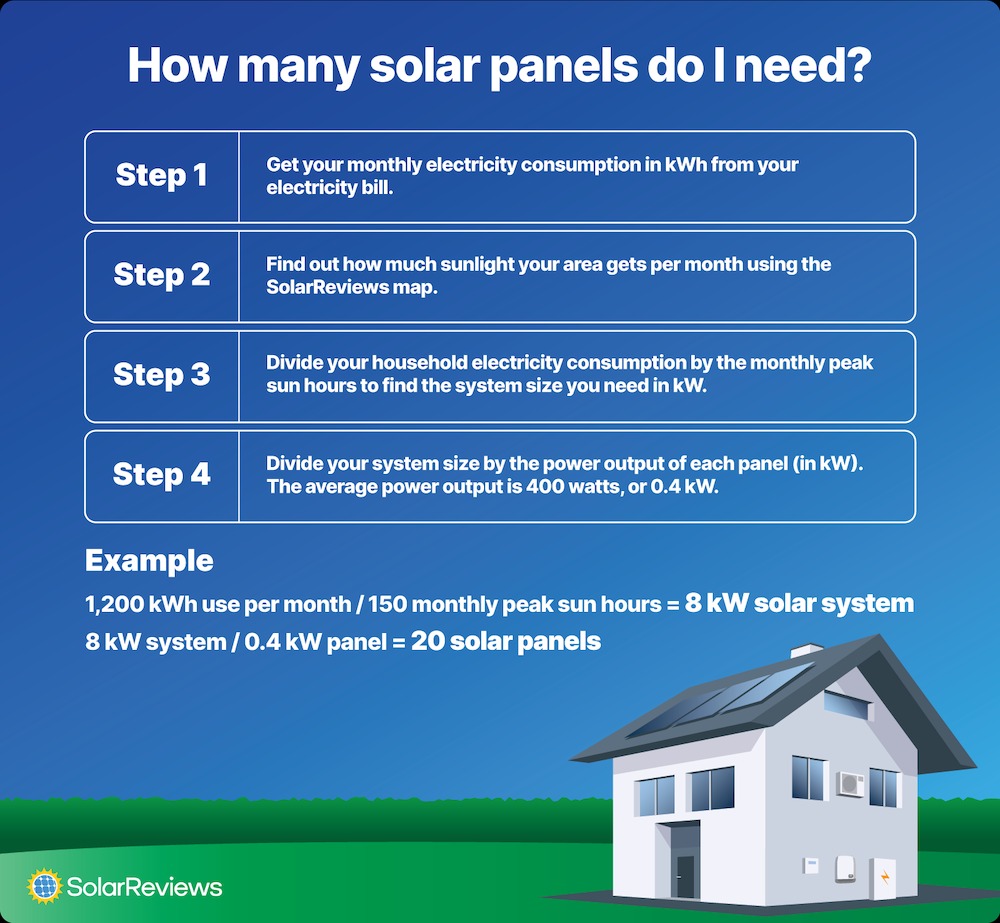
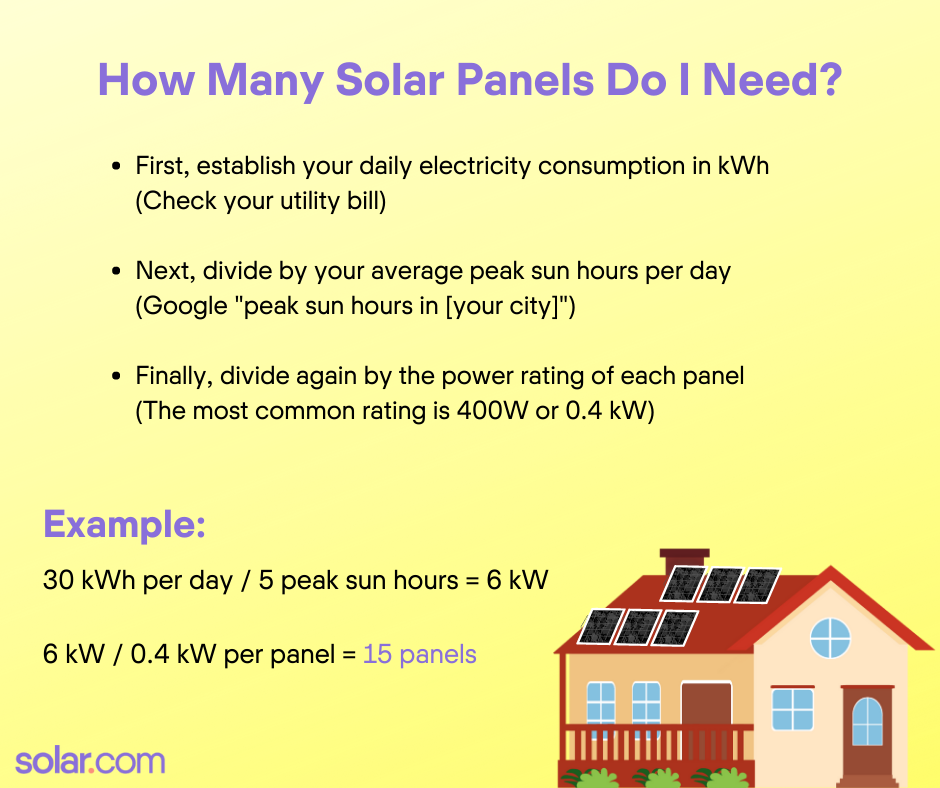
The absolute best starting point for figuring out how many kilowatts (kW) of solar you need is to understand your current energy consumption. Grab your electricity bills – yes, those sometimes-intimidating documents – and become a detective for a moment. Look for the "kWh" (kilowatt-hour) usage. This tells you exactly how much electricity you've used.
Tip: Don't just look at one month! Energy usage fluctuates with seasons. A year's worth of bills will give you the most accurate average. Are you a cozy homebody who rarely turns on the AC, or do you have a bustling household with an electric car, a pool, and a penchant for brightly lit holiday decor? Your energy footprint is unique, like your fingerprint!
For reference, the average U.S. home consumes around 800-1,000 kWh per month. If your number is closer to 500 kWh, you'll need a smaller system. If it's soaring past 1,500 kWh, you're looking at a larger setup. It's all about matching your solar power production to your personal energy appetite.
Sunshine, Shading, and Your Roof's Personality
Not all roofs are created equal when it comes to harnessing the sun's power. Your home's location, the direction your roof faces, and any shading from trees or neighboring buildings play a huge role.
Fun Fact: A south-facing roof with no shading is generally considered the *gold standard* for solar panel placement in the Northern Hemisphere. It's like having a prime beach spot for sunbathing! East and west-facing roofs are also great, often capturing morning and afternoon sun beautifully, which can align well with typical household energy usage patterns.
The amount of *peak sun hours* your area receives also matters. While California might boast 5-6 peak sun hours daily, a cloudier region might only see 3-4. This directly impacts how much energy a given solar panel can produce. A professional solar installer will use specialized software to map your roof and calculate its solar potential down to the square inch. It’s pretty futuristic stuff!
Future-Proofing Your Power: Thinking Ahead
This is where the lifestyle element really kicks in! Are you planning to add an electric vehicle (EV) to your garage in the next few years? Thinking of swapping out that old gas furnace for a super-efficient heat pump? Or perhaps that long-dreamed-of hot tub is finally on the horizon? These additions significantly increase your electricity consumption.
Practical Tip: It's often more cost-effective in the long run to slightly *oversize* your solar system now than to add more panels later. Think of it as investing in future you – the one who drives an EV charged solely by sunshine!
Having a little extra capacity gives you flexibility and peace of mind. Plus, with the increasing efficiency of modern solar panels, even a smaller roof footprint can pack a serious punch.
So, How Many kW for My House, Really?
Alright, let's get to some rough numbers. While every home is unique, here’s a simplified way to think about it:
- A home using around 500-700 kWh/month might need a 4-5 kW system.
- A typical home using 800-1000 kWh/month often falls into the 6-8 kW system range.
- Larger homes or those with higher energy demands (EVs, pools) consuming 1200+ kWh/month could be looking at an 8 kW system or larger.
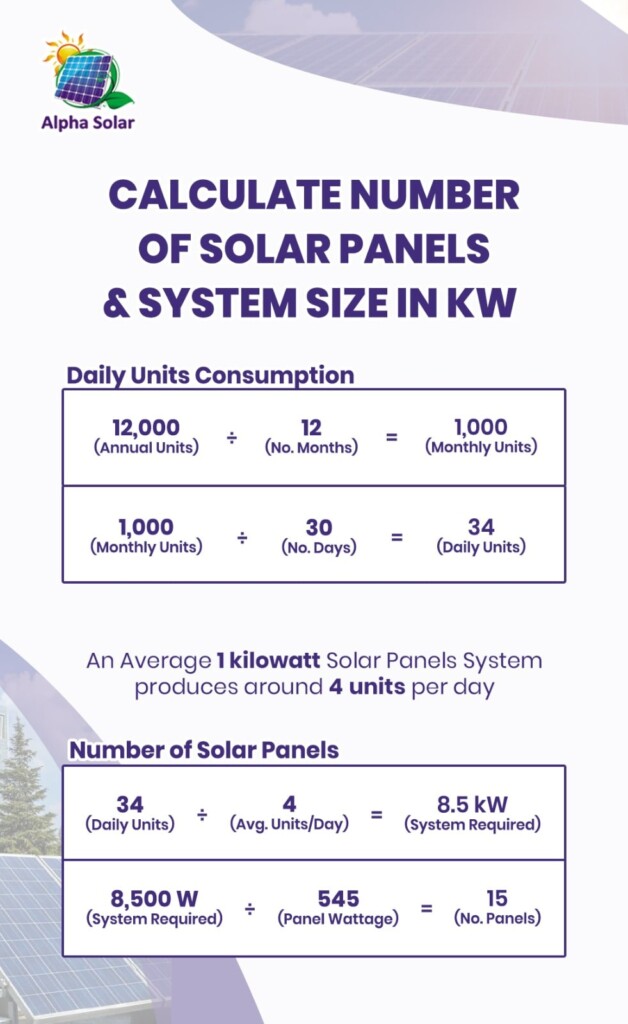
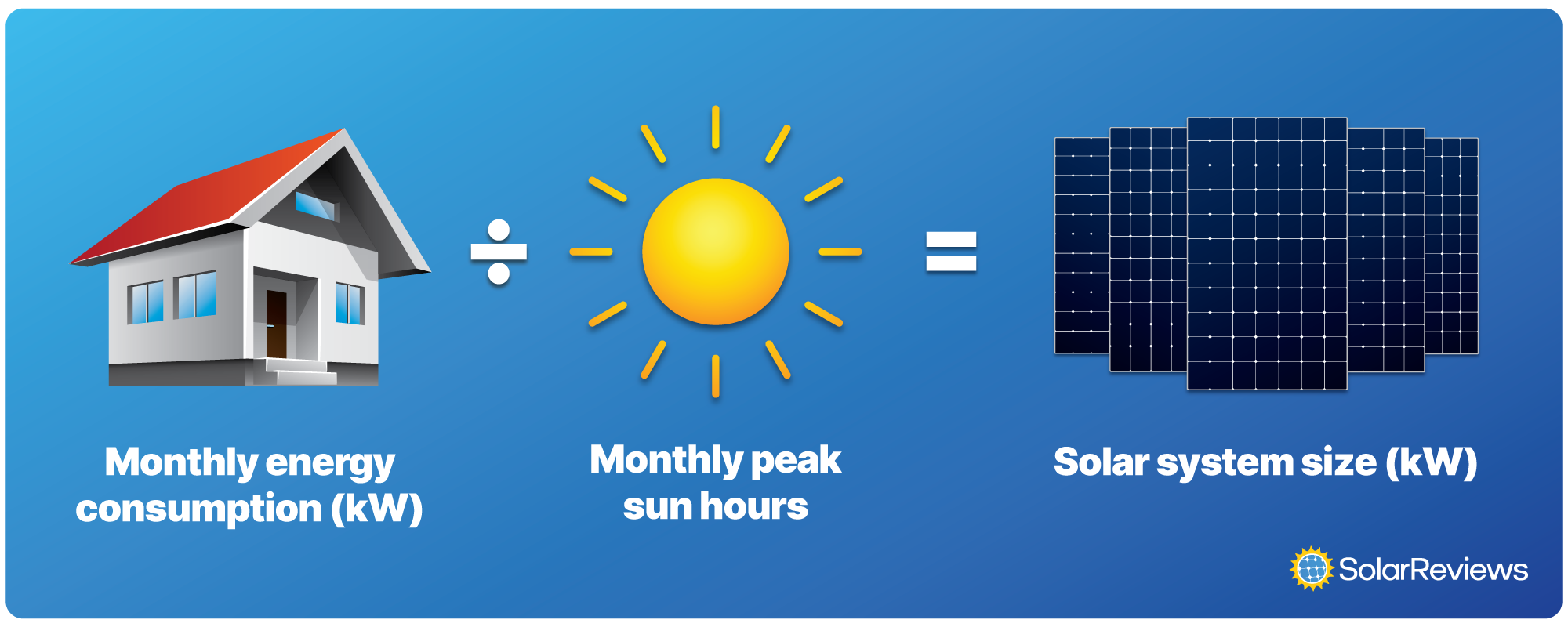
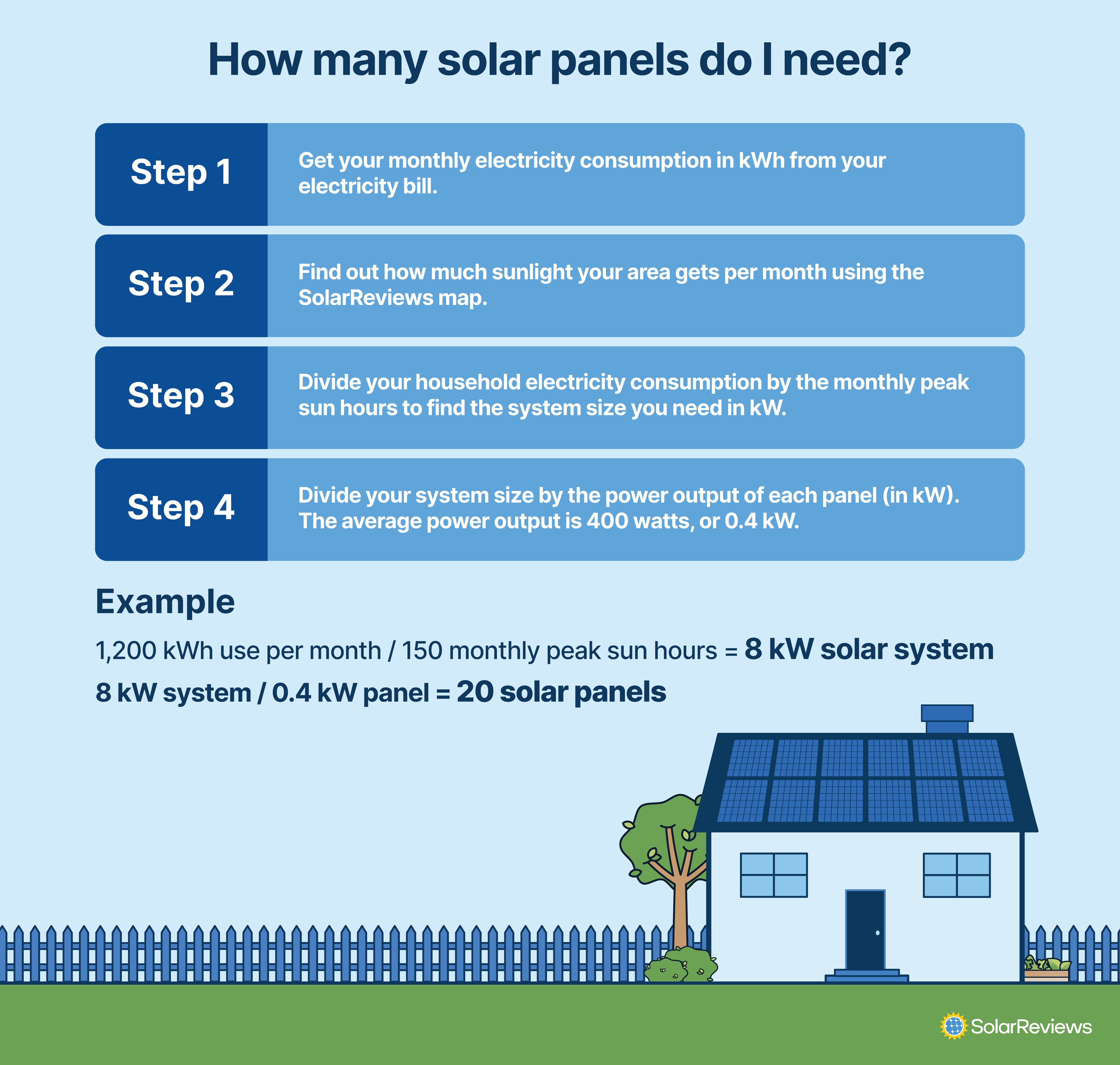
These are just ballpark figures! A good rule of thumb is that 1 kW of solar capacity generally produces between 120-150 kWh per month, depending on your sun exposure. So, if you use 900 kWh/month, you might need a system that produces 900 kWh, which would be roughly 6 to 7.5 kW (900 divided by 120 or 150).
The easiest and most accurate way to get a precise answer is to consult with a reputable solar installer. They'll perform a detailed site assessment, analyze your bills, and design a system optimized for your specific needs and roof. They'll also walk you through financing options and any local incentives, making the whole process surprisingly smooth.
The Bigger Picture: Beyond the Numbers
Choosing the right size solar system isn't just about kilowatts; it's about investing in a lifestyle. It's the satisfaction of knowing you're powering your home with clean, renewable energy. It's the quiet hum of an inverter, symbolizing energy independence. It's contributing to a healthier planet, one sunbeam at a time. It’s also about increasing your home's value and showing off your smart-home credentials!
In a world where we're increasingly conscious of our impact, going solar is a wonderfully practical step towards a sustainable future. So, take that first step: check your bills, dream about your energy future, and connect with the pros. Soon, you too could be watching your meter spin backward, powered by your very own personal sunshine factory. How cool is that?