Ever looked up at that giant fiery orb in the sky and thought, "Man, imagine if I could just... plug into that?" Well, guess what? You totally can! Solar power isn't some futuristic sci-fi dream anymore; it's a very real, very cool way to power your home. But then comes the big question, often mumbled with a slightly furrowed brow: "How many kW solar do I actually need?"
Don't worry, it's not nearly as complicated or intimidating as it sounds. Think of it like this: if you're ordering a coffee, do you always get the same size? Probably not, right? Sometimes you need a quick espresso, sometimes a giant venti latte to fuel your day. Solar power is kind of similar – it's all about finding the perfect fit for your unique energy appetite.
Your Home's Energy Signature: The First Clue
The absolute first, most crucial step to figuring out your solar needs is understanding how much energy you already use. This isn't a pop quiz, just a little detective work! Grab your old electricity bills. See those numbers that say kWh (kilowatt-hours)? That's your home's energy fingerprint.
Think of kWh like miles on a car. It tells you how much energy you've consumed over a period, usually a month. Most bills will give you an average monthly usage. If you use, say, 900 kWh a month, that's a good starting point. If you're consistently topping 1,500 kWh, well, you've got a bigger appetite!
What's a Kilowatt (kW) Anyway? And Why Does It Matter?
Okay, let's demystify "kW" for a sec. A kilowatt (kW) is a measure of power – basically, how much electricity something uses or produces at any given moment. Think of it like the speed of a car. A 5 kW solar system is like a car that can produce 5 "units" of power at max throttle. A 10 kW system is like a more powerful car, capable of producing 10 "units."
The more kW a solar system has, the more power it can generate from the sun. Your goal is to match that generation capacity (kW) with your consumption (kWh) as closely as possible, considering how much sun your roof gets!
Beyond Your Bills: Other Cool Factors to Consider
Your past usage is a fantastic baseline, but there are other fun variables to toss into the mix, making your solar puzzle even more interesting:
- Where You Live Matters (A Lot!): Are you in sunny Arizona, basking in glorious sunshine most of the year? Or perhaps the Pacific Northwest, where clouds make frequent appearances? The amount of direct sunlight your roof receives directly impacts how many hours your solar panels are actively generating power. A 5 kW system in Phoenix will produce a lot more electricity than the same 5 kW system in Seattle over a year. It's just simple math and sunshine!
- Your Roof's Real Estate: Do you have a sprawling, unobstructed roof facing south? Or a smaller, shadier roof with lots of vents and chimneys? The physical space available on your roof dictates how many panels you can actually fit. More panels generally mean more kilowatts.
- Future Plans: Are you thinking about buying an electric vehicle (EV) soon? Planning to add a hot tub or a new central AC unit? These additions will significantly increase your electricity usage, and it's smart to factor them into your solar system size from the get-go. No one wants to install solar only to realize they need more a year later!
- Your Budget: Of course, budget plays a role. While solar is a fantastic investment, systems come in different sizes and price points. It's about finding the sweet spot between your energy needs, what your roof can hold, and what you're comfortable investing.
Putting It All Together: The Fun Part!
So, how do we combine your kWh usage, local sunshine, roof space, and future plans into a neat kW number? This is where the magic (and a little bit of science) happens.
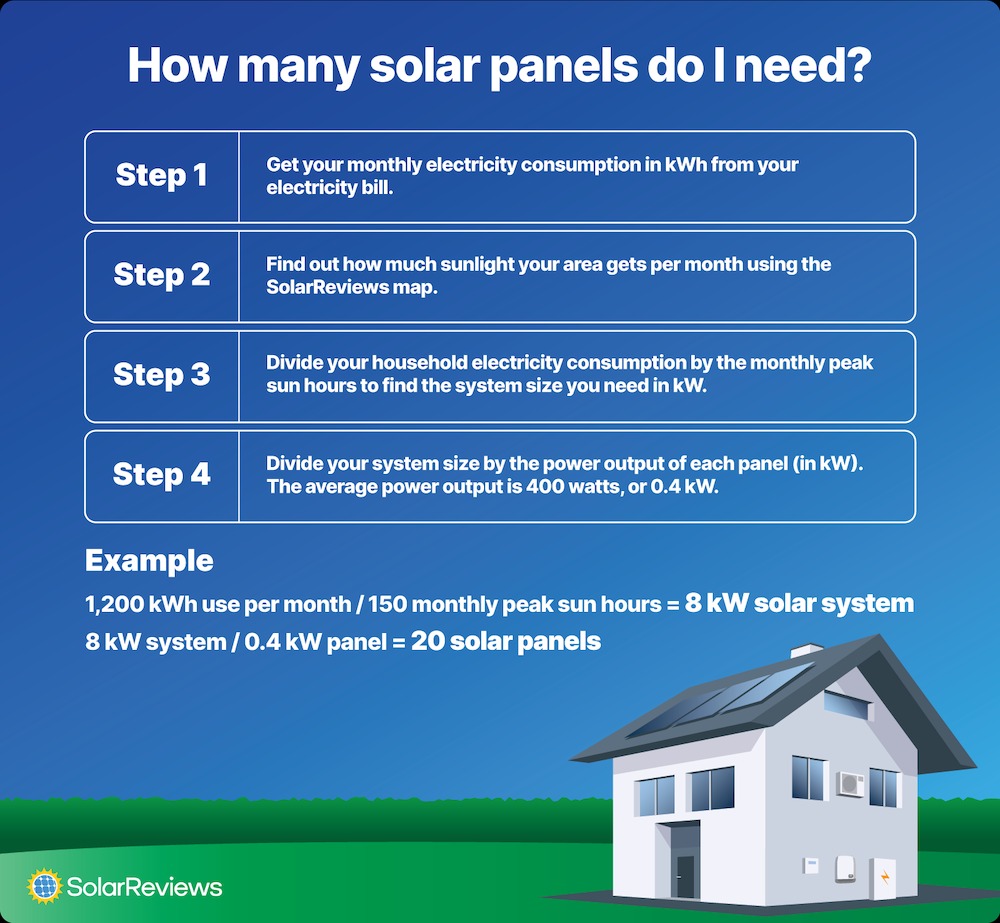
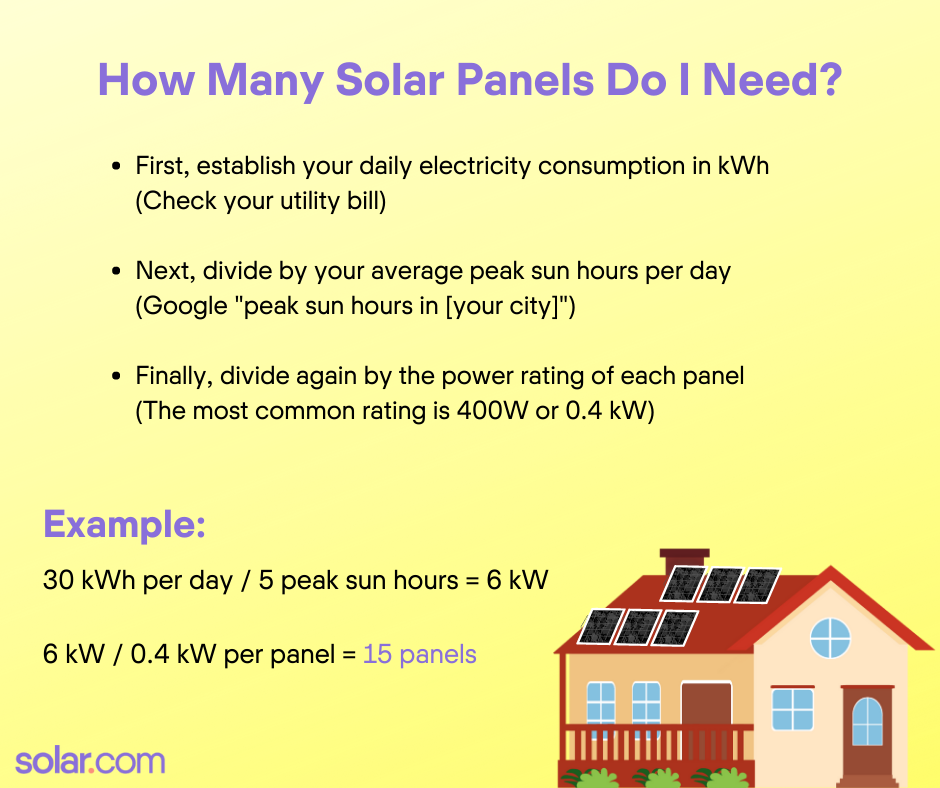
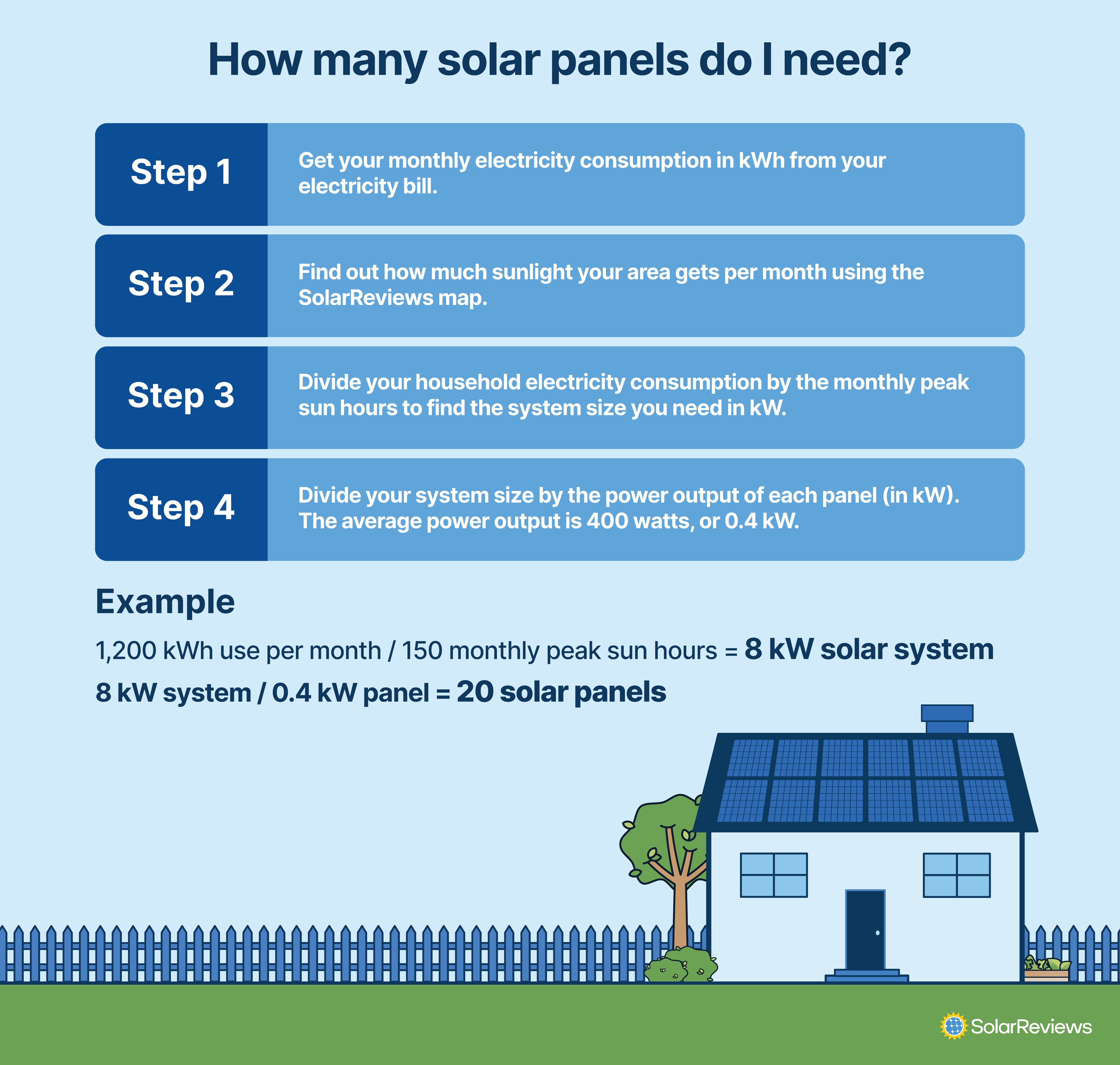
A solar installer will take your average monthly kWh usage, divide it by the average daily sun hours in your area, and factor in things like panel efficiency and system losses. This gives them a good estimate of the total kW of solar panels you'd need to offset your electricity consumption. For example, if you use 1,000 kWh per month and live in an area with 5 peak sun hours per day, you might need a system in the range of 6-8 kW to cover most of your usage. But again, this is just a very simplified example!
The goal for many homeowners isn't necessarily to become 100% off-grid (though that's super cool too!). Often, it's about significantly reducing or even eliminating their monthly electricity bill, locking in predictable energy costs, and enjoying the immense satisfaction of knowing your home is powered by the sun.
No Need to Be an Expert (That's What Pros Are For!)
Feeling a little overwhelmed by numbers? Don't be! This isn't a DIY project for your first rodeo. The coolest thing is that you don't have to figure all this out alone. Reputable solar companies have energy experts who do this calculation every single day. They'll look at your bills, assess your roof with specialized software (no climbing required!), and give you a detailed proposal tailored specifically to your home. They're like energy chefs, cooking up the perfect solar recipe just for you!
So, while the question "How many kW solar do I need?" is a great starting point for curiosity, remember that the journey to solar power is surprisingly simple and incredibly rewarding. It’s about harnessing that incredible, free energy source above us and making your home smarter, greener, and more independent. Isn't that just awesome?